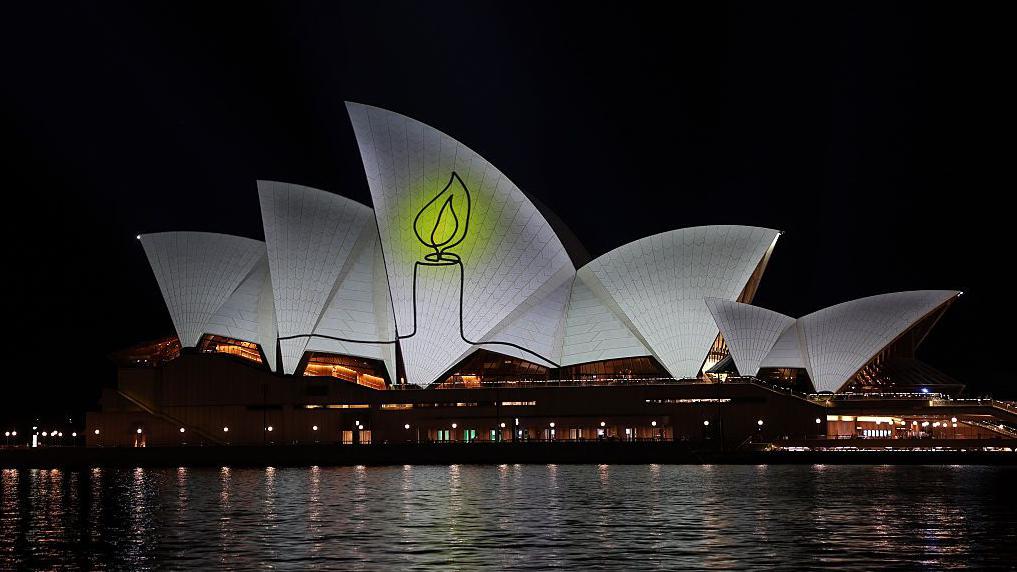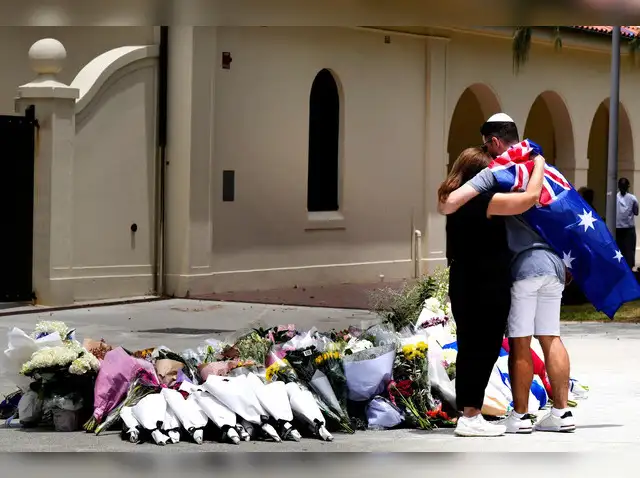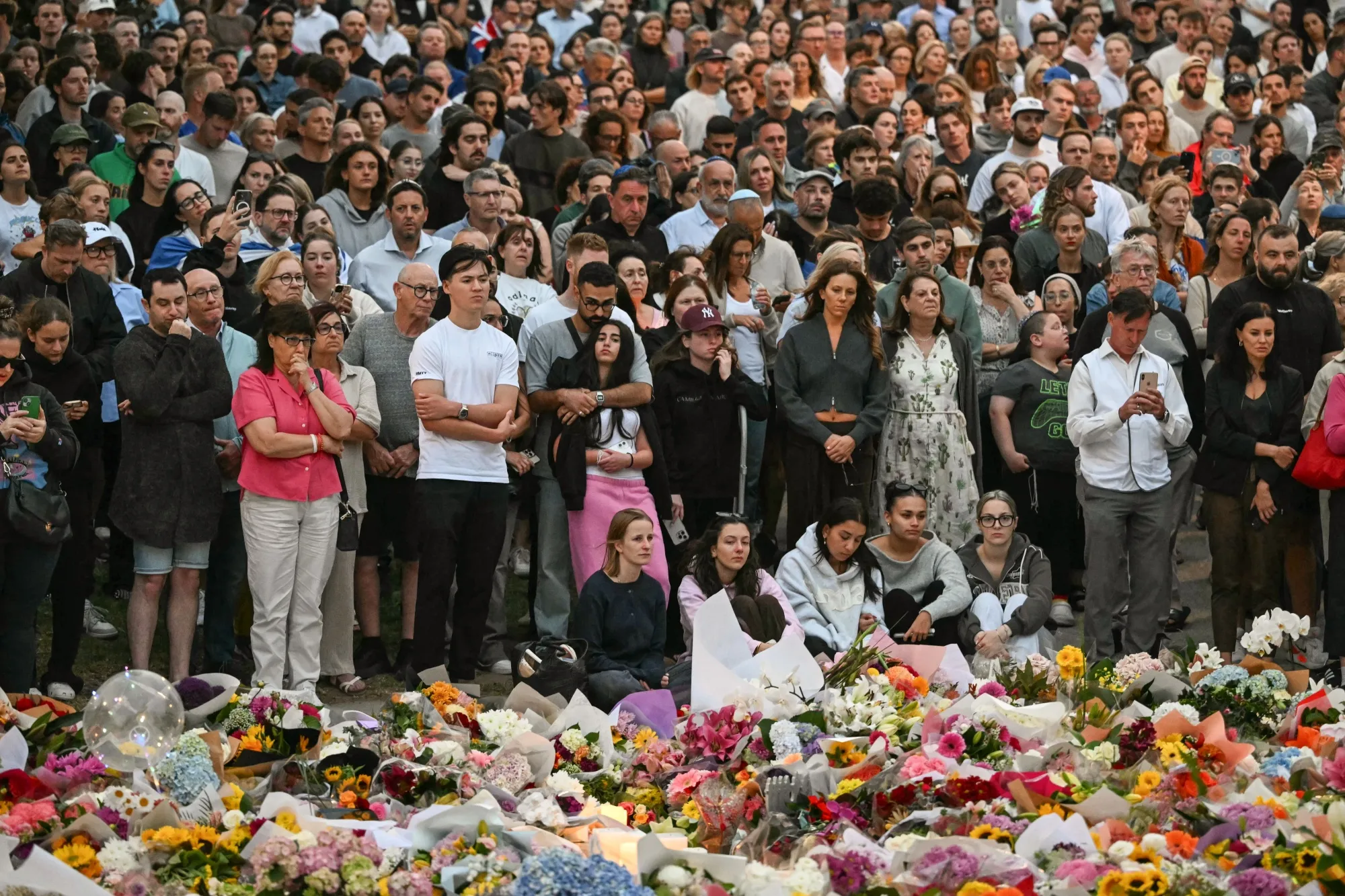
On December 14, 2025, a tragic mass shooting occurred at Bondi Beach in Sydney during a Hanukkah celebration organized by the local Jewish community. Two gunmen, identified as father Sajid Akram, aged 50, and his son Naveed Akram, aged 24, opened fire on the gathering, resulting in 15 fatalities and numerous injuries. Authorities have classified the incident as a terrorist act inspired by Islamic State ideology, marking it as Australia’s deadliest mass shooting since the 1996 Port Arthur massacre.


The attack has reignited national discussions on firearm regulations, exposing divisions in political opinion that contrast sharply with the bipartisan unity observed nearly three decades ago. In response to the Port Arthur event, which claimed 35 lives, Australian leaders swiftly implemented stringent measures, including bans on semi-automatic weapons, mandatory licensing, and a large-scale gun buyback program. These reforms have long been regarded as a model for effective gun control, contributing to a significant decline in firearm-related deaths.
Prime Minister Anthony Albanese has proposed enhancements to existing laws, including restrictions on the number and types of firearms an individual may own, the establishment of a national firearms register, expanded background checks incorporating intelligence data, periodic license reviews, and a requirement of Australian citizenship for ownership. Additionally, a government-funded buyback initiative aims to remove surplus and prohibited weapons from circulation. National cabinet discussions have yielded unanimous agreement among state and territory leaders to pursue these reforms promptly.
However, resistance has emerged from certain conservative and populist quarters. The One Nation party, led by Pauline Hanson, has explicitly opposed further restrictions, emphasizing that the issue lies with individuals rather than firearms. Hanson, accompanied by recent recruit Barnaby Joyce—a former National Party member—visited the Bondi memorial site, where they articulated concerns prioritizing counter-terrorism and antisemitism over gun law changes. Some members of the Liberal-National coalition have echoed this sentiment, arguing that the attack represents a security failure rather than a deficiency in current regulations. Rural stakeholders, including farmers and hunters, have expressed apprehension that new limits could impede legitimate activities such as pest control.
Political analysts note that Australia’s cultural and legal context differs markedly from nations with entrenched gun ownership rights. Historically, firearm possession has not been viewed as a fundamental citizenship entitlement, facilitating broader acceptance of regulatory oversight. Public opinion largely supports tighter controls, with recent polls indicating that a majority of Australians favor enhanced measures.
The Bondi incident has also highlighted potential vulnerabilities in licensing processes. Sajid Akram legally owned multiple firearms, despite prior intelligence scrutiny of his son in 2019 related to associations with individuals linked to terrorism. Investigations continue into the attackers’ recent travel to the Philippines and possible training activities.
As funerals for victims proceed and the community mourns, the debate underscores evolving political dynamics. Populist influences have gained traction amid concerns over immigration, crime, and cultural issues, challenging longstanding policy consensus. While bipartisan support for reforms appears feasible in some areas, opposition from right-wing elements may complicate implementation.
Australia’s response to this tragedy will likely shape future approaches to public safety, balancing the need to address radicalization and hate-motivated violence with practical firearm management. The government’s commitment to tackling both the motivations behind such acts and the means employed reflects a comprehensive strategy aimed at preventing recurrence.
Discover more from AMERICA NEWS WORLD
Subscribe to get the latest posts sent to your email.




![Smoke rises after Israeli strikes in Beirut's southern suburbs, on March 2 [Mohamad Azakir/Reuters]](https://america112.com/wp-content/uploads/2026/03/hgh.webp)