By Suraj Karowa/ ANW January 27 2026

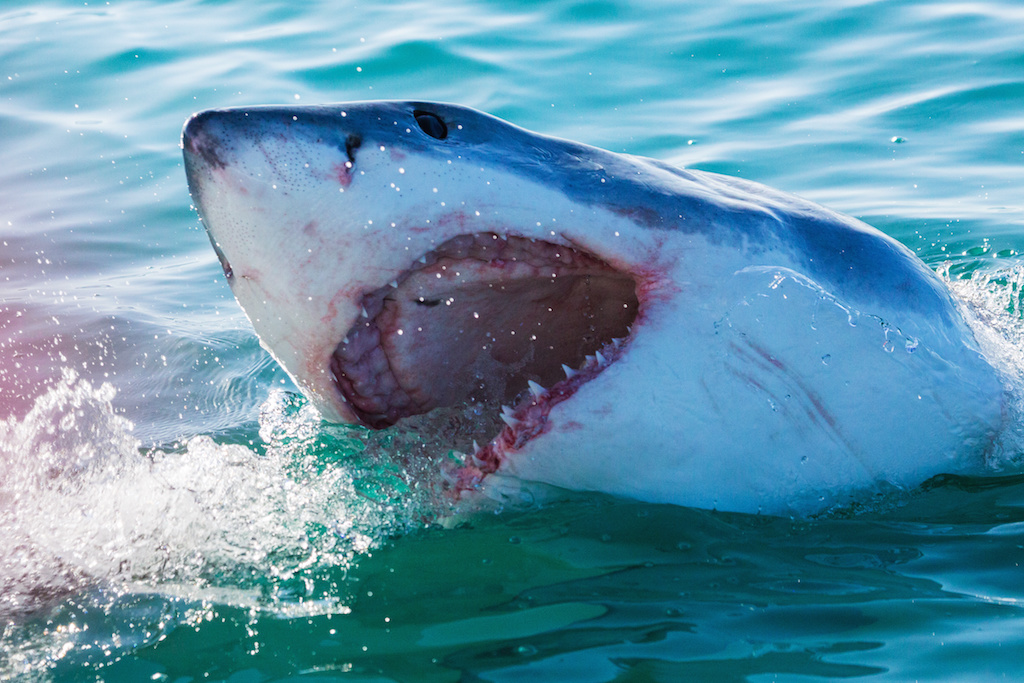
There are manifold reasons why recorded shark encounters are rising in Australia’s oceans – but fatalities are relatively rare.
In an unprecedented flurry, four shark encounters struck Australia’s east coast within 48 hours, sparking beach closures, public panic, and renewed debates over shark safety.
The incidents, clustered unusually close in time and space, have experts pointing not to aggressive sharks, but to a rare convergence of environmental factors turning popular beaches into high-risk zones.
The nightmare began on January 18, when a 12-year-old boy suffered fatal injuries while swimming in Sydney Harbour.
The next day, an 11-year-old’s surfboard was bitten at Dee Why Beach. Hours later, a man was critically mauled nearby at Manly Beach.
By January 20, a fourth surfer 300km north sustained a chest wound after a shark rammed his board.
Three of the attacks unfolded within a 15km stretch, all likely involving bull sharks.”This is the tightest cluster I’ve seen in 20 years of research,” said Chris Pepin-Neff, associate professor of public policy at the University of Sydney.

Shark attacks are a tragedy and we should be doing more to address those, but the answers are not drumlines and nets,’ ecologist George Roff says.
Dozens of beaches shut down amid the chaos, with calls surging for shark culls using nets or baited drumlines.
Yet scientists urge calm, insisting the real culprits are conditions in the water, not the predators themselves.
A Rain-Fueled ‘Perfect Storm’Heavy rains – the wettest January day in Sydney for 38 years, dumping 127mm in 24 hours – set the stage.
Freshwater flooded rivers and estuaries, creating brackish conditions bull sharks crave.
“Most sharks avoid this mix, but bull sharks thrive in it,” explained Rebecca Olive, senior research fellow at RMIT University.
“They flock to river mouths, and the runoff likely carried sewage and nutrients, luring baitfish schools to the surface.
“Pepin-Neff dubbed it a “biodiversity explosion”: baitfish near shore draw bull sharks into shallow waters frequented by swimmers and surfers. “Everyone’s in the near-shore zone – that’s when problems arise,” he said.
No evidence suggests sharks targeted humans; these were likely cases of mistaken identity amid murky, fish-filled waters.Are Attacks Really Rising?Australia logs 20-25 shark bites annually now, up from 8-10 in the 1990s.
But experts attribute this to human trends, not shark aggression. Coastal populations have boomed, water sports exploded in popularity, and thicker wetsuits let people linger longer in the ocean.
Better reporting, drone surveillance, and media hype amplify visibility.”Encounters have increased with participation, but the bite rate hasn’t spiked proportionally,” Pepin-Neff noted.
Olive added, “Millions use these beaches daily – incidents remain rare, fatalities rarer still.” Loose terminology muddies waters too: “sightings,” “bites,” and “attacks” blur into one scary narrative, inflating perceived risk.
Beaches like these were shuttered after the attacks, with signs warning of shark sightings.Culls: A False Sense of Security?Panic has revived cull demands, but data debunks their efficacy.
“Culls comfort politicians and activists, but don’t protect swimmers,” Pepin-Neff said flatly.
Studies from Queensland and New South Wales show drumlines and nets kill thousands of non-target marine animals yearly – turtles, rays, dolphins – with minimal impact on bite rates.
“Kill every shark in Sydney Harbour; if attractants persist, others will migrate in,” he warned.
Olive opposes culls outright: “It’s an illusion of safety in the wild ocean.” Instead, she advocates education on shark behavior and non-lethal deterrents like enclosures or personal gear (magnetic bands, electronic repellents).
Smarter Ways to Stay SafePrevention starts with awareness. Avoid swimming post-rain, when runoff peaks.
Councils should expand shark nets or enclosures at hotspots. Drones and SMART drumlines – which release sharks alive – offer targeted monitoring.
Fundamentally, Aussies must recalibrate ocean attitudes. “Treat beaches like the bush: wild and unpredictable,” Pepin-Neff advised.
“The ocean’s never safe; sharks aren’t always dangerous. We’re in their path, not their menu.”
As beaches reopen, the message resonates: respect the sea’s power. These attacks, tragic as they are, underscore coexistence over conquest.
Discover more from AMERICA NEWS WORLD
Subscribe to get the latest posts sent to your email.














![Smoke rises after Israeli strikes in Beirut's southern suburbs, on March 2 [Mohamad Azakir/Reuters]](https://america112.com/wp-content/uploads/2026/03/hgh.webp)