By_shalini oraon

Tragedy in Tiswadi: Goa Nightclub Fire Exposes Systemic Flaws in Safety Governance
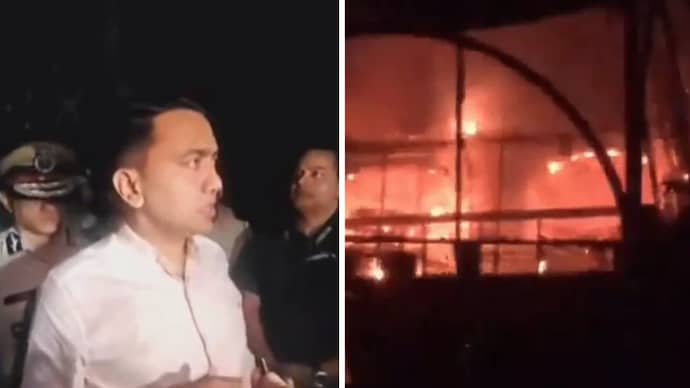
The idyllic beaches and vibrant nightlife of Goa, a cornerstone of its tourism-driven economy, were shrouded in smoke and shock following a devastating fire at a popular nightclub in the Tiswadi area. The incident, which resulted in multiple casualties and injuries, has triggered a swift and severe administrative backlash, leading to four arrests, the suspension of several officials, and the promise of a probe report within a week. This sequence of events, unfolding across ten critical points, reveals not just a tragic accident but a profound systemic failure in safety enforcement and regulatory oversight.
The 10-Point Unfolding of a Crisis
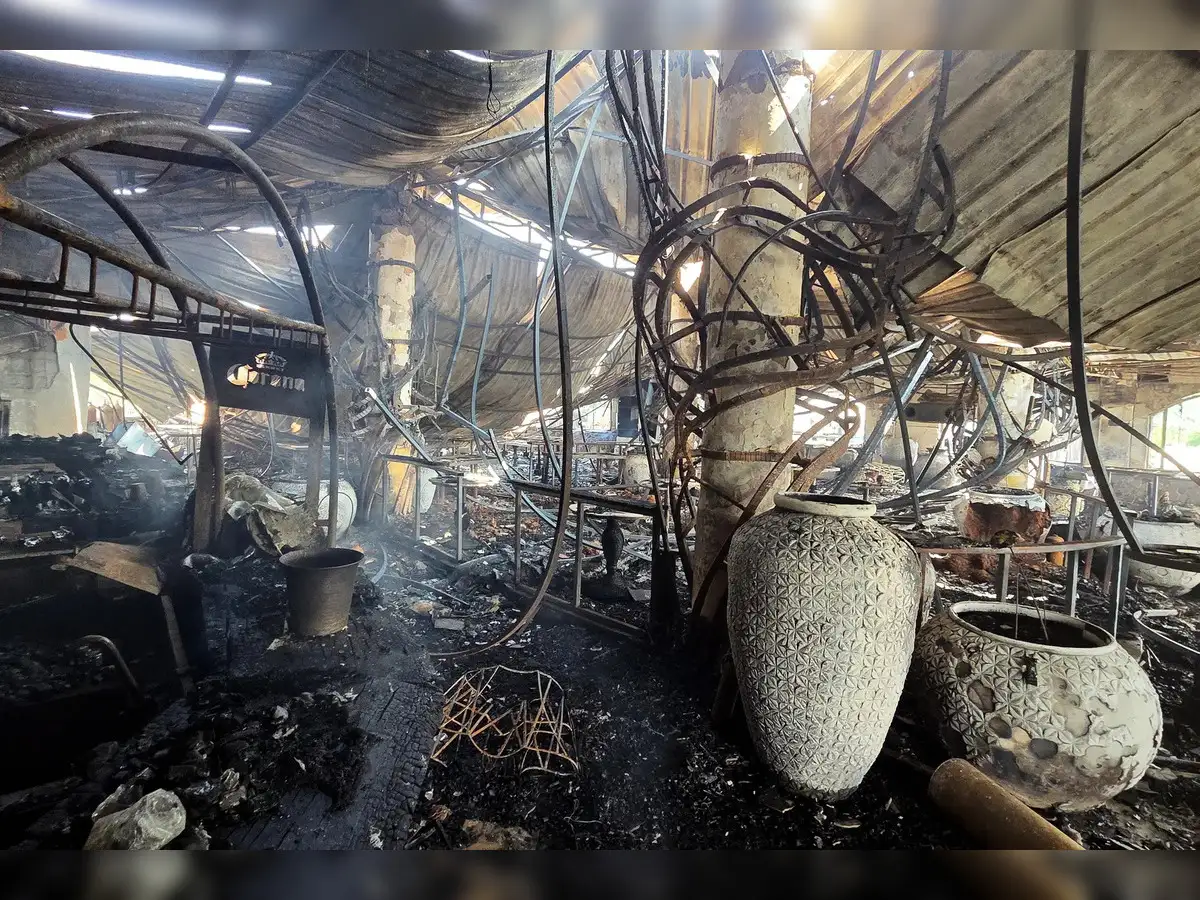
1. The Incident: The fire broke out in the early hours at a nightclub operating within a coastal village of Tiswadi. Preliminary reports suggest the blaze started due to an electrical short circuit, possibly exacerbated by highly flammable interior decor, including low-quality acoustic foam and synthetic materials. The panic was compounded by reports of blocked or insufficient exits.
2. Casualties and Rescue: While the exact number is under scrutiny, the fire led to fatalities and left numerous individuals with burn injuries and smoke inhalation. Patrons and staff faced a chaotic scramble to escape. The quick response of local residents and the subsequent arrival of fire tenders from nearby stations prevented an even greater catastrophe.
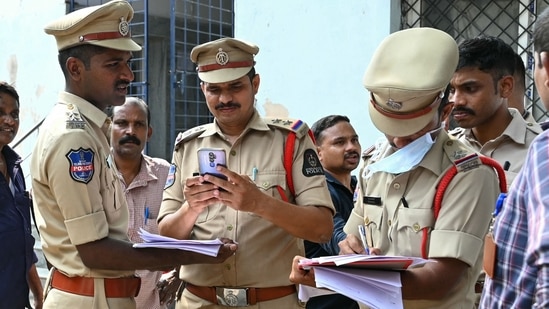
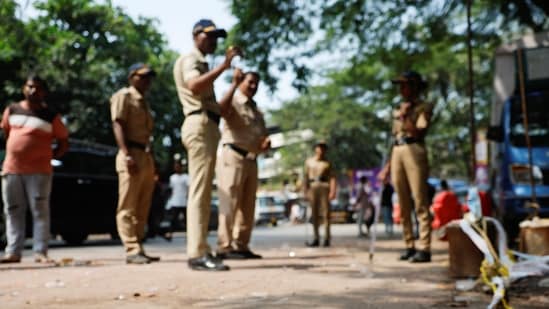
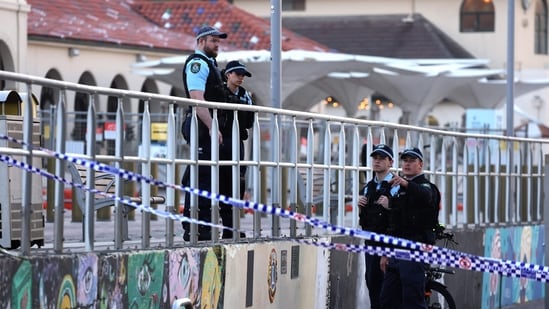
3. Immediate Arrests (The “Four Arrested”): Within 48 hours, law enforcement moved to arrest four key individuals: the nightclub owner, the manager, and two individuals allegedly responsible for the establishment’s electrical and interior work. They have been booked under stringent sections of the Indian Penal Code, including culpable homicide not amounting to murder (Section 304), and sections of the Disaster Management Act.
4. Administrative Suspensions (The “Officials Suspended”): Recognising probable collusion or negligence in the permit regime, the state government suspended officials from the Fire and Emergency Services department and the Tourism Department. These suspensions target those allegedly responsible for granting or renewing the No-Objection Certificates (NOCs) and licenses despite glaring safety violations.
5. The One-Week Probe Promise: A high-level committee, led by a senior bureaucrat, has been constituted with a directive to submit its findings within seven days. This committee is tasked with investigating the cause of the fire, pinpointing lapses in compliance with safety norms, and identifying the chain of administrative accountability.
6. Revealing the Violations: Early inspections post-fire uncovered egregious violations: non-functional fire extinguishers, absent smoke detectors and sprinkler systems, illegally locked emergency exits, and gross overcrowding beyond the sanctioned capacity. The club was allegedly operating with outdated or fraudulently obtained safety clearances.
7. Political Fallout and Assurance: The incident has sparked a political storm, with opposition parties launching severe criticism against the ruling dispensation for a “collapse of governance” and a “tourist-unfriendly environment.” The Chief Minister, while expressing grief, has assured the strictest action and announced a state-wide audit of all hospitality and entertainment venues.
8. Victim Compensation and Medical Care: The government has announced compensation packages for the families of the deceased and for those injured. Major hospitals in Goa and nearby states are providing critical care, with medical costs being borne by the state.
9. The Tourism Angst: The timing is a severe blow to Goa’s tourism industry, which is still recovering from pandemic-era losses. Travel forums and social media are abuzz with concerns about safety, potentially deterring visitors during a crucial season. The industry association has called for transparency and a robust, fair audit to restore confidence.
10. The Long Shadow of Past Incidents: This fire is a grim reminder of similar tragedies in India’s recent past, from the Uphaar Cinema fire in Delhi to the Kamala Mills blaze in Mumbai. Each event followed a familiar script of identified violations, administrative negligence, public outrage, and promises of reform that often lose momentum.
Beyond the Headlines: A System Set Alight
The ten-point narrative underscores a crisis that is both immediate and chronic. The arrests and suspensions are necessary acts of accountability, but they treat the symptoms, not the disease. The disease is a deeply entrenched “license-permit raj” coupled with a culture of complacency.
The routine issuance of safety NOCs without rigorous physical verification points to either corruption or extreme bureaucratic apathy. Fire safety inspections, when they occur, are often reduced to a box-ticking formality. Hospitality establishments, driven by profit maximisation, frequently circumvent regulations by adding illegal extensions, using substandard materials, and ignoring capacity limits, banking on the perceived unlikelihood of a disaster or on their ability to manage inspectors.
The promise of a probe report in one week is a double-edged sword. While it demonstrates urgency, it also raises concerns about the depth of such an expedited investigation. A comprehensive inquiry must go beyond the immediate electrical fault and examine the entire ecosystem of permissions: Did the club have a valid building license? Were annual fire audits conducted and submitted? Did the local municipality ignore unauthorized constructions? A week-long probe may provide initial answers but must be followed by a judicial or commission-led investigation for true, lasting reform.
The Path Forward: From Reactive Punishment to Proactive Prevention
For Goa, and for India, this tragedy must be a watershed. The response cannot end with arrests and a report. It must catalyse systemic change:
· Technology-Driven Transparency: All safety certificates, inspection reports, and occupancy permits for public spaces must be on a publicly accessible online portal with a QR code system for real-time verification by patrons.
· Third-Party Audits: Mandatory, random safety audits by empanelled private agencies, with reports directly submitted to a central state authority, can reduce the scope for local-level collusion.
· Whistleblower Protection: Robust mechanisms for employees and citizens to report safety violations anonymously and without fear of reprisal.
· Strict Liability and Insurance: Hefty, non-negotiable financial penalties and mandatory, substantial public liability insurance for all commercial venues, making safety a direct economic imperative for owners.
· Public Awareness Campaigns: Regular drills and awareness programs for staff and simple, clear signage informing patrons of emergency exits and procedures.
The Tiswadi nightclub fire is a man-made disaster, a direct consequence of choices that prioritised profit over people. The four arrests and suspended officials are the first, rightful steps toward justice. However, the true measure of this tragedy’s legacy will be whether the promised probe in a week ignites a year-long, unwavering commitment to reform. The flames have been doused, but the heat must remain on the system to ensure that the vibrant lights of Goa’s nightlife never again turn into a deadly inferno. The soul of Goa, and the safety of every citizen and visitor, depends on it.
Discover more from AMERICA NEWS WORLD
Subscribe to get the latest posts sent to your email.