By_shalini oraon

—
EXCLUSIVE | Tata Director Admits: Breaking Consensus Got Us Unwelcome Publicity, Gov’t’s Attention
In the rarefied world of Indian corporate titans, the House of Tata has long been synonymous with more than just business success. It has stood as a bastion of ethics, a model of consensus-driven governance, and a institution where the nation’s trust is implicit. That carefully cultivated image, however, has been rattled by a period of intense internal and external scrutiny. Now, in a candid and unprecedented admission, a senior Tata Group director has revealed to this publication that a deliberate departure from the group’s traditional consensus model directly led to a storm of “unwelcome publicity” and the intense, uncomfortable gaze of the government.
The statement, made during a confidential conversation, offers the clearest insider acknowledgment to date that the recent turbulence within the salt-to-software conglomerate was not merely a result of market forces, but a self-inflicted wound stemming from a fundamental shift in its core operating philosophy.
The Sanctity of the Tata Consensus
To understand the gravity of this admission, one must first appreciate the Tata culture. For over a century, the group has been governed by a system often described as a “confederacy of CEOs.” Major strategic decisions, particularly those of a sensitive nature or involving large capital allocations, were not made by fiat. They emerged from a process of extensive deliberation, debate, and eventual agreement among the heads of key companies and the Tata Sons board.
This was not inefficient bureaucracy; it was a protective mechanism. It ensured that diverse viewpoints were heard, that risks were thoroughly vetted, and that the colossal ship of the Tata Group did not lurch suddenly in any one direction. It was a system built by J.R.D. Tata and nurtured by his successors, designed to preserve stability and legacy above all else. As our source, a veteran of numerous such boardroom deliberations, explained, “The consensus model was our shock absorber. It prevented wild oscillations and ensured that when we moved, we moved as one, with a weight that was undeniable.”
The Break: A New Doctrine of Corporate Agility
The shift began subtly several years ago, driven by a new global business reality. The rise of agile tech giants, the pressure for faster decision-making, and a perceived need to take bolder, more aggressive bets created a faction within the leadership that viewed the old consensus model as antiquated.
“The world doesn’t wait for committees to deliberate,” argued a proponent of the new approach, according to our source. “We were missing opportunities, being outmaneuvered by leaner, hungrier players. The ‘Tata way’ was becoming a synonym for being slow and cautious.”
This new doctrine championed a more centralized, decisive style of leadership. The idea was to empower a core executive team to make swift calls, even if it meant bypassing the traditional, time-consuming process of building unanimous support. The intent, at least on the surface, was noble: to inject velocity and a more competitive edge into the 150-year-old institution.
The Unraveling and the “Unwelcome Publicity”
The breaking point came with a series of high-stakes decisions. A major acquisition in the digital realm, pursued with uncharacteristic secrecy, raised eyebrows. A radical strategic pivot for one of its flagship companies was announced without the usual extensive consultations with its long-standing leadership. Whispers of dissent, once confined to the oak-paneled boardrooms of Bombay House, began to leak.
Then came the very public legal and corporate governance battles. The airing of internal disagreements, once unthinkable for Tata, became front-page news. The “unwelcome publicity” the director referred to was a torrent of media reports detailing boardroom schisms, allegations of fiduciary breaches, and very public sparring between former chairmen and the current guard.
“We went from being a case study in governance to a cautionary tale overnight,” the director confessed, his tone somber. “The media feasted on it. Every day, there was a new headline, a new leak, a new accusation. It was a firestorm, and we had poured the gasoline ourselves by abandoning the very processes that kept such conflicts internal and contained.”
The group’s prized reputation, an intangible asset built over generations, was suddenly being quantified in terms of negative column inches and plummeting public perception scores.
The Government’s Unwelcome Attention
Perhaps more damaging than the media circus was the consequence the leadership had not fully anticipated: the keen and concerned attention of the government. The Tata Group is not just any corporate entity; it is a strategic national asset. Its companies are critical to India’s infrastructure, defense, aerospace, and IT sectors. Its stability is inextricably linked to the nation’s economic health.
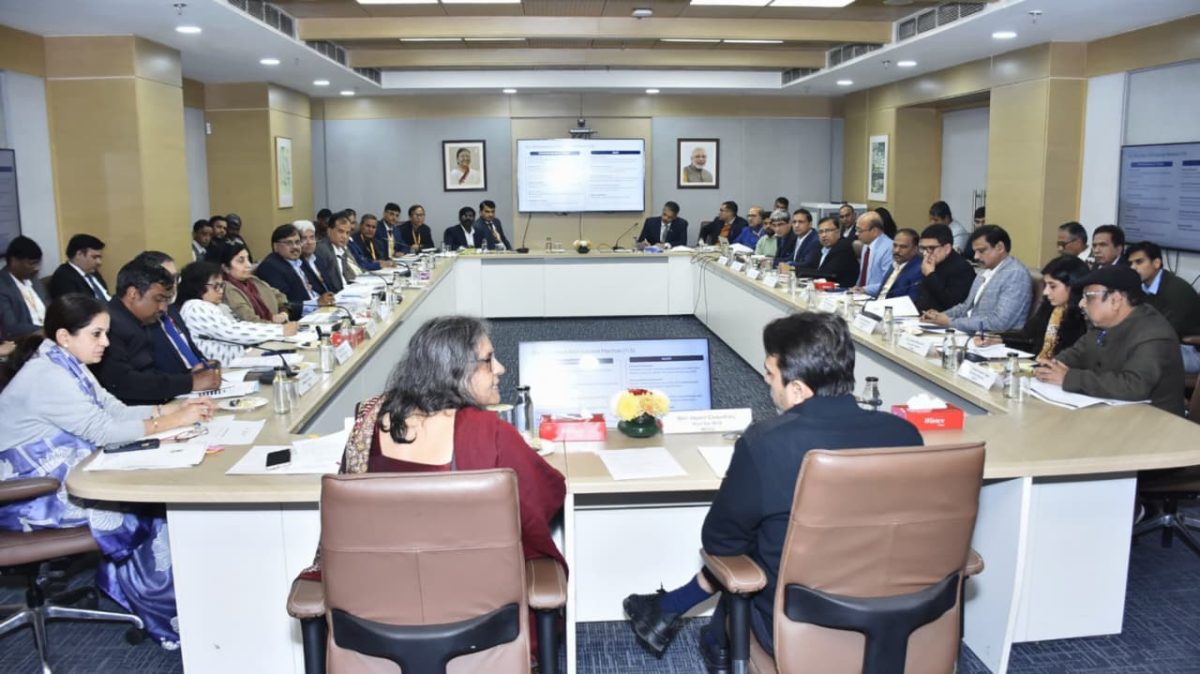
When the public squabbles and governance questions escalated, it inevitably triggered alarm bells in the corridors of power in New Delhi. Regulatory bodies, often content to give Tata a wide berth due to its historical probity, began taking a closer look. Questions were asked in informal meetings. Expressions of “concern” were conveyed from senior ministry officials.
“The government’s attention is a double-edged sword,” the director explained. “While they value our contribution, the moment they perceive instability in a group of our size and importance, they feel compelled to look closer. It’s no longer a private matter. It becomes a matter of national economic interest. We found ourselves having to explain our internal governance to officials, assuring them that the ship was steady. It was a distraction of the highest order and a place we never wanted to be.”
The Reckoning and the Road Ahead
This period of crisis has forced a painful but necessary introspection within the Tata leadership. The director’s admission is a sign that a corrective course is being charted. The allure of autocratic speed is being weighed against the proven resilience of collective wisdom.
The challenge now is to find a new equilibrium. Can the Tata Group evolve a 21st-century governance model that incorporates the necessary agility without jettisoning the consensus principles that ensured its longevity and ethical standing?
The answer, it seems, lies not in choosing one over the other, but in synthesis. The group is now actively exploring ways to streamline decision-making for operational and competitive matters while reinstating the sacred consensus-building process for foundational strategic, ethical, and governance issues.
The admission of error is the first step toward redemption. For the Tata Group, a beacon of Indian industry, the lesson has been searing. In its pursuit of modern speed, it learned the hard way that its old-fashioned consensus was not a shackle, but its most vital anchor. Restoring that anchor, while carefully setting a few new sails, is the delicate task at hand. The nation, and the world, is watching to see if this beloved institution can successfully navigate its way back to calmer waters.
Discover more from AMERICA NEWS WORLD
Subscribe to get the latest posts sent to your email.