By_shalini oraon

_the ECI’s extension of the SIR schedule.
—
A Democratic Reprieve: ECI’s Schedule Extension and the Quest for an Inclusive Voter Roll
In a decision that underscores the immense logistical and philosophical challenge of Indian democracy, the Election Commission of India (ECI) has announced a significant extension to the schedule for the Special Summary Revision (SSR) of electoral rolls. The crucial date for the publication of the final electoral roll has been pushed to February 14, 2025. This move, which delays the process by several weeks, is far more than a mere administrative adjustment; it is a profound commitment to ensuring that the bedrock of the world’s largest democracy—its voter list—is as comprehensive, accurate, and inclusive as humanly possible.
The Special Summary Revision is the ECI’s primary, periodic exercise to clean up, update, and finalize the electoral roll ahead of major elections. Think of it as a nationwide democratic audit. Its objective is to include all new eligible voters (primarily young citizens who have turned 18), remove those who have deceased or become disqualified, and correct any errors in existing entries. The integrity of every election result hinges on the integrity of this list. An inaccurate roll can lead to disenfranchisement, duplication, and legal challenges that undermine public trust in the electoral process.
The “Why”: Unpacking the Rationale Behind the Extension
The ECI’s decision did not emerge in a vacuum. It is a calculated response to a confluence of factors that threatened to compromise the thoroughness of the revision process.
1. The Overwhelming Surge of Young Voters: India has one of the youngest populations in the world, with millions of citizens crossing the 18-year-old threshold every year. The initial schedule for the SSR, which included a draft publication date and a narrow window for claims and objections, was likely proving insufficient to process the deluge of applications from these first-time voters. The extension provides crucial extra weeks for Electoral Registration Officers (EROs) to meticulously verify and enroll these new citizens, ensuring the “demographic dividend” is fully represented in the political process.
2. The Critical Need for Enhanced Purification: The electoral roll is a dynamic entity. Alongside inclusions, the process of deletion—removing duplicate or ineligible entries—is equally vital. This involves cross-referencing data with other government databases, such as the National Death Registry and passport authorities, to identify records of deceased individuals. It also involves addressing the complex issue of “multiple enrollments,” where a single individual may be registered in more than one constituency. This data-intensive purification process is painstaking and time-consuming. The extension grants EROs the necessary time to conduct this due diligence with greater accuracy, thereby strengthening the roll’s credibility.
3. Stakeholder Feedback and Grassroots Mobilization: Following the publication of the draft roll, political parties, civil society organizations, and citizen groups provide feedback, file objections, and highlight discrepancies. The initial timeline may have been too compressed for these stakeholders to conduct a thorough, constituency-wise analysis. The extension allows for more meaningful engagement, enabling parties to scrutinize the draft lists and submit informed claims and objections. Furthermore, it provides extra time for voter awareness campaigns, particularly in remote and marginalized communities, to ensure no eligible voter is left behind due to a lack of information.
The Ripple Effects: Implications of the New Timeline
The shift of the final publication date to February 14 has significant implications for the political landscape and administrative machinery.
· For the Administration (ECI and EROs): This decision is a clear acknowledgment of the practical challenges on the ground. It alleviates the immense pressure on the electoral machinery, allowing for a more methodical and error-free process. Rushed verification leads to mistakes; a deliberate pace fosters accuracy. The ECI has effectively prioritized quality over speed, reinforcing its image as an institution committed to getting the details right, no matter the cost in time.
· For Political Parties: The new calendar fundamentally resets the political clock. It provides parties with an extended period to analyze the draft rolls in detail, identify pockets where their voter base may be under-represented, and launch targeted enrollment drives. This period is crucial for their electoral strategy, as the final roll forms the basis for booth-level management, resource allocation, and campaign planning. The delay also potentially shifts the timeline for the announcement of actual elections, giving parties a clearer picture of the electorate they will be contesting for.
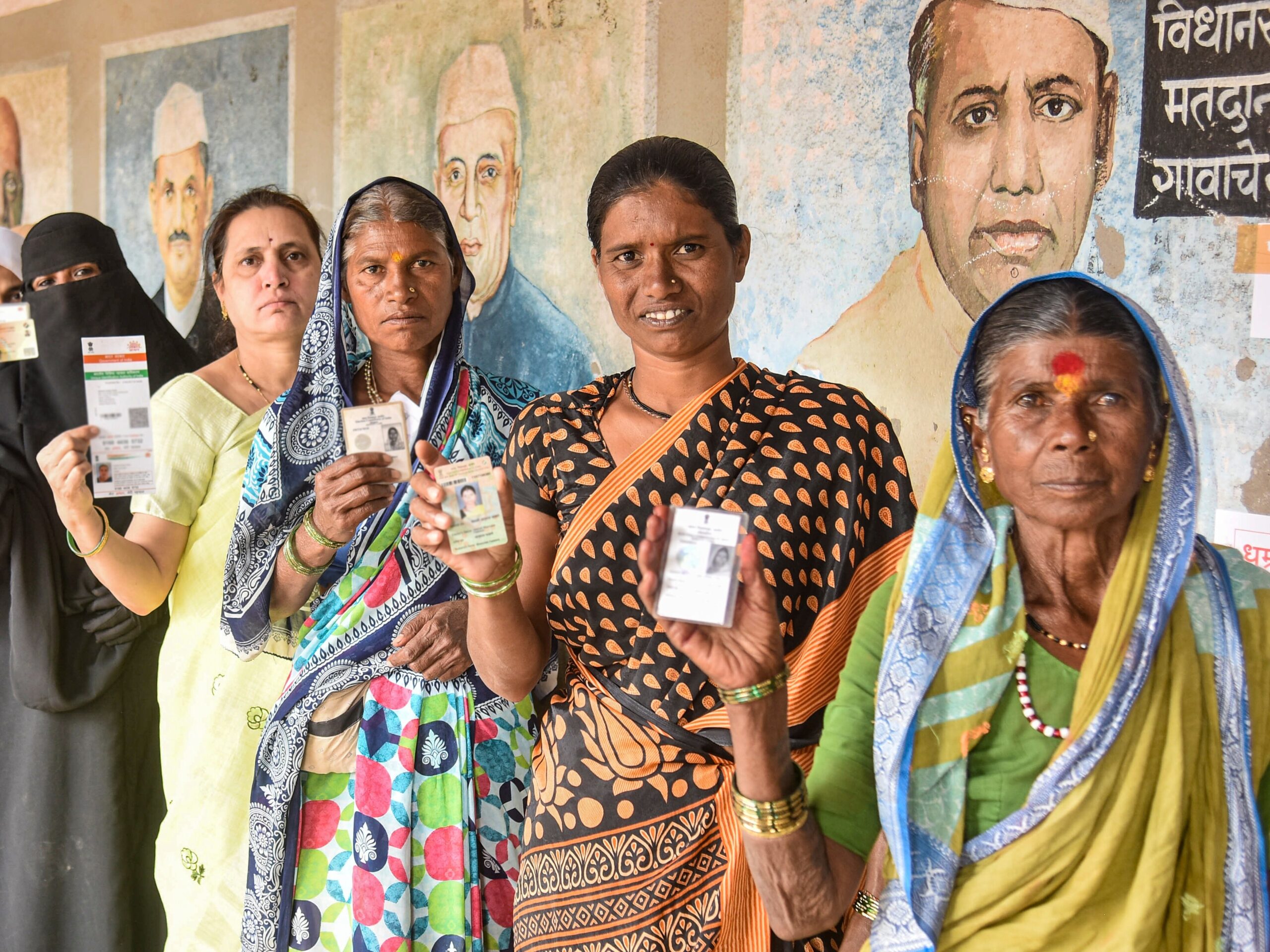
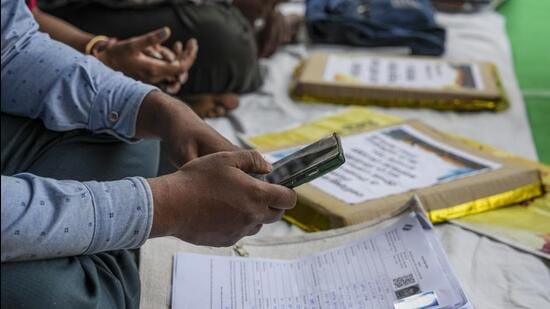
· For the Common Citizen: For the aspiring first-time voter, the extension is a democratic blessing. It offers a longer grace period to navigate the process, whether through the offline Form 6 submission or the online portals like the Voter Helpline App and National Voters’ Service Portal (NVSP). For citizens who discovered errors in their details on the draft roll, it provides a more comfortable window to file for corrections. Ultimately, it reinforces the citizen’s faith that the system is designed to include them, not exclude them through procedural haste.
A Deeper Look: Beyond the Schedule, the Substance
While the extension is the headline, the real story lies in the ongoing evolution of India’s electoral governance. The SSR exercise is no longer just a manual, paper-driven process. It is increasingly powered by technology. The integration with the Aadhaar ecosystem (on a voluntary basis), the use of dedicated software for de-duplication, and the proliferation of digital forms have revolutionized roll management.
The ECI’s decision must be viewed in this context. The extra time will allow for a more robust implementation of these technological tools, leading to a cleaner and more secure roll. It is a step towards realizing the ideal of a single, authentic, and verified identity for every voter on the list.
However, challenges remain. The extension must be leveraged to address the persistent issue of under-representation of certain sections, such as migratory populations, sex workers, and the homeless. The administrative push must be complemented by sustained grassroots mobilization to ensure these “invisible” citizens find their place on the roll.
Conclusion: Valentine’s Day with a Democratic Heart
In a symbolic twist, the final electoral roll will now be published on Valentine’s Day. The date offers a poignant metaphor. What greater expression of love for one’s democracy is there than ensuring every single eligible citizen has the right to shape its future?
The ECI’s extension is not an admission of failure but a declaration of intent. It is a recognition that in a democracy as vast and vibrant as India’s, the process of building a perfect voter list is a continuous journey, not a destination. By choosing to extend the deadline, the Commission has reaffirmed a fundamental principle: that the right to vote is sacrosanct, and the machinery upholding that right must be given the time and resources to function with impeccable integrity. As the nation now looks toward February 14, 2025, the final electoral roll will be more than just a document; it will be a testament to a patient, inclusive, and resilient democratic process.
Discover more from AMERICA NEWS WORLD
Subscribe to get the latest posts sent to your email.