By Manisha Sahu, America News World
November 25, 2025
In a significant escalation in the government’s ongoing push for transparency regarding the Jeffrey Epstein case, the US Justice Department (DOJ) on Monday formally asked a Manhattan federal judge to unseal grand jury materials tied to the late financier’s sex-trafficking prosecution. The submission marks the second major legal nudge in recent months and follows a new presidential action mandating the release of the documents within 30 days.

Gary Rush of College Park, Maryland, holds up a sign ahead of a news conference on the Epstein files outside the Capitol on November 18 in Washington. (AP Photo)
The request, filed by US Attorney Jay Clayton, signals that the department believes Congress’ recent legislative steps leave little ambiguity: the American public should have access to the investigative and judicial records tied to one of the most controversial criminal cases of the 21st century.
A Renewed Push for Disclosure
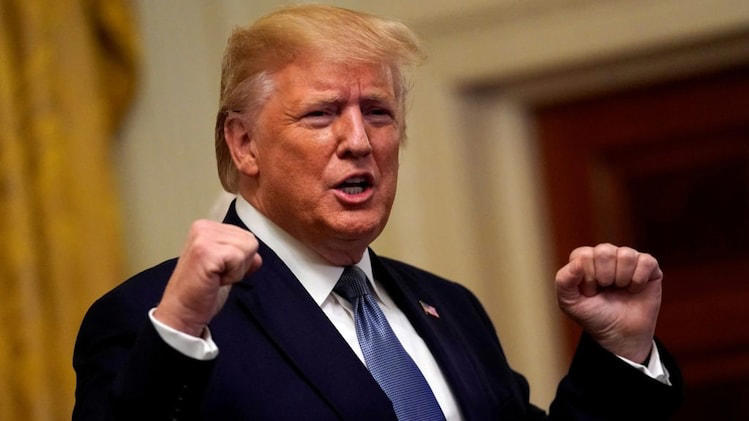
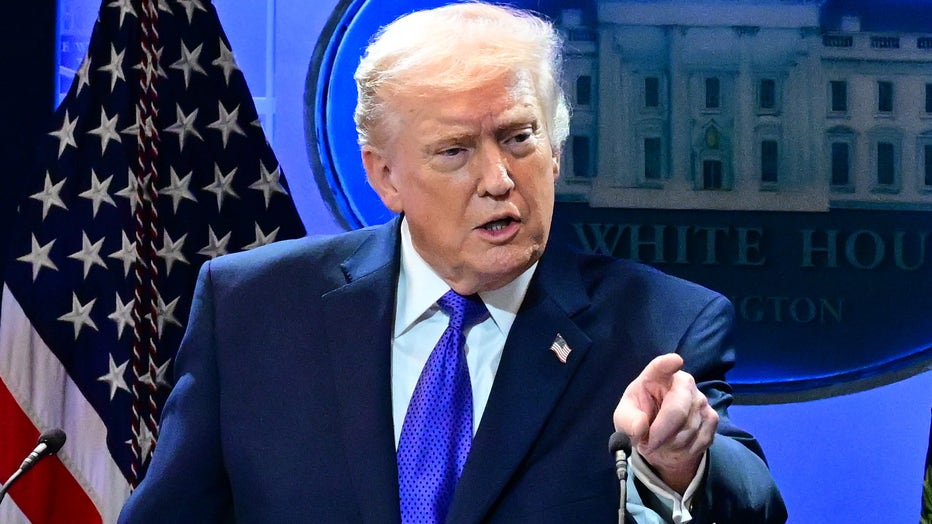
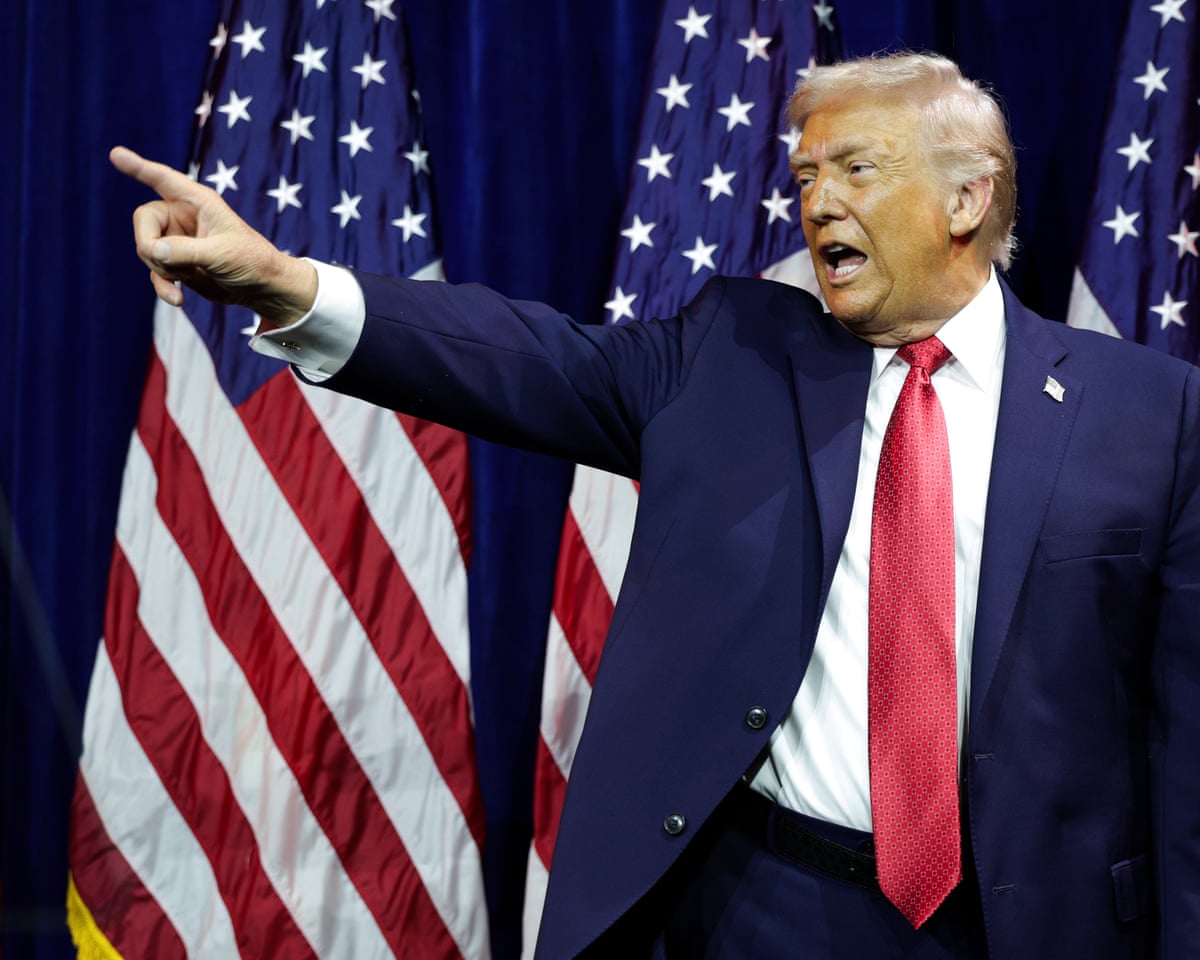
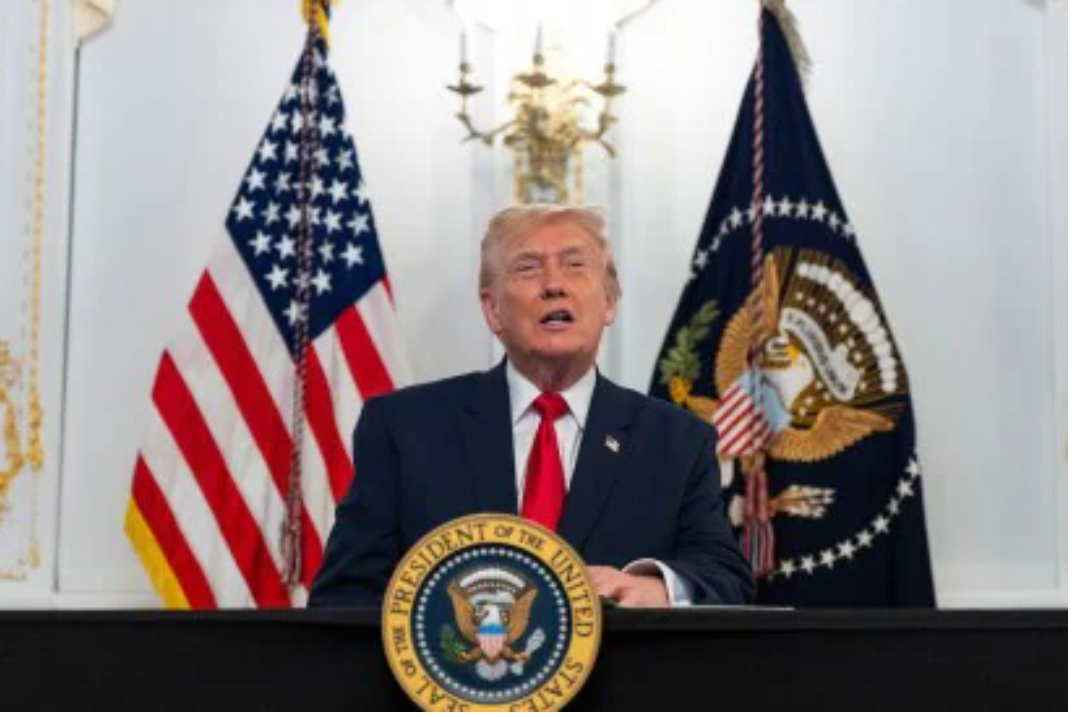
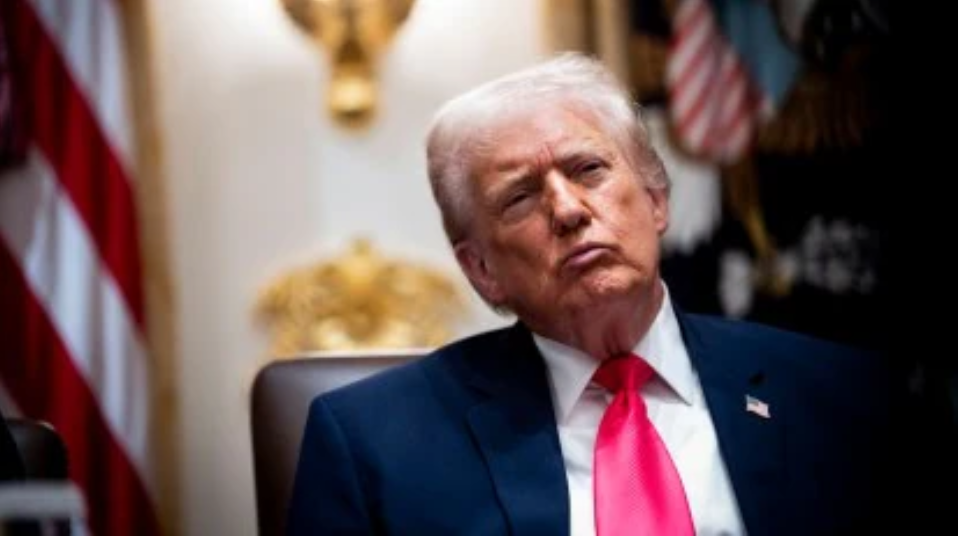
The Justice Department’s filing comes in direct response to President Donald Trump’s recent signing of a directive requiring federal agencies to expedite the release of investigative materials related to Epstein. The new mandate—tied to wider bipartisan demands for clarity and accountability—sets a strict 30-day window for the unsealing process.
In its filing, the DOJ argued that the judge should grant an “expedited ruling” that aligns with both congressional intent and the President’s order.
“Congress made clear in approving the release of investigative materials related to the prosecution of Jeffrey Epstein that documents such as the court records should be released,” Clayton wrote in the submission.
This marks one of the strongest official statements yet indicating that the government believes the public interest far outweighs the traditional secrecy surrounding grand jury proceedings.
Congressional and Public Pressure Mounts
Epstein’s death in federal custody in August 2019—officially ruled a suicide—triggered years of public distrust, relentless calls for transparency, and speculation about what information remains buried in sealed court materials. Many lawmakers, activists, and victims’ representatives have long argued that only a full release of the investigative files can address lingering questions about Epstein’s associates, the network that enabled him, and any institutional failures that allowed his crimes to continue unchecked.
Over the past year, congressional committees intensified efforts to gain access to the materials, citing “urgent national interest.” Their push gained momentum with the bipartisan passage of new disclosure requirements earlier this month—requirements that ultimately prompted President Trump to sign the release directive.
Monday’s DOJ filing indicates that the tug-of-war between preserving judicial secrecy and answering public demand is nearing a decisive moment.
Visual Symbolism in Washington
Public reaction has been growing, as captured in images from Washington last week. In one widely circulated photo, Gary Rush of College Park, Maryland, held a placard in front of the US Capitol during a press conference on the Epstein files, demanding full transparency. His sign, like many others at the event, underscored a growing belief among citizens that only complete disclosure can restore faith in the institutions that once surrounded Epstein.
The DOJ’s renewed motion now aligns the federal government more closely with the public’s calls.
What the DOJ Wants Released
While the Justice Department has not detailed every document included in the sealed materials, the grand jury records are believed to contain:
– Testimonies from witnesses and insiders
– Statements by alleged accomplices
– Evidence gathered during pre-indictment investigative efforts
– Internal communications among federal prosecutors
– Information about individuals or entities possibly connected to Epstein’s operations
Grand jury materials are typically protected under Rule 6(e) of the Federal Rules of Criminal Procedure. Their secrecy is intended to preserve the integrity of investigations and protect the identities of those who testify. However, Congress can carve out exceptions—a power it has now exercised in this instance.
Why the Unsealing Matters Now
The move to unseal Epstein’s grand jury documents carries implications far beyond historical clarification. For years, prosecutors, victims, and journalists have wrestled with the opaque nature of the 2008 sweetheart plea deal Epstein received in Florida, as well as inconsistencies in the federal handling of his later New York case.
The release of these materials could:
– Offer insight into potential prosecutorial missteps
– Reveal names of individuals who may have evaded scrutiny
– Clarify gaps in the wider investigation of Epstein’s network
– Reshape public understanding of how Epstein operated for so long
Whatever the contents, the disclosure will likely play a significant role in future policy debates on sex-trafficking enforcement, prosecutorial transparency, and judicial oversight.
Legal Hurdles Ahead
Despite the DOJ’s renewed urgency, unsealing grand jury materials is not a simple administrative task. The presiding judge must consider:
– The scope of the documents
– Privacy rights of individuals named
– Potential harm to ongoing investigations
– Whether any exceptions under Rule 6(e) apply
– Congressional authority in relation to judicial discretion
While Congress has signaled its intention, the judiciary must still evaluate the legal boundaries of that intention. In previous cases, courts have maintained that even congressional directions do not automatically override grand jury secrecy rules. However, the DOJ’s position makes clear that the executive branch believes the court can—and should—lift the seal.
Victims’ Advocates Welcome the Move
Organizations representing Epstein’s survivors expressed cautious optimism following Monday’s filing. For many victims, transparency is seen as a crucial step toward justice—even if Epstein himself is no longer alive to face trial.
Advocates argue that the release could validate the experiences of survivors, reveal the full extent of Epstein’s crimes, and shed light on any individuals who may have facilitated or ignored the abuse.
A Landmark Transparency Moment Approaches
With a 30-day deadline now in place, the Epstein case may soon enter its most revealing phase yet. The DOJ’s request signals a major shift toward transparency in a legal saga that has been marked by secrecy, institutional embarrassment, and public outrage.
If the judge grants the expedited ruling, Americans could soon have access to documents that for years have fueled speculation, demanded explanation, and held the potential to expose long-hidden truths.
As the legal process unfolds, one thing is clear: the government’s stance has changed, and the push for full disclosure of the Epstein files has moved from the political margins to the center of official action. The coming weeks may bring answers to some of the nation’s most persistent questions—or raise new ones about a case that continues to define debates about justice, power, and transparency in America.
Discover more from AMERICA NEWS WORLD
Subscribe to get the latest posts sent to your email.