By_shalini oraon

‘Deep Anguish’: The Consulate’s Statement and the Harsh Reality Behind an Indian Student’s Killing in Toronto
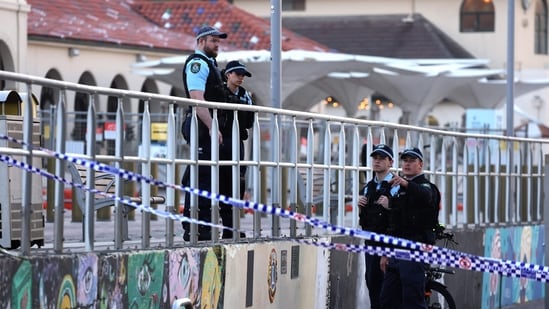
The news struck with a cold, familiar dread. Yet another promising life, cut short by senseless violence far from home. Sahil Sharma, a 24-year-old Master’s student in Computer Science at the University of Toronto, became a tragic statistic on a Tuesday evening in the city’s bustling North York district. He was caught in the crossfire of a suspected gang-related shooting outside a popular plaza, an innocent bystander paying the ultimate price. In the aftermath, as his family in Punjab grappled with unimaginable grief, the official voice of his homeland responded. The Consulate General of India in Toronto issued a brief statement expressing its “deep anguish” over the killing and assured consular assistance. But these three words, formal and measured, open a floodgate of questions about safety, dreams, and the complex realities of the Indian diaspora student experience in the West.
The Incident: A Life Interrupted
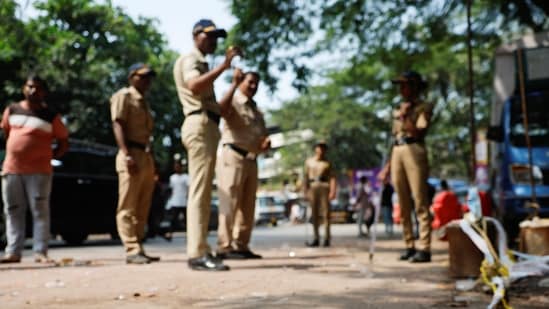
Sahil Sharma’s story was emblematic of a modern Indian dream. Hailing from a middle-class family in Jalandhar, he had secured admission to a prestigious Canadian university, a testament to years of hard work and his family’s significant financial investment. Canada, with its post-graduate work permit pathways and reputation for multicultural safety, represented a gateway to global opportunity. On the evening of April 23rd, Sahil had gone out with friends to run an errand. As they stood near their vehicle, the terrifying pop of gunfire erupted. In the chaos, Sahil was hit. Despite being rushed to the hospital, he succumbed to his injuries. Toronto Police confirmed his death as a homicide, stating the shooting appeared targeted but that the victim was not the intended target. The stark, brutal language of police reports—”wrong place, wrong time”—offered little solace for a life filled with right choices and immense potential.
Decoding the Diplomatic Language: “Deep Anguish”
The Consulate’s statement, while standard in diplomatic protocol, is a dense text of unspoken context. “Deep anguish” is a phrase reserved for moments of profound tragedy affecting the citizenry. It signals more than regret; it conveys a shared national hurt and official mourning. Crucially, it is often the first step in a diplomatic process that involves:
1. Formal Engagement: The phrase triggers immediate consular action—liaising with local authorities, ensuring the victim’s family is contacted, and navigating the labyrinthine process of repatriating remains, a procedure fraught with emotional, bureaucratic, and financial challenges.
2. Implied Pressure: While diplomatic, the public expression of anguish places a subtle but clear expectation on host nation authorities. It says, “This matters to us, and we are watching.” It prompts faster updates, demands thorough investigations, and calls for transparency.
3. Community Assurance: For the vast Indian student community in Canada—numbering over 300,000—such statements are a double-edged sword. They offer a reminder that their government is aware and engaged, yet they also starkly highlight their vulnerability. The Consulate’s follow-up advisories, urging students to “exercise due caution and be vigilant,” become a grim refrain after each such incident.
The Larger Canvas: A Recurring Nightmare
Sahil Sharma’s death is not an isolated event. It is a piercing data point in a worrying trend. In recent years, several Indian students in Canada and other countries like the United States and Australia have been victims of violent crime, including murder, armed robbery, and hate-motivated attacks. Each case sends seismic shockwaves through communities back in India, where families mortgage homes and futures for these overseas dreams.
The causes are multifaceted:
· Urban Violence and Accessibility: Many students, due to financial constraints, live and work in more affordable neighborhoods that may have higher crime rates. Their need for part-time jobs often sees them commuting or working late hours, increasing exposure.
· Perceived Vulnerability: Perpetrators may view international students as easy targets—less familiar with their surroundings, possibly carrying cash, and perceived as less likely to report crimes due to immigration concerns or language barriers.
· The Pressure of Silence: The immense pressure to succeed and justify family sacrifice can lead students to underreport risks, avoid “trouble,” and endure unsafe situations silently.
Between Dreams and Danger: The Student Dilemma
For the Indian student abroad, the calculation is brutally complex. They are sold a dream of safe, prosperous Western campuses. The reality can be a high-cost life in cities grappling with their own challenges of gun violence, petty crime, and social inequality. The cultural leap is vast, and support systems can be thin. The tragic death of someone like Sahil Sharma forces a community-wide reckoning: at what cost does this dream come?
Universities and host nations promote their institutions as global gateways, but the infrastructure of holistic safety—affordable secure housing, robust mental health support tailored for international students, clear and accessible avenues for legal help—often lags behind the aggressive recruitment drives.
A Call for Action Beyond Anguish
The Consulate’s “deep anguish” must be the starting pistol for concerted action, not the final word. It necessitates a multi-stakeholder response:
· For Home Institutions (India): Pre-departure orientations must move beyond visa procedures to include practical, hard-hitting safety briefings. Strengthening the network of Overseas Indian Communities and student associations is critical.
· For Host Institutions (Canada): Universities have a duty of care. This means dedicated 24/7 helplines, safe ride programs, mandatory safety workshops, and working with local police to ensure student-populated areas are prioritized for community policing.
· For Host Governments: Expedited justice in cases involving foreign nationals is essential. Streamlining and subsidizing the tragic process of repatriation in case of death is a humane necessity. Addressing the root causes of gun and gang violence in urban centers is the larger, societal challenge.
· For the Diaspora: Established community groups must formalize mentorship and “buddy” systems for newcomers, creating a web of watchfulness and support.
Conclusion
Sahil Sharma’s name joins a list no family ever wants to be on. His story is a piercing reminder that the journey for global education, while paved with opportunity, is also lined with unseen perils. The Consulate’s “deep anguish” is the official echo of a million private fears in Indian homes. It is a necessary, formal expression of grief. But for it to hold meaning, it must catalyze a transition from anguish to assurance—from reactive statements to proactive, systemic safeguards. The promise of the West for countless young Indians must not be a lottery where the price of a dream, for a terrible few, is everything. The best tribute to Sahil, and others like him, would be a future where “deep anguish” is replaced by “deep commitment” to ensuring that every student who leaves Indian shores in pursuit of knowledge returns home with nothing less than a fulfilled life.
Discover more from AMERICA NEWS WORLD
Subscribe to get the latest posts sent to your email.