By_Suraj Karowa/ ANW, November 4, 2025

Kabul, Afghanistan – November 3, 2025
A powerful 6.3-magnitude earthquake struck northern Afghanistan early Monday, killing at least 20 people and injuring more than 500, according to health officials.
The tremor, which hit at 12:59 a.m. local time (20:29 GMT Sunday), has caused widespread destruction in Balkh, Samangan, and Badakhshan provinces, with rescue operations ongoing amid fears the death toll could rise.

The United States Geological Survey (USGS) reported the quake’s epicenter was 22 km (14 miles) west-southwest of Khulm in Balkh province, at a depth of 28 km (17 miles). The shallow depth amplified surface damage, toppling homes, triggering rockslides, and burying roads under debris.
Sharafat Zaman, spokesperson for Afghanistan’s Ministry of Public Health, confirmed that 534 injured individuals and 20 bodies had been transported to hospitals in Balkh and Samangan.

“Rescue teams are on the ground, and casualty figures are still being updated,” Zaman said, warning that numbers could increase as remote areas become accessible.
In Badakhshan’s Shahr-e-Bozorg district, provincial police spokesperson Ihsanullah Kamgar reported that 800 houses in a single village were damaged or destroyed.

“Internet outages in remote areas are hampering communication,” he noted, adding that accurate casualty reports from the region remain unavailable.
Yousaf Hammad of the Afghanistan National Disaster Management Authority said most injuries were minor, with many patients discharged after treatment. However, critical cases continue to strain local medical facilities.

The Afghan Ministry of Defence deployed rescue and emergency teams to the hardest-hit areas in Balkh and Samangan. A rockslide briefly blocked the vital Kabul–Mazar-i-Sharif highway, trapping travelers and damaging vehicles. Defence officials confirmed the road was cleared hours later, and injured individuals along the route were evacuated to hospitals.
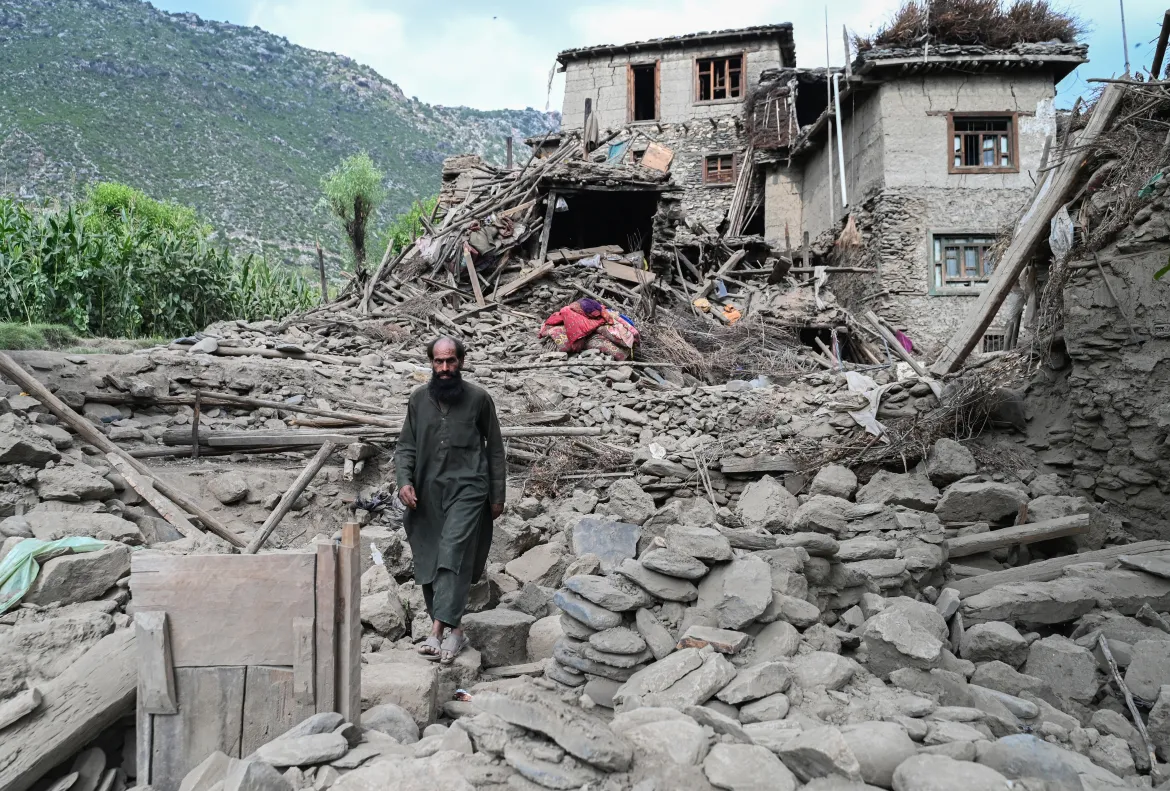
Photographs from the scene showed survivors sifting through rubble in Tashqurghan (Khulm district), collapsed shops along highways, and trucks crushed by falling boulders. In one village, families searched for belongings amid the ruins of mud-brick homes.

Afghanistan lies atop two active fault lines, making it highly prone to seismic activity. The country is still recovering from a devastating 6.3-magnitude quake in Herat province in October 2023 that killed over 2,200 people. Recent earthquakes in September 2025 also displaced thousands of Afghan returnees deported from Pakistan and Iran.
Related damage was reported at cultural sites, including cracks in Mazar-i-Sharif’s historic Blue Mosque, a UNESCO-recognized shrine.
International aid agencies have expressed concern over Afghanistan’s capacity to respond, citing years of conflict, economic collapse, and restricted humanitarian access under Taliban rule. The United Nations called for urgent funding to support emergency response efforts.
As night fell, residents in affected areas slept outdoors, fearing aftershocks. Local authorities urged calm while promising continued rescue operations.
Discover more from AMERICA NEWS WORLD
Subscribe to get the latest posts sent to your email.