By_shalini oraon

The Bloody Prelude: Crude Bomb Blast Marks Tarique Rahman’s Contested Return
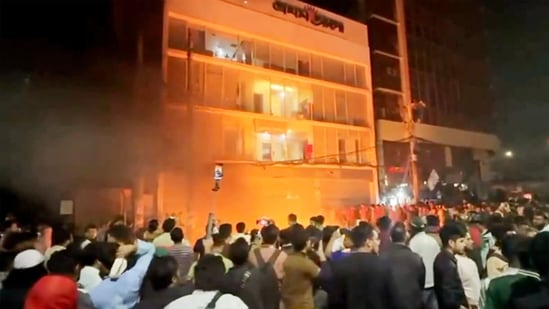
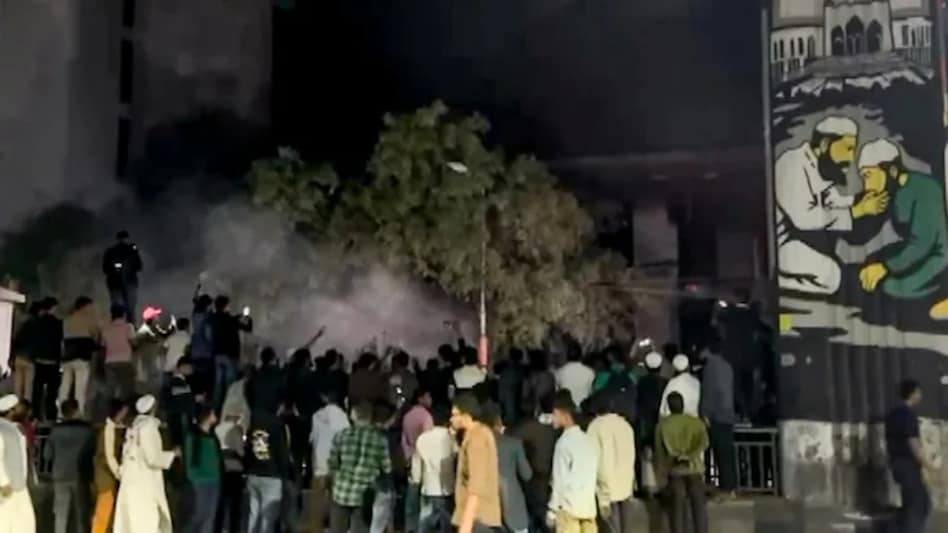
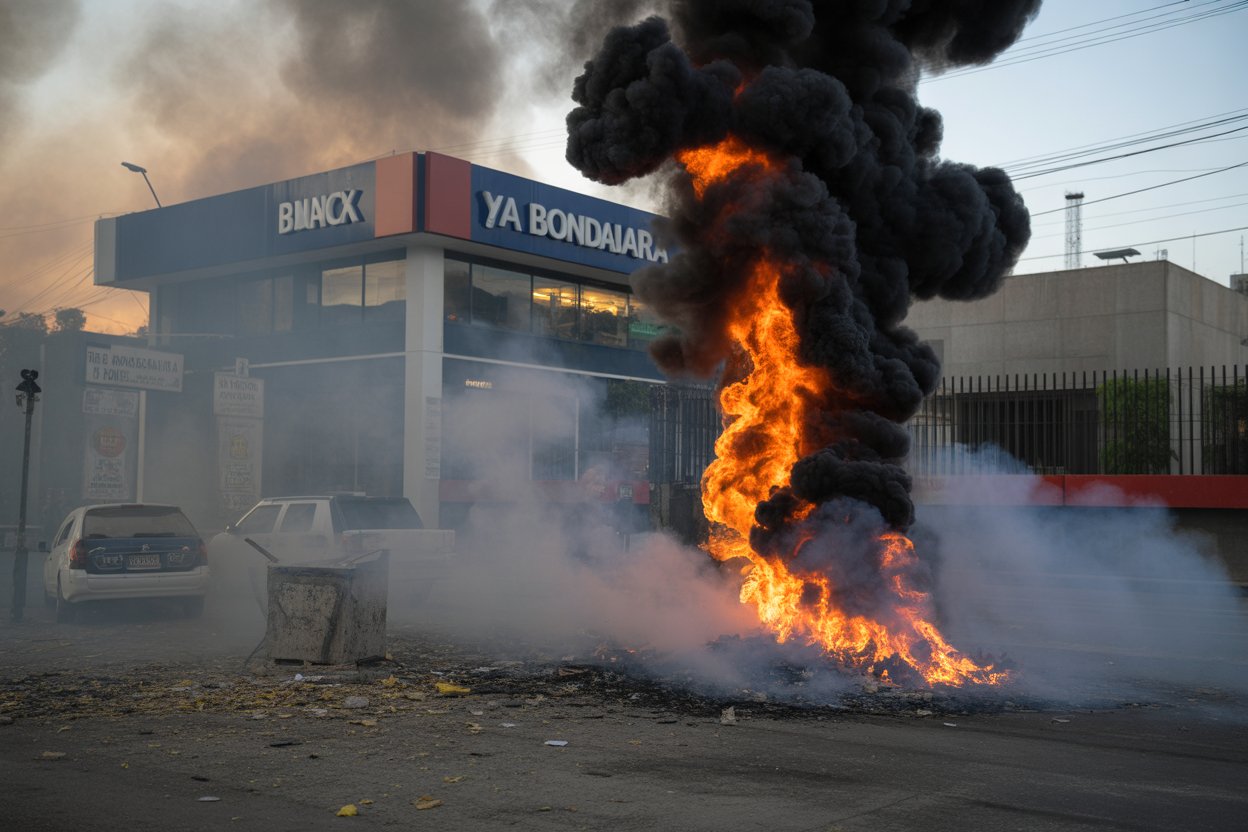
A crude, deafening explosion ripped through the relative calm of a Dhaka neighborhood, leaving not just shattered glass and twisted metal, but a grim portent for Bangladesh’s already supercharged political landscape. The victim, an ordinary man whose name was swiftly added to the long ledger of the nation’s political violence, became an unintended symbol—a casualty in the high-stakes drama surrounding the imminent return of Tarique Rahman, acting chairman of the Bangladesh Nationalist Party (BNP) and exiled son of former Prime Minister Khaleda Zia. This blast, occurring just days before Rahman’s promised homecoming after seven years abroad, is not an isolated incident. It is a stark reminder of the deep, often deadly, fissures that define Bangladeshi politics, where symbolism and violence are tragically intertwined.
Tarique Rahman’s narrative is itself a microcosm of Bangladesh’s turbulent political saga. Living in London since 2008, he has been a specter hovering over national politics—a revered leader to the BNP and its allies, and a convicted criminal to the ruling Awami League government. Sentenced in absentia to life imprisonment for his alleged role in a deadly grenade attack targeting the current Prime Minister Sheikh Hasina in 2004, and facing other charges ranging from corruption to money laundering, Rahman’s return is framed by his supporters as a heroic act of defiance. To them, he is the rightful political heir returning to lead a movement against an increasingly authoritarian regime. For the government, his return is that of a fugitive finally facing justice, a narrative they have meticulously built through a decade of legal proceedings.
It is within this tinderbox of competing legitimacies that the crude bomb blast assumes its ominous significance. Crude bombs, or “cocktail bombs” as they are locally known, are not instruments of surgical terror. They are the weapons of political theater—loud, chaotic, and designed primarily to instill fear, signal presence, and disrupt the peace. Their use has a long history in Bangladesh, often spiking around elections, rallies, and moments of heightened political confrontation. This particular explosion, though claiming an innocent life, served as a violent exclamation point on the already tense political sentence being written around Rahman’s return.
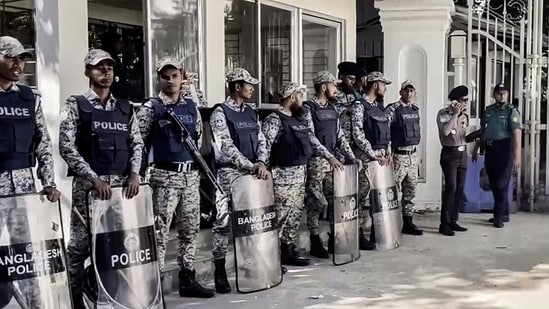
The immediate aftermath followed a depressingly familiar script. The BNP and its affiliates were quick to condemn the blast, labeling it a deliberate act of sabotage by government-backed forces to create a pretext for a crackdown and to tarnish the atmosphere ahead of Rahman’s arrival. They pointed to a history of what they call “state-sponsored terrorism” aimed at dismantling opposition movements. The government and ruling party, in turn, accused BNP-linked “terrorist elements” and “infightings” within the opposition of staging the violence to garner sympathy and justify their upcoming, potentially destabilizing, programs. Law enforcement promised investigation, but in a climate of profound distrust, few hold faith in impartial outcomes.
This cycle of blame is more than just political point-scoring; it is a symptom of a deeper malady. Bangladesh’s political discourse has been hollowed out, replaced by a zero-sum game where the opposition is not just a rival but an enemy to be eradicated, and the government is not an administrator but an illegitimate occupier to be ousted. Institutions meant to mediate—the judiciary, the election commission, the police—are seen by large swathes of the population as captured or compromised. In this vacuum, street power and symbolic violence become alternative currencies of political expression.
The death of an unnamed man in this blast is the ultimate human cost of this degradation. He becomes collateral damage in a shadow war where the real battle is over narrative control. Will his death be framed as a martyrdom for the opposition’s cause, a tragic result of their adventurism, or simply another statistic in Dhaka’s urban violence? His identity almost becomes secondary to the utility of his death in the forthcoming propaganda battles.
As Tarique Rahman prepares to step onto Bangladeshi soil, the questions multiply. Will his return galvanize a fragmented BNP into a cohesive, peaceful mass movement, as he promises? Or will it act as a lightning rod, attracting further state repression and inciting retaliatory violence from his own supporters? The crude bomb blast suggests the latter path is already being paved. It signals that actors on all sides—whether state agents, opposition zealots, or agent provocateurs—are prepared to use fear and violence to shape the coming narrative.
The international community watches with wary eyes. Bangladesh, an economic success story and a strategic partner in South Asia, cannot afford a descent into widespread political chaos. The stability of the region and the security of key supply chains are implicitly tied to Dhaka’s internal order. There will be calls for restraint, for dialogue, and for ensuring Rahman’s legal rights—but these calls often ring hollow against the visceral reality of a bomb blast and the entrenched positions of the domestic protagonists.
Ultimately, the bomb that killed an innocent man was a message written in gunpowder and blood. It stated that Tarique Rahman’s return will not be a simple legal or political event; it will be a stress test for the very foundations of the Bangladeshi state. It will challenge the government’s commitment to rule of law versus political vendetta, and test the opposition’s commitment to peaceful mobilization versus violent resistance. The victim of this blast is a grim prologue to a chapter whose ending is far from written. Whether this chapter leads to a renewed democratic contest, a definitive authoritarian consolidation, or a dangerous spiral of unrest, may well depend on whether the loud echoes of this explosion drown out the last remaining calls for reason, or serve as a terrible warning heeded just in time.
Discover more from AMERICA NEWS WORLD
Subscribe to get the latest posts sent to your email.


![Smoke rises after Israeli strikes in Beirut's southern suburbs, on March 2 [Mohamad Azakir/Reuters]](https://america112.com/wp-content/uploads/2026/03/hgh.webp)