By _shalini oraon

—
A Choking Prognosis: Study Suggests Lockdown-Level Curbs Needed for Clean Delhi Air by 2040
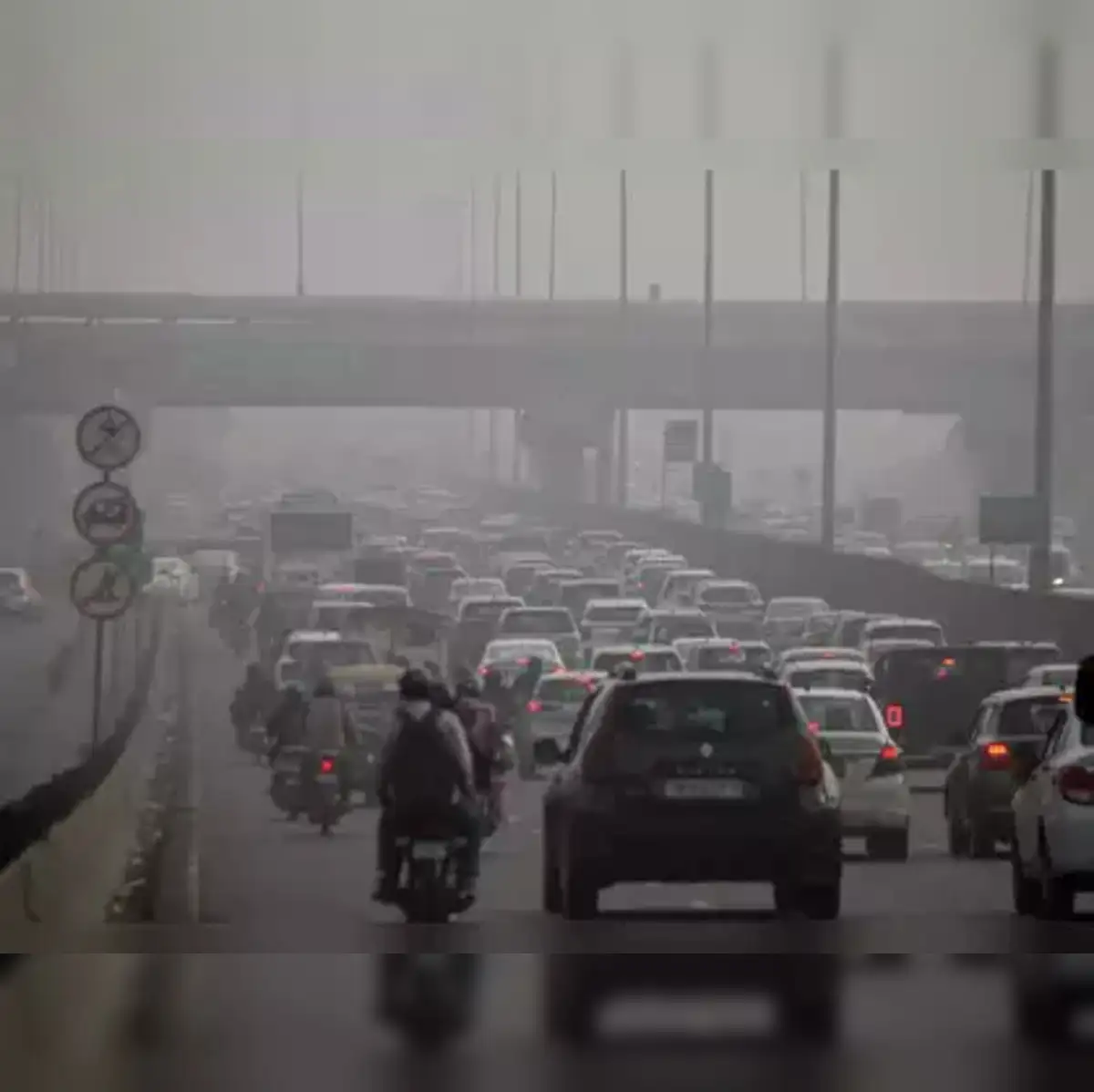
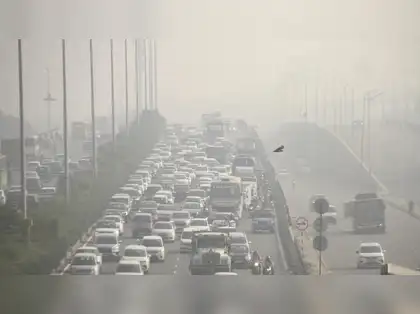
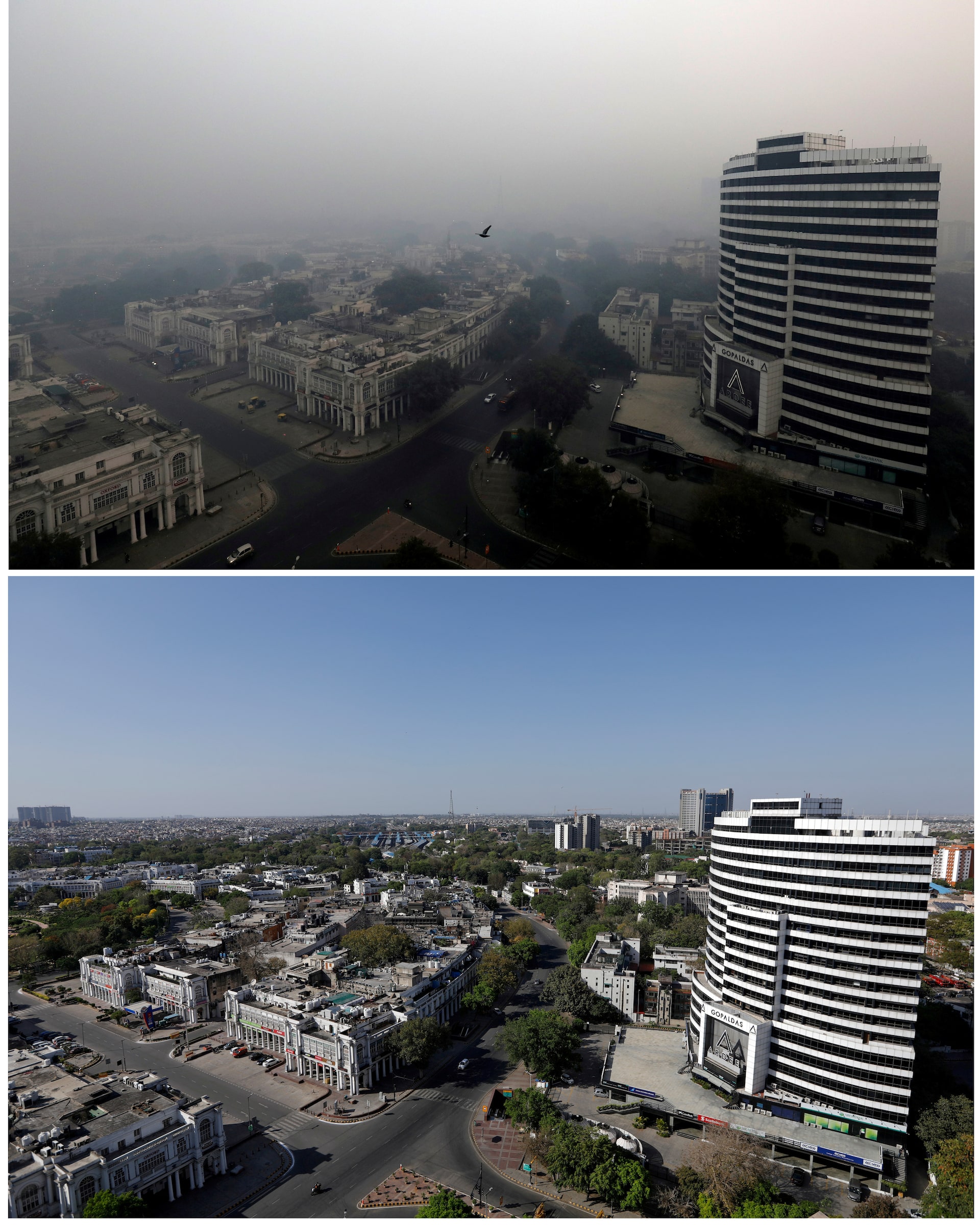
A new study has delivered a sobering, almost dystopian, prognosis for India’s capital: to achieve breathable air by 2040, Delhi would need to enforce pollution curbs equivalent to those seen during the COVID-19 lockdowns. This finding, which sounds more like a plot from a science fiction novel than a public policy proposal, lays bare the terrifying scale of the air quality crisis. It forces a critical question: is a city’s right to breathe contingent on it being in a perpetual state of economic and social paralysis?
The research, typically emanating from academic or environmental institutions, models future air quality scenarios based on current emission sources. It compares the dramatic pollution reduction during the 2020 lockdown—when industries ground to a halt, construction stalled, and vehicles vanished from the roads—with the relentless “business-as-usual” scenario that defines Delhi’s present. The conclusion is that only a sustained, multi-decade intervention of a similar magnitude could bend the pollution curve sufficiently to meet national clean air standards within the next 16 years.
The Lockdown Mirage: A Fleeting Glimpse of Blue
To understand the study’s implication, one must recall the surreal spring of 2020. As the world retreated indoors, Delhi experienced a phenomenon it hadn’t seen in generations: crystalline blue skies. The AQI (Air Quality Index), which routinely hovers between “poor” and “severe,” plummeted to “satisfactory” and even “good” levels. Residents reported seeing the stars and the contours of distant mountains, sights obscured for decades by a toxic soup of particulate matter.
This was not a coordinated government effort or the success of a green policy; it was an unintended, global experiment in emission cessation. The key pollutants that choke Delhi—PM2.5 and PM10 (fine particulate matter), Nitrogen Dioxide (NO2), and Sulfur Dioxide (SO2)—saw a precipitous drop.
· Transportation, a primary contributor, fell by over 90%, eliminating a major source of NO2 and direct PM emissions.
· Industry and Construction, another massive pillar of pollution, went silent, halting the release of industrial smoke and dust.
· Power Demand shifted, temporarily reducing the burden on coal-fired power plants.
The study’s model essentially extrapolates this momentary clean-air event into a two-decade-long strategy. It posits that if such a drastic reduction in human activity could be maintained, the natural cleansing capacity of the atmosphere, coupled with the avoidance of new emissions, would gradually scour the air clean.
The Impossibility and Human Cost of a Perpetual Lockdown
While scientifically coherent, the proposal is socio-economically and politically untenable. The lockdown, for all its environmental benefits, was a period of immense human suffering, economic devastation, and social disruption. To suggest it as a model for environmental policy is to ignore its catastrophic collateral damage.
1. Economic Catastrophe: The lockdown triggered a historic economic contraction and left millions of daily wage earners, migrant laborers, and small business owners in dire straits. Enforcing such curbs for 16 years would annihilate the economy of not just Delhi but the entire National Capital Region (NCR), a vital engine of India’s GDP. The cost of clean air cannot be measured in a perpetual recession.
2. Social and Psychological Toll: The lockdowns were a period of intense anxiety, isolation, and mental health crises. Education was disrupted, healthcare systems were overwhelmed, and the very fabric of social life was torn. Prescribing this as a long-term solution is to advocate for a deeply unhealthy and unsustainable society.
3. A Defeatist Policy Approach: The suggestion is a counsel of despair. It implies that the only way to beat pollution is to shut down modern life itself, abandoning any notion of sustainable progress or green innovation. It undermines the very premise of finding a balance between development and environmental stewardship.
Reframing the Question: From Lockdowns to a Sustainable Transition
The true value of this study, therefore, lies not in its literal prescription, but in the stark clarity of its message. It serves as a powerful, data-driven allegory for the scale of effort required. The challenge is not to replicate the lockdown’s paralysis, but to replicate its emission outcomes through smarter, systemic, and sustainable means.
The “lockdown-level” reduction target should be seen as a benchmark for what we must achieve through innovation and regulation, not through societal shutdown. This translates into:
· Transforming Transportation: The lockdown silenced vehicles. The sustainable alternative is an accelerated, mandatory transition to a 100% electric vehicle (EV) fleet for public transport and last-mile delivery by 2030, complemented by massive investments in electrified metro and railway networks, and safe infrastructure for cycling and walking. This would achieve similar reductions in NO2 and PM without halting mobility.
· Revolutionizing Industry and Energy: The lockdown shuttered factories. The sustainable path involves enforcing the widespread adoption of clean technologies, such as smog towers, effective emission control systems in every unit, and a mandatory shift to green energy sources for industrial operations. This means moving away from coal-based power to a grid powered by solar, wind, and other renewables, ensuring that “business as usual” becomes “green business as usual.”
· Addressing Regional Sources: A perpetual lockdown is impossible to enforce on the entire Indo-Gangetic Plain, whose agricultural stubble burning is a major seasonal contributor. The solution lies in a financially viable and logistically sound plan for crop residue management, providing farmers with the machinery and incentives to move away from burning.
Conclusion: A Wake-Up Call, Not a Blueprint
The study suggesting a lockdown until 2040 is not a policy blueprint; it is a screaming alarm. It tells us that the incremental measures of the past—the occasional smog tower, the temporary odd-even scheme, the bans on construction during peak smog—are akin to using a bucket to drain an ocean.
The path to clean air by 2040 does not lie in shutting down our lives, but in fundamentally rebuilding our systems. It requires a “Marshall Plan” for clean air, with unprecedented political will, public investment, and cross-state collaboration. The lockdown gave us a glimpse of a clean-air future and a terrifying taste of its cost. Our task is to seize that glimpse of blue sky as our goal, and to forge a new, sustainable path to reach it—one that allows both our economy and our citizens to breathe freely. The alternative is to accept that the only way to see the stars is to plunge the city into a permanent darkness.
Discover more from AMERICA NEWS WORLD
Subscribe to get the latest posts sent to your email.