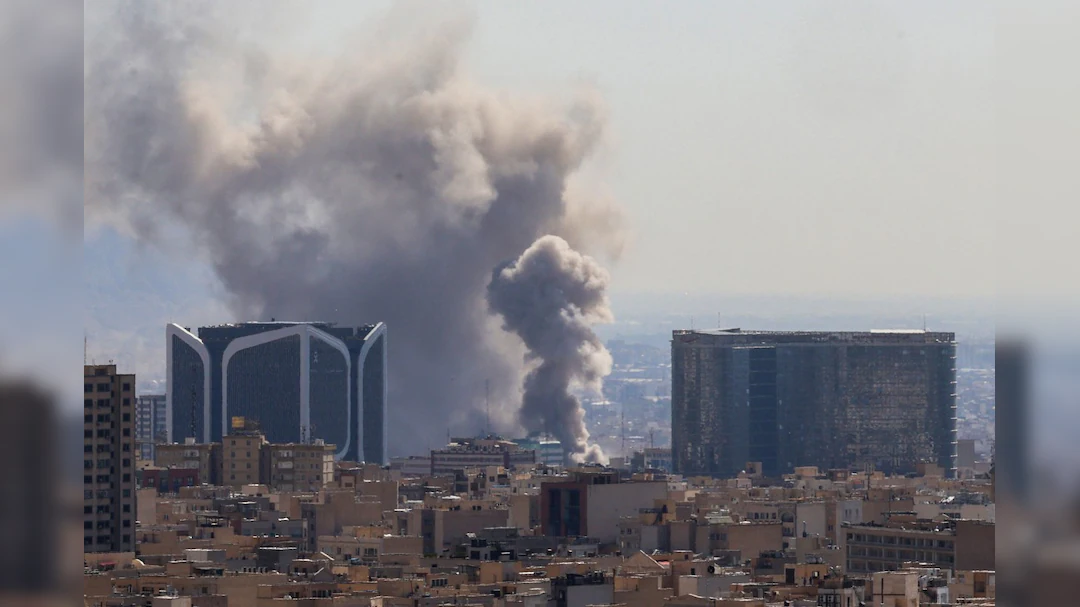
In a heated exchange at the United Nations, China fired back at the United States, calling out its trade policies as hypocritical. The dispute, dubbed the “fire vs lamp” controversy, centers on US accusations that China supports Russia’s war efforts in Ukraine. China’s representative sharply criticized Washington, asking why the US can trade with Russia while blocking others from doing the same. This clash, reported on August 1, 2025, by Times of India, has sparked global attention, highlighting tensions in US-China trade relations. At AMERICA NEWS WORLD, we dive into the details of this fiery debate and its implications for global trade.
What Sparked the ‘Fire vs Lamp’ Clash?
The controversy began during a UN Security Council meeting focused on the Ukraine conflict. A US representative accused China of being a key supplier to Russia’s war machine, claiming Beijing provides critical components for weapons. However, China’s deputy permanent representative, Geng Shuang, didn’t hold back. He called the US claims “completely unacceptable” and a part of a smear campaign. “The US continues to trade with Russia to this day. Why is it okay for them but not for others?” Geng asked, according to Global Times. He added, “Some can set fires, but others can’t even light a lamp. Is that the logic?”
This vivid metaphor has captured attention, framing the US as hypocritical for maintaining trade with Russia while condemning China’s actions. Geng stressed that China has not supplied lethal weapons to any party in the Ukraine conflict. Instead, Beijing maintains normal trade relations with both Russia and Ukraine, as no UN sanctions prohibit such activities.
Why This Matters for Global Trade
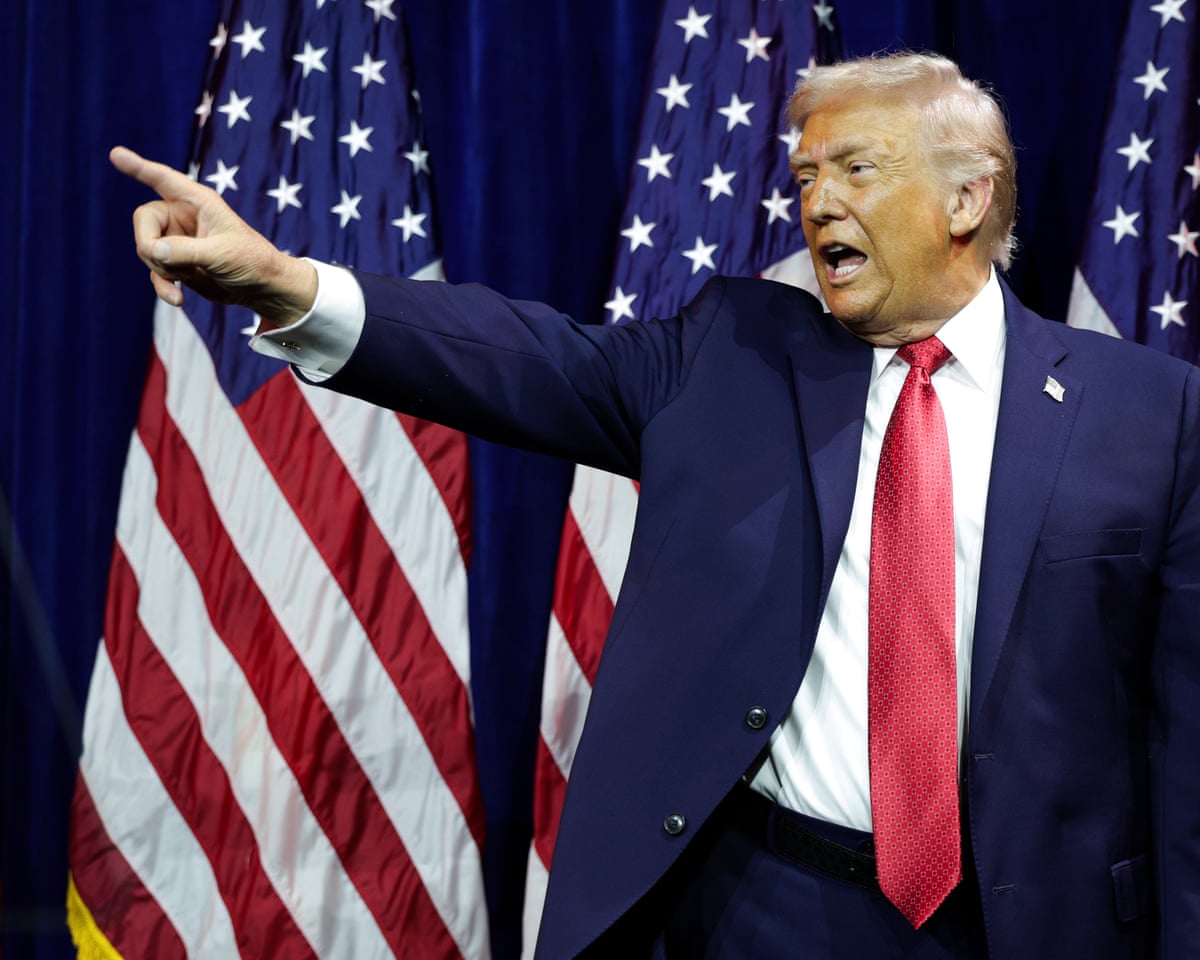
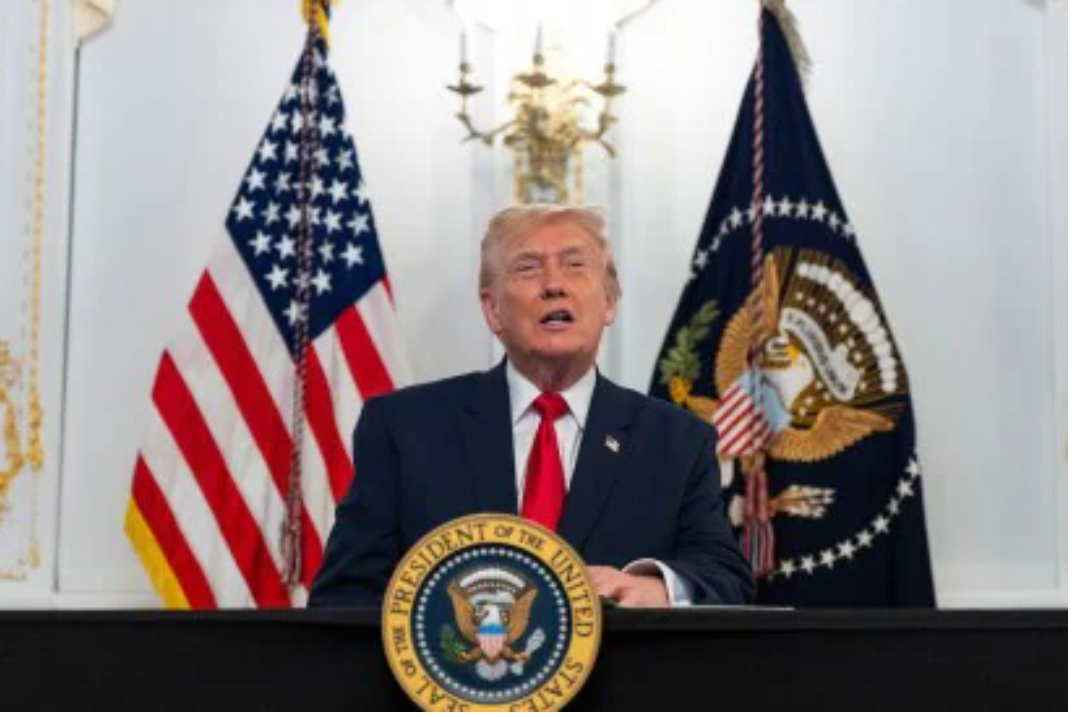
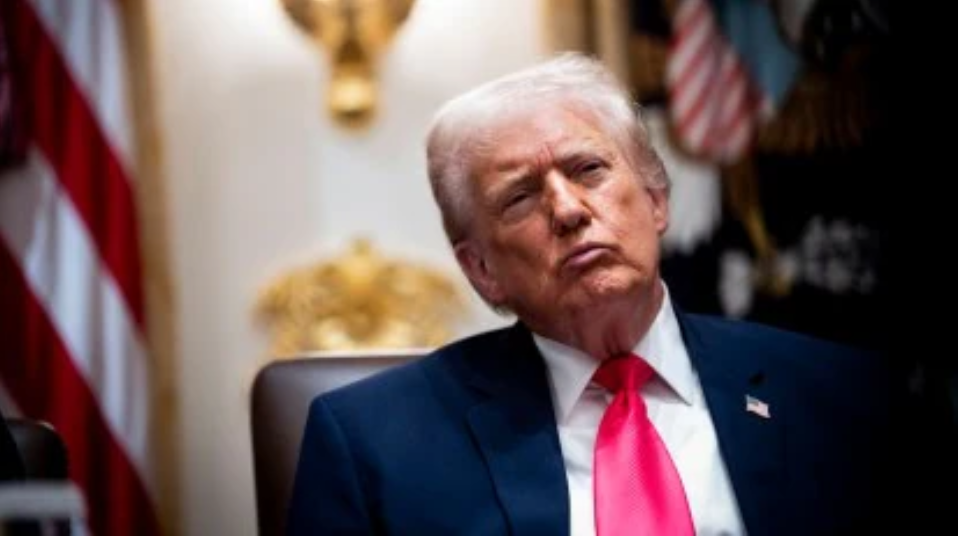
The “fire vs lamp” dispute comes amid escalating trade tensions between the US and China. In 2025, US President Donald Trump imposed steep tariffs on Chinese goods, starting at 10% in February and rising to 54% by April, according to Reuters. China retaliated with tariffs of its own, peaking at 34% on US goods. A fragile 90-day truce, agreed upon in May 2025, reduced these tariffs to 30% for the US and 10% for China. However, talks to extend this truce failed in Stockholm on July 29, 2025, leaving uncertainty as the August 12 deadline looms.
This trade war has disrupted nearly $600 billion in bilateral trade, affecting supply chains and economies worldwide. For instance, US consumers face higher prices, with estimates suggesting tariffs could cost households $2,400 in 2025, per The Budget Lab. Meanwhile, China’s economy is projected to take a 1% hit to GDP growth, a significant improvement from earlier forecasts of 2.4%, thanks to the truce.
Here’s a quick look at the tariff timeline:

This chart, viewable on both mobile and desktop, shows the fluctuating tariff rates, highlighting the temporary relief from the May truce. Yet, with no deal reached in recent talks, businesses and consumers brace for potential tariff hikes.
China’s Stance: A Call for Fairness
China’s response goes beyond defending its trade with Russia. Geng emphasized that Beijing has strictly controlled exports of dual-use items, like drones, that could be used in conflicts. He argued that the US, by contrast, fuels the Ukraine war by supplying weapons, which only prolongs the fighting. “Weapons may win wars, but they cannot bring lasting peace,” Geng said, urging the US to stop scapegoating China and work toward a resolution.
This isn’t the first time China has called out US trade policies. In April 2025, a Chinese white paper slammed Washington’s tariffs and sanctions as unilateral, per Sri Lanka Guardian. The document defended China’s commitment to open markets and multilateralism, contrasting it with US protectionism.
What’s Next for US-China Relations?
The failed Stockholm talks signal ongoing challenges. US Treasury Secretary Scott Bessent noted that any extension of the tariff truce requires Trump’s approval, per The New York Times. Meanwhile, China’s Vice Premier He Lifeng has pushed for continued dialogue, but both sides remain far apart on key issues like technology exports and rare earth minerals.
For readers in India, the US-China trade war could impact everything from electronics prices to job markets, as global supply chains shift. In the US, consumers are already feeling the pinch, with clothing prices expected to rise 17-38% due to tariffs, according to CNBC. For more on how this affects you, check out AMERICA NEWS WORLD for updates.
ALSO READ:-RECITAL BLOG
Why This Story Resonates
The “fire vs lamp” phrase has gone viral, capturing the frustration of many who see double standards in global trade. It’s a simple yet powerful way to question fairness, making it relatable to people across all continents. Whether you’re a student in Mumbai, a worker in New York, or a business owner in Lagos, trade policies shape your daily life. This story, broken down in plain English, aims to keep you informed without jargon.
We’ve sourced insights from platforms like Quora and Reddit, where users discuss how trade wars raise costs for everyday goods. For example, a Reddit thread highlighted concerns about smartphone prices spiking due to tariffs on Chinese components. By addressing these real-world impacts, AMERICA NEWS WORLD ensures you get news that matters to you.
Discover more from AMERICA NEWS WORLD
Subscribe to get the latest posts sent to your email.



















![Smoke rises after Israeli strikes in Beirut's southern suburbs, on March 2 [Mohamad Azakir/Reuters]](https://america112.com/wp-content/uploads/2026/03/hgh.webp)