By_shalini oraon

Chennai Schools Shut as IMD Warns of ‘Very Heavy’ Rain: A City Braced for the Skies to Open
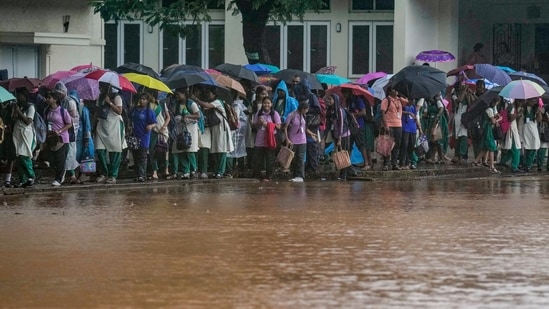
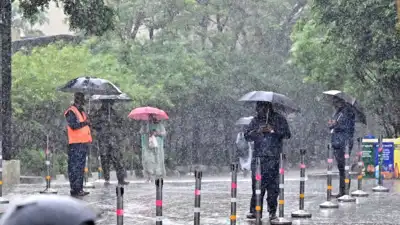
The familiar rhythm of a Chennai evening—the hum of traffic, the call of street vendors, the scent of filter coffee—was abruptly overshadowed by a flurry of official notifications. One by one, phones across the city chimed with the same urgent message: “Schools in Chennai will remain closed tomorrow.” The directive, issued by the district administration, was a preemptive response to a stark alert from the India Meteorological Department (IMD): a forecast of “very heavy to extremely heavy” rainfall set to lash several districts of Tamil Nadu, with the capital firmly in the crosshairs. This decision, while disruptive, opens a window into the complex interplay between climate, urban infrastructure, and collective memory in a city that has learned, through traumatic experience, to respect the rain.
Decoding the IMD’s Forecast: More Than Just a Downpour
The IMD’s terminology is precise and calibrated to convey specific levels of threat. “Heavy rain” is classified as 64.5 mm to 115.5 mm in 24 hours. “Very heavy rain” escalates to 115.6 mm to 204.4 mm. “Extremely heavy rain” is anything above 204.5 mm. When the IMD uses the “very heavy” moniker and couples it with warnings for districts like Chennai, Tiruvallur, Kancheepuram, and Chengalpattu, it signals a systemic weather event, not an isolated shower. This rainfall is typically driven by meteorological systems like troughs, low-pressure areas, or, as is often the case on the east coast, a strengthening of the easterly wave.
For Chennai, a coastal metropolis built on a flat, drained marshland, such intense precipitation is not merely an inconvenience. It is a direct test of the city’s hydrological and civic architecture. The forecast implies a high probability of waterlogging in low-lying areas, the inundation of underpasses, severe disruption to road and suburban rail traffic, and potential for localised flooding in vulnerable neighborhoods. The decision to close schools is, first and foremost, a child safety protocol. It prevents millions of children and teenagers from being on the roads during hazardous conditions, stuck in school buses navigating flooded streets, or risking exposure to water-borne diseases or electrical hazards.
The Ghost of 2015: How Memory Shapes Precaution
To understand the swiftness of today’s administrative response, one must glance back at the watershed moment of November-December 2015. Chennai was submerged by catastrophic floods that claimed hundreds of lives, displaced countless families, and brought the city to a standstill for weeks. The trauma of that event, where incessant rain overwhelmed lakes, reservoirs, and drainage systems, is etched deep into the city’s psyche. A key lesson from that disaster was the critique of a reactive approach; the sense that authorities waited for crises to unfold before acting.
Since then, the playbook has changed. The pre-emptive closure of schools has become a standard, if disruptive, first line of defence. It is a clear admission that the city’s drainage capacity, despite post-2015 augmentation projects, remains vulnerable to cloudburst-level events. It reduces traffic volume, allowing emergency and civic agencies clearer access to critical spots. It also represents a philosophical shift towards prioritizing human safety over routine, acknowledging that the calculus of losing a day of education is far preferable to the risk of a single tragedy.
The Ripple Effect: A City Slows Down
The announcement triggers a city-wide logistical recalibration. For parents, especially in dual-income households, it necessitates immediate alternative childcare arrangements. The informal economy—from auto-rickshaw drivers to street food vendors—feels the immediate pinch as footfall dwindles. Offices and IT parks, while not officially closed, often see widespread “work from home” advisories or reduced attendance as employees heed caution.
On the ground, the Greater Chennai Corporation and the Tamil Nadu State Disaster Response Force (SDRF) shift to high alert. Pumping stations are manned round-the-clock, stormwater drain entrances are cleared of debris, and temporary shelters are readied. The civic body’s command center begins monitoring a network of rain gauges and CCTV feeds, while teams are deployed to known chronic flooding spots. The Public Works Department keeps a vigilant watch on the water levels in the Chembarambakkam, Poondi, and other reservoirs that feed the city, managing outflows carefully to avoid a repeat of the 2015 crisis when simultaneous releases from full reservoirs exacerbated urban flooding.
Beyond the Closure: The Larger Climate Context
While the school closure is the most visible public measure, the IMD alert is part of a larger, more worrying pattern for Tamil Nadu. The state has been experiencing increasing volatility in its rainfall patterns. The traditional Northeast Monsoon (October-December), which brings the bulk of Chennai’s annual rainfall, has become more erratic and intense. Climate scientists point to the warming of the Bay of Bengal as a key driver, providing more energy and moisture for rain-bearing systems.
This turn of events moves the conversation beyond immediate disaster management to long-term climate resilience. It raises urgent questions about sustainable urban planning: the need to reclaim and protect natural buffers like wetlands and water bodies, the imperative to mandate rainwater harvesting not just in law but in effective practice, and the critical importance of expanding and maintaining green cover to improve groundwater percolation.
Conclusion: A Day of Pause, A Reminder of Vulnerability
As Chennai prepares to bunker down, the sound of rain on the rooftop will carry a weight beyond its measure in millimeters. The closed school gates stand as silent sentinels of a city’s caution. This pre-emptive step is a hard-won wisdom born from past suffering. It acknowledges that in the face of nature’s growing fury, the most prudent course of action is sometimes to simply step back, stay safe, and let the storm pass.
The true test, however, will unfold in the days after the rain. How quickly will the water recede? Which neighborhoods will be left marooned? How efficient will the restoration of normalcy be? The answers will offer a report card on Chennai’s ongoing battle to reclaim its equilibrium from the water. For now, the city watches the sky, heeds the warning, and understands that sometimes, the most productive thing to do on a weekday is to stay indoors, listen to the rain, and remember the power of the elements that shape our lives on this dynamic coast.
Discover more from AMERICA NEWS WORLD
Subscribe to get the latest posts sent to your email.