By_shalini oraon

the proposed purchase of Russian missiles for the S-400 system, analyzing its strategic, political, and diplomatic implications.
—
Strategic Imperative or Diplomatic Gambit? India’s Proposed Purchase of 300 Russian Missiles
In a move that underscores the enduring complexity of its foreign policy, India is reportedly initiating the purchase of 300 additional missiles to replenish and bolster its S-400 Triumf air defence systems. This decision, while framed as a logistical necessity to maintain a critical weapons platform, sends ripples far beyond the realm of military procurement. It is a strategic calculation made at a precarious geopolitical juncture, balancing a legacy defence partnership with Russia against the imperatives of a burgeoning strategic alignment with the United States and the Quad, all while keeping a watchful eye on a hostile border with China.
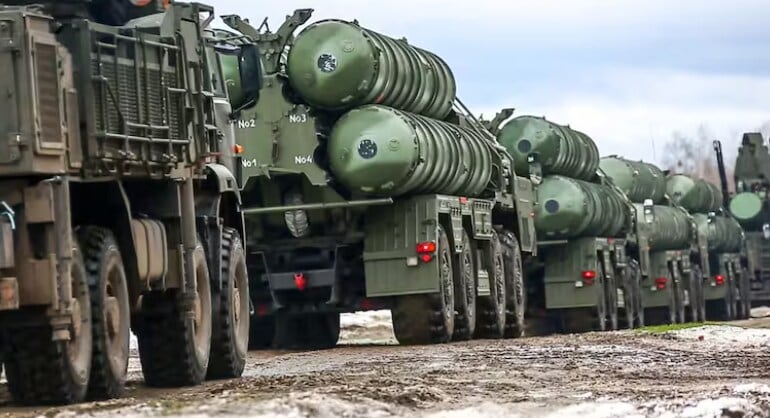
The S-400 deal itself, signed in 2018 for approximately $5.4 billion, was always a contentious one. It placed India squarely in the crosshairs of the United States’ Countering America’s Adversaries Through Sanctions Act (CAATSA), which mandates sanctions on any nation engaging in significant transactions with Russia’s defence sector. The proposed follow-on purchase of 300 missiles is not merely an addendum; it is a reinforcement of a chosen path. For the Indian military, the rationale is unequivocal. The S-400 is one of the most advanced long-range surface-to-air missile systems globally, capable of engaging aircraft, drones, and ballistic and cruise missiles at ranges of up to 400 kilometers. Its deployment along the volatile borders with Pakistan and, more significantly, China, provides a critical defensive shield for India’s major population and industrial centers.
The “replenishment” aspect is key. Military systems, especially those on high alert, require a steady pipeline of munitions for training and to maintain operational readiness in case of conflict. The reported purchase of 300 missiles suggests India is moving beyond initial induction into the phase of establishing a sustainable war-fighting reserve. This is a clear signal to adversaries, primarily China, that India is serious about hardening its air defences for the long term, ensuring that the massive investment in the S-400 platform is not undermined by a lack of interceptors.
However, the military logic collides head-on with diplomatic realities. The United States, while granting India a de facto waiver on the initial S-400 purchase, is under increasing internal pressure to enforce CAATSA more uniformly, especially in the context of its unwavering support for Ukraine against Russian aggression. A new, significant missile purchase makes it politically harder for the Biden administration to justify continued leniency. It provides ammunition to critics who argue that India is not fully aligned with the Western strategic front against Russia. The US has long advocated for India to wean itself off Russian equipment, offering alternatives like the Patriot or THAAD systems. By doubling down on the S-400, India demonstrates that while its strategic convergence with the US is deep, it is not absolute.
This decision is a masterclass in India’s policy of strategic autonomy. New Delhi is making a clear distinction between its core national security interests and the expectations of its partners. The calculus is simple: the immediate threat from China on the Himalayan border is a tangible, daily reality, while the threat of US sanctions remains a political and diplomatic variable. The S-400 is perceived as a vital tool to counter Chinese aerial dominance, particularly its fleet of advanced fighters and bombers. No alternative system offered by the US or others is seen as a like-for-like replacement in the short to medium term. Therefore, from India’s perspective, securing its defensive capabilities against Beijing takes precedence over avoiding friction with Washington.
The Russia dimension is equally critical. For decades, Russia has been India’s primary arms supplier. This relationship created deep interdependence: the Indian military’s entire ecosystem, from training to logistics spares, is heavily integrated with Russian hardware. A sudden severance is practically impossible. Moreover, this purchase provides a crucial financial lifeline to Russia’s defence industry, which is grappling with the impacts of Western sanctions. It reinforces a partnership that Russia is desperate to maintain, giving India a degree of leverage in Moscow. This is particularly important for diplomacy, as India continues to rely on Russia for diplomatic cover at forums like the UN and for strategic space in Central Asia.
Yet, this reliance is a double-edged sword. The war in Ukraine has exposed significant logistical and financial challenges in dealing with Russia. Payment mechanisms are fraught with difficulties due to economic sanctions, and the reliability of supply chains is questionable. By proceeding with this missile purchase, India is betting that these transactional hurdles can be overcome, a bet that carries its own risks.
The domestic context cannot be ignored. The Indian government, under Prime Minister Narendra Modi, has pursued an aggressive policy of military modernisation under the “Atmanirbhar Bharat” or “Self-Reliant India” banner. This makes the continued dependence on a foreign supplier, that too one mired in geopolitical conflict, somewhat paradoxical. While the Defence Research and Development Organisation (DRDO) is developing indigenous systems like the Medium Range Surface-to-Air Missile (MRSAM), they are not yet at the scale or capability to replace the S-400. This purchase is an admission that for high-end capabilities, import dependence remains a necessary, if undesirable, reality in the immediate future.
In conclusion, the proposed purchase of 300 Russian missiles for the S-400 system is far more than a routine defence acquisition. It is a multi-layered strategic decision that reveals the tightrope India walks on the global stage.
1. Militarily, it is a prudent step to ensure a world-class air defence system remains operational and potent against a primary adversary.
2. Diplomatically, it is a bold assertion of strategic autonomy, prioritizing immediate national security needs over alliance politics, and testing the limits of the US-India partnership.
3. Geopolitically, it sustains a critical, if complicated, relationship with Russia, providing New Delhi with a channel to a historic partner while simultaneously highlighting the practical difficulties of that partnership in a sanctions-ridden world.
The move will undoubtedly attract criticism from Washington and concern from other Quad partners. However, for New Delhi, it is a calculated risk. In the high-stakes game of continental security, ensuring the readiness of its most powerful air defence weapon is a risk it seems prepared to take, betting that its broader strategic value to the West will ultimately shield it from severe repercussions. The success of this gambit will depend not just on the missiles’ performance, but on India’s skill in navigating the diplomatic fallout they inevitably create.
Discover more from AMERICA NEWS WORLD
Subscribe to get the latest posts sent to your email.