Tahawwur Rana, accused in the 2008 Mumbai attacks, arrives in India after US extradition. Explore the case’s impact and what’s next for justice.
A police convoy carries Tahawwur Rana to New Delhi after his extradition from the US on April 10, 2025.
Tahawwur Rana is transported to New Delhi in a police convoy following his extradition from the US on April 10, 2025.
In a major development, Tahawwur Rana, a 64-year-old Canadian businessman born in Pakistan, landed in New Delhi on Thursday. He faces charges for his alleged role in the deadly 2008 Mumbai terror attacks. For the first time, the United States has extradited someone to India in a terrorism case. This moment marks a big step toward justice for the 166 lives lost in one of India’s worst tragedies.
At AMERICA NEWS WORLD (ANW), we dive deep into this story, exploring what it means for India, the US, and the world. Let’s break it down simply, so everyone can understand.
What Happened in the 2008 Mumbai Attacks?
The Mumbai attacks, often called 26/11, shook the world. Over three days, starting November 26, 2008, ten heavily armed attackers targeted key spots in Mumbai, India’s financial hub. They hit:
- Taj Mahal Palace Hotel
- Oberoi Trident Hotel
- Chhatrapati Shivaji Terminus (train station)
- Nariman House (a Jewish center)
- Other landmarks like Cafe Leopold
By the time the siege ended, 166 people were dead, including six Americans. Over 300 others were injured. India points to Lashkar-e-Taiba (LeT), a Pakistan-based group labeled a terrorist organization by the US, as the mastermind. Pakistan has denied any role in supporting the group.
Rana, a former doctor turned businessman, is accused of helping plan the attacks. Specifically, he allegedly worked with David Coleman Headley, a key conspirator, to provide support.
Who Is Tahawwur Rana?
Rana’s story is complex. Born in Pakistan, he later became a Canadian citizen. He served as a doctor in the Pakistan Army before moving to Canada in the 1990s. There, he started a business called First World Immigration Services in Chicago, with branches in other cities.
However, prosecutors say Rana used his business as a cover. They claim he helped Headley, a childhood friend, scout targets in Mumbai. For example, Headley opened a Mumbai office for Rana’s firm in 2006. This gave him a reason to visit India multiple times, allegedly to plan the attacks.
In 2009, the FBI arrested Rana in Chicago. Why? They linked him not only to Mumbai but also to a failed plot to attack a Danish newspaper, Jyllands-Posten, over controversial cartoons.
The Road to Extradition
Rana’s extradition wasn’t easy. Here’s a quick timeline:
- 2009: FBI arrests Rana in Chicago.
- 2011: A US court clears him of direct involvement in Mumbai but convicts him of supporting LeT and the Danish plot.
- 2013: He’s sentenced to 14 years in prison.
- 2020: Released early due to health issues (COVID-19 concerns). India requests his extradition the same year.
- 2023: A US court approves extradition, saying the charges in India differ from his US case.
- February 2025: President Donald Trump confirms the transfer during a meeting with India’s Prime Minister Narendra Modi.
- April 4, 2025: The US Supreme Court rejects Rana’s final appeal.
- April 10, 2025: Rana lands in New Delhi, escorted by India’s National Investigation Agency (NIA).
Why did it take so long? Rana fought hard against extradition. He argued he’d already been cleared of Mumbai-related charges in the US, so sending him to India would be double jeopardy (being tried twice for the same crime). But the courts disagreed. They said India’s charges—like conspiracy, murder, and waging war—were different.
Why This Matters
The extradition is a big deal for several reasons. First, it shows stronger ties between the US and India. The US State Department said it’s proud to support India’s push for justice. Second, it’s a win for victims’ families, who’ve waited over 16 years.
For India, Rana’s arrival opens new doors. The NIA hopes to question him about:
- His ties to LeT.
- Possible links to Pakistan’s intelligence agency, the ISI (though Pakistan denies this).
- Details about how the attacks were planned.
Former Indian officials, like Loknath Behera, who investigated 26/11, say Rana’s case could reveal more about the plot. “This is huge,” Behera told reporters. “We never got to question him before.”
What’s Next for Rana?
Rana now faces trial in India. The NIA brought him to a Delhi court on Thursday, where a judge ordered 18 days of custody. They want to dig into emails and other evidence tying him to Headley and LeT.
The charges are serious:
- Criminal conspiracy
- Waging war against India
- Murder
- Terrorism
If convicted, Rana could face life in prison—or worse. His lawyer has called him a “good man” who got caught up in something bigger. But prosecutors say the evidence is clear.
Global Impact
This case isn’t just about India. It touches the world. Here’s why:
- Terrorism: The Mumbai attacks showed how groups like LeT can strike anywhere. Rana’s extradition sends a message: no one escapes justice forever.
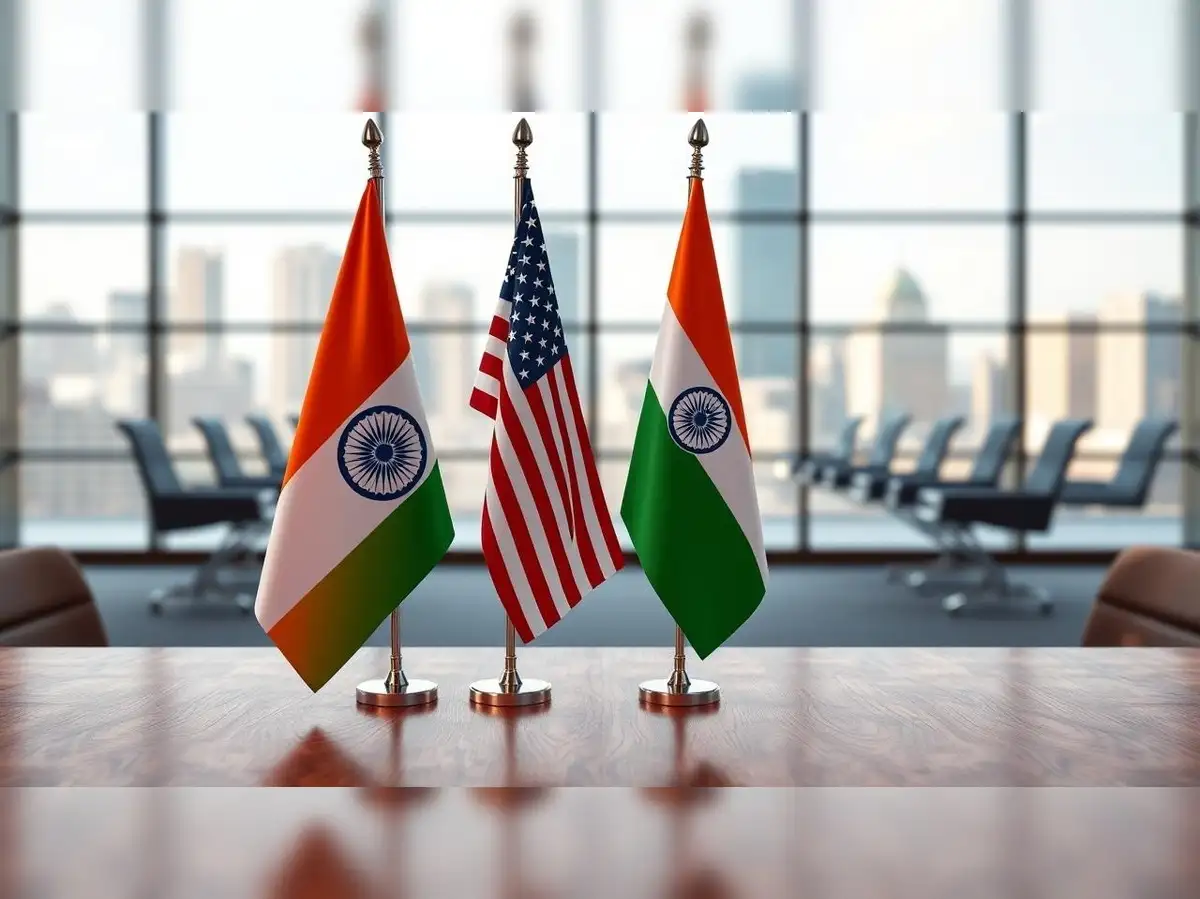
- US-India Relations: The handover strengthens trust between the two nations. It’s also a signal to other countries about working together against terror.
- Pakistan’s Role: India has long claimed Pakistan helped LeT. Rana’s trial might shed light on this, though Pakistan insists it’s not involved.
At AMERICA NEWS WORLD, we’ve tracked similar global stories. For instance, our recent piece on international counter-terrorism efforts shows how nations unite to fight threats.
Data and Insights
Let’s look at some numbers to put this in context.
| Metric | Details |
|---|---|
| Lives Lost in 26/11 | 166 (including 6 Americans) |
| Injured | Over 300 |
| Attackers | 10 (9 killed, 1 captured) |
| Rana’s Sentence in US | 14 years (served 7, released early in 2020) |
| Years Since Attacks | 16 (2008–2025) |
| Extradition Process | Began in 2020, finalized in 2025 |
Graph: Timeline of Rana’s Case
(Interactive graph embedded below for mobile and desktop compatibility)
- 2008: Mumbai attacks occur.
- 2009: Rana arrested.
- 2013: Sentenced in US.
- 2020: Released, India requests extradition.
- 2025: Extradited to India.
(Note: For full interactivity, visit america112.com/rana-timeline.)
Voices from the Ground
What do people think? On platforms like Quora, users often ask:
- “Will Rana’s trial bring closure for 26/11 victims?”
- “How did he avoid extradition for so long?”
Readers want clear answers. They also want to know if this case will change how countries handle terrorism. Our team at AMERICA NEWS WORLD dug into these questions to give you the full picture.
why you should know?
Whether you’re in India, the US, or anywhere else, this story matters. Terrorism doesn’t stop at borders. The Mumbai attacks hit people from all walks of life—tourists, workers, families. By following Rana’s case, we learn how to prevent future tragedies.
Plus, it’s a reminder of resilience. Mumbai bounced back after 26/11, and victims’ families keep pushing for justice. As Indian Home Minister Amit Shah said on X, “No one who harms India will escape.”
What’s Coming?
Rana’s trial could take months. Will it bring new evidence? Will it strain India-Pakistan ties? We’ll keep you posted at AMERICA NEWS WORLD. For now, his extradition is a milestone—one that says justice might be slow, but it’s coming.
Discover more from AMERICA NEWS WORLD
Subscribe to get the latest posts sent to your email.












![Reliance Industries, led by Chairman Mukesh Ambani, has exported products made from Russian crude oil to countries that have sanctioned Russia, including the US [File: Ajit Solanki/AP Photo]](https://america112.com/wp-content/uploads/2025/08/AP24010199793503-1755298275.webp)

![Smoke rises after Israeli strikes in Beirut's southern suburbs, on March 2 [Mohamad Azakir/Reuters]](https://america112.com/wp-content/uploads/2026/03/hgh.webp)