By_shalini oraon

Beyond the Headlines: Decoding the Modi-Trump “Warm and Engaging” Dialogue
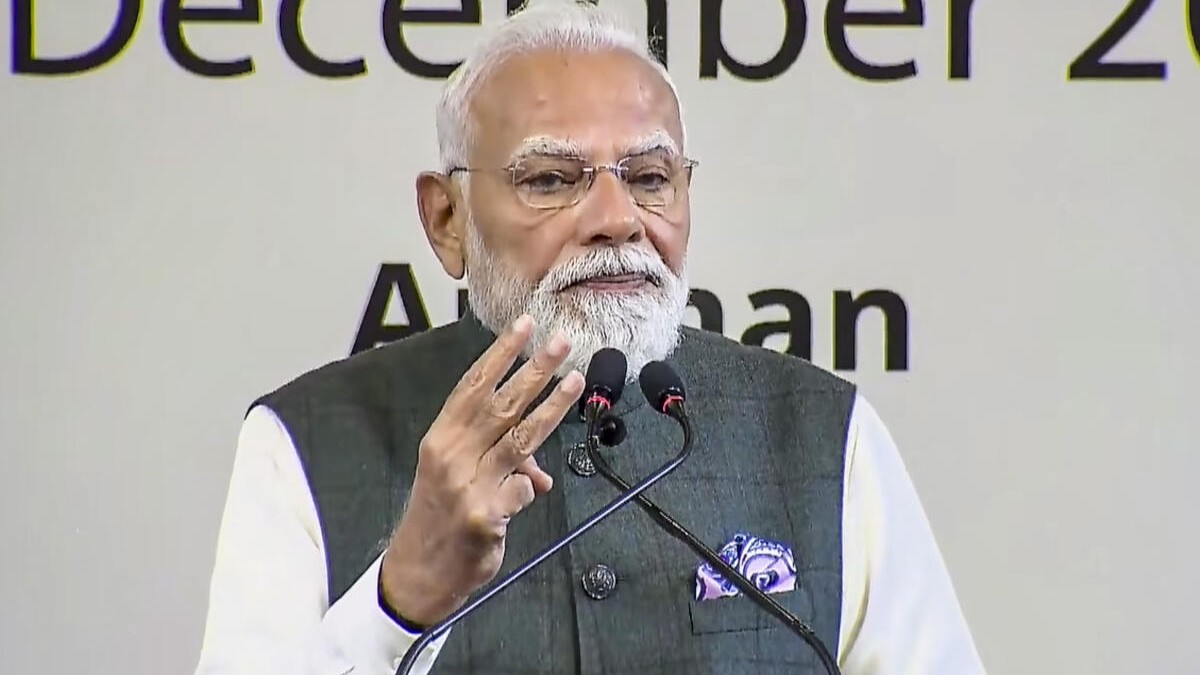
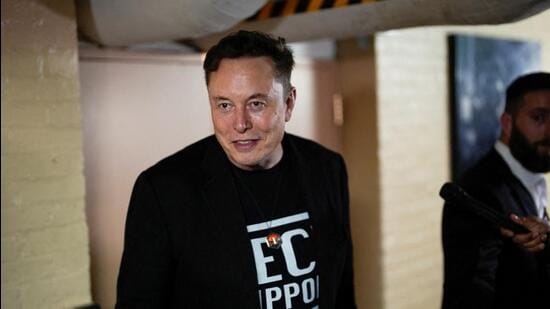
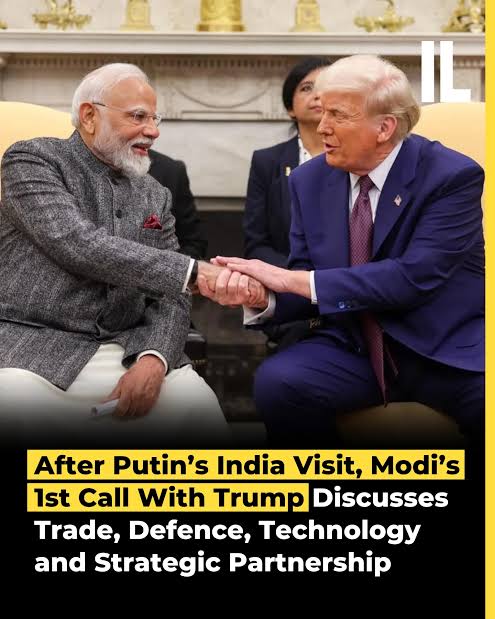
The recent phone conversation between Prime Minister Narendra Modi and former US President Donald Trump, following the latter’s victory in the Republican presidential primaries, has reverberated through diplomatic and geopolitical circles. Described officially as “warm and engaging,” the discussion, which touched upon the critical pillars of bilateral trade, energy, and defence, was more than a routine congratulatory call. It was a significant, forward-looking dialogue that set the stage for a potential rekindling of a uniquely consequential partnership, should Trump return to the Oval Office.
The Foundation of a Previous “Chemistry”
To understand the subtext of this conversation, one must first recall the distinctive nature of the Modi-Trump rapport during Trump’s first term (2017-2021). Despite occasional friction on trade issues, the two leaders shared a personal chemistry built on a similar style of direct, nationalist politics and a focus on transactional diplomacy. Their tenure saw landmark strides in defence and strategic cooperation, most notably the foundational Communications Compatibility and Security Agreement (COMCASA) in 2018 and the elevation of the quadrilateral dialogue with Japan and Australia (the Quad) to a ministerial level. The conversation likely served to reaffirm this established comfort, ensuring continuity in a key personal relationship on the global stage.
Deconstructing the Three Pillars
1. Bilateral Trade: Navigating Past Frictions for Future Gains
The trade agenda is perhaps the most complex.The Trump administration withdrew India’s Generalized System of Preferences (GSP) benefits and consistently pressured New Delhi over what it perceived as unfair trade practices and high tariffs. While a limited trade deal was discussed, a comprehensive one remained elusive. In this call, both leaders likely acknowledged past tensions while expressing a desire to forge a “fair” and “reciprocal” framework—a favourite Trump lexicon. For Modi, the objective would be to secure stable trade terms, attract American manufacturing as part of the “China-plus-one” strategy, and possibly seek a restoration of some benefits. For Trump, the focus would be on reducing the US trade deficit with India and securing better market access for American farmers and tech companies. The discussion was likely less about details and more about establishing a political intent to resolve lingering disputes more decisively in a potential second term.
2. Energy: A Partnership of Mutual Strategic Benefit
Energy has been a success story in the relationship.Under Trump, the US became a significant supplier of oil and liquefied natural gas (LNG) to India, helping diversify New Delhi’s energy imports away from geopolitical hotspots. This dovetailed perfectly with Trump’s goal of promoting American “energy dominance.” In their talk, this area would have been a point of positive reinforcement. Modi’s India, with its burgeoning energy needs, seeks reliable, long-term contracts. A Trump administration would be eager to lock in a major buyer for its hydrocarbon exports. Furthermore, discussions likely extended to collaboration in clean energy—like solar and nuclear technology—where American companies seek opportunities in India’s vast market. This pillar represents a clear alignment of interests with minimal political friction.
3. Defence: The Cornerstone of the Strategic Partnership
Defence is the most robust and strategically vital element.The US has become a major defence partner for India, with over $20 billion in acquisitions in recent years. The Trump era saw the signing of COMCASA, enabling encrypted communications between US and Indian military systems, and the initiation of the tri-service Tiger Triumph exercises. The conversation certainly involved a review of this progress and a commitment to further deepen ties. Key agenda items for a future Trump term would include:
· Finalising the remaining foundational pact: The Industrial Security Annex (ISA) to facilitate private sector collaboration.
· “Make in India” and Technology Transfer: Navigating Trump’s “America First” policy with Modi’s push for indigenous manufacturing. Discussions would centre on co-production and technology-sharing deals, like the ongoing GE fighter jet engine agreement.
· Countering China: This is the unspoken, overarching theme. Both leaders view a assertive China as a primary strategic challenge. Strengthening India’s defence capabilities through American hardware and intelligence-sharing is seen in Washington as crucial for a free and open Indo-Pacific. Trump’s likely emphasis on getting allies and partners to bear more of the defence burden aligns with India’s own military modernisation goals.
The Geopolitical Subtext: Autonomy, Alignment, and the China Factor
Beyond the three stated topics, the call’s significance lies in its timing and geopolitical messaging. For Modi, engaging Trump early is a masterstroke of diplomatic hedging, ensuring India is not caught off-guard by potential volatility in US policy. It reaffirms India’s commitment to the partnership while safeguarding its strategic autonomy—a delicate balance New Delhi always maintains.
For Trump, the call signals that, despite his often isolationist rhetoric, he values key strategic partnerships that serve clear American interests, especially in counterbalancing China. It reassures allies and partners in the Indo-Pacific that a second Trump term might prioritise bilateral “deals” over multilateral frameworks but would not necessarily abandon the region’s geopolitical contest.
Conclusion: A Prelude to a Pragmatic Chapter
The “warm and engaging” call between Modi and Trump was not a nostalgia trip. It was a pragmatic, forward-looking dialogue between two leaders familiar with each other’s playbooks. It acknowledged past trade disagreements while highlighting the successes in defence and energy. Most importantly, it laid a preliminary wireframe for managing the world’s most significant bilateral relationship—one that is critical for global trade flows, regional security, and the balance of power in the Indo-Pacific.
Should a Modi-Trump chapter reopen in 2025, it will likely be characterised by hard-nosed negotiations on trade, ambitious co-production in defence, and a shared, though differently articulated, goal of constraining China’s influence. The warmth of the conversation suggests a channel to manage disagreements, but the engagement on substantive issues confirms that the partnership has matured into one where strategic necessity ultimately transcends political idiosyncrasies. The foundation for a pragmatic and potentially transformative phase in India-US relations has been quietly, but firmly, reaffirmed.
Discover more from AMERICA NEWS WORLD
Subscribe to get the latest posts sent to your email.