By_shalini oraon

The Matriarch and the Martyr: Khaleda Zia’s Enduring, Tumultuous Legacy
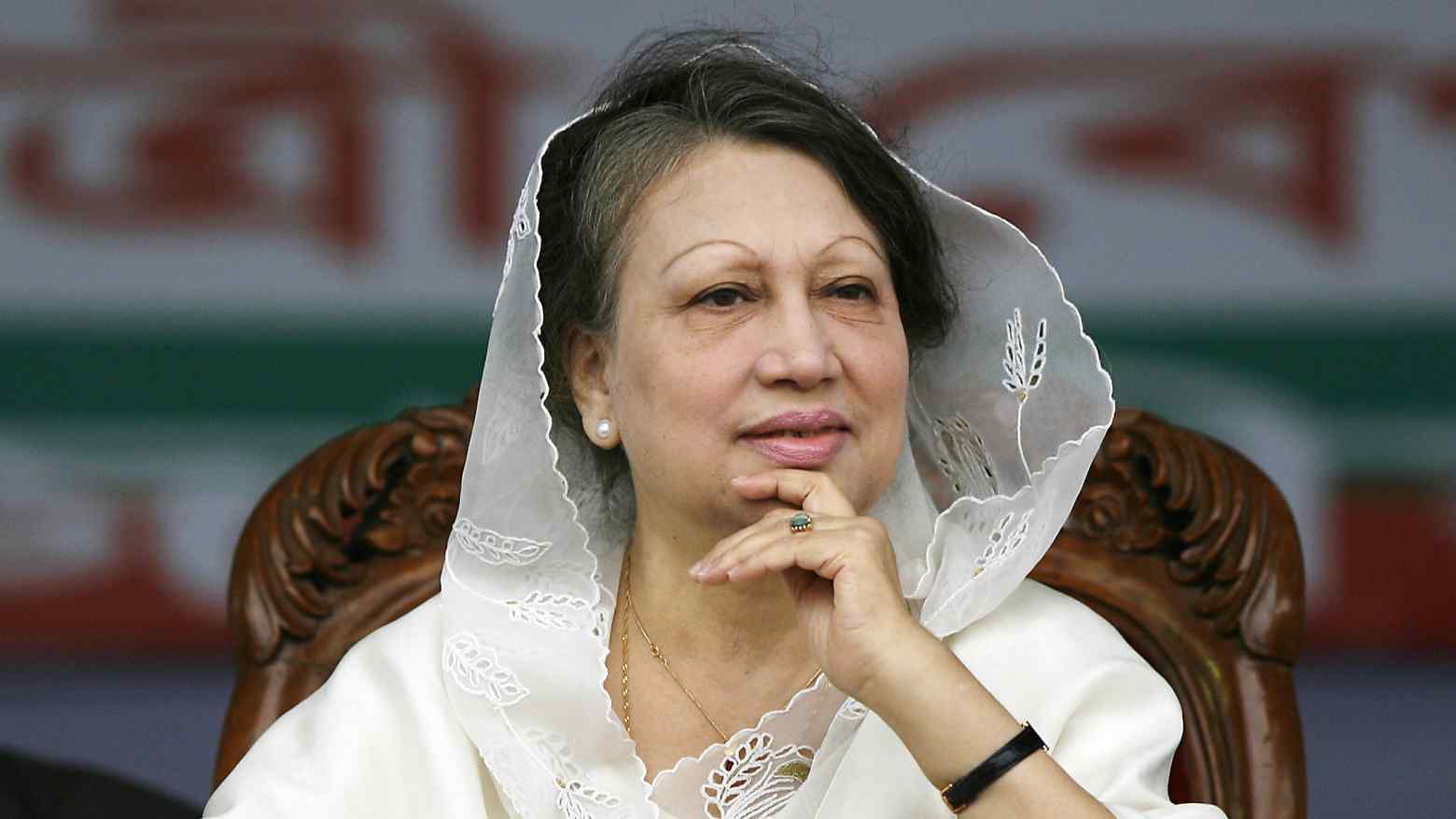
The news reverberated across the political landscape of South Asia with the solemn finality of a closing chapter: Begum Khaleda Zia, Bangladesh’s first female Prime Minister and a towering, polarizing figure in the nation’s history, has died at the age of 80. Her passing is not merely the death of a former head of government; it is the quietus of a political titan whose life was inextricably woven into the bloody tapestry of Bangladesh’s post-independence story. From the trauma of liberation war widowhood to the pinnacle of power, and finally to a frail octogenarian embroiled in legal battles and ill health, her journey mirrors the nation’s own turbulent quest for democracy, identity, and governance.
From Grief to Throne: The Reluctant Politician
Khaleda Zia’s ascent was forged in personal tragedy. Born in 1945 into a modest family in what was then British India, her life took a decisive turn when she married Ziaur Rahman, a dashing military officer. Ziaur Rahman would become a war hero in Bangladesh’s 1971 Liberation War and later the country’s president. His assassination in 1981 cast Khaleda, then a housewife and mother of two, into a role she had never sought: the grieving widow and the symbolic heir to her husband’s political legacy.
Thrust onto the center stage, she reluctantly took the helm of the Bangladesh Nationalist Party (BNP), which her husband had founded. In the tumultuous, coup-ridden 1980s, she emerged as the unifying figure for the anti-autocracy movement against military ruler Hussain Muhammad Ershad. With her trademark white sari and orna (scarf), a deliberate echo of her widow’s weeds transformed into a symbol of resolve, she mobilized the masses. Her political rhetoric was simple, direct, and powerfully emotive, rooted in her husband’s nationalist “Bangladeshi” ideology, which emphasized the nation’s Muslim identity alongside its Bengali character—a pointed contrast to the more secular Bengali nationalism of her chief rival, the Awami League’s Sheikh Hasina.
The Iron Lady in Power: A Record of Contrasts
Khaleda Zia made history in 1991, leading the BNP to victory and becoming the first woman to lead a democratic government in a Muslim-majority nation. Her three terms as Prime Minister (1991-1996, 2001-2006) were periods of profound transformation and deep contention.
Her supporters point to a legacy of economic pragmatism and infrastructure development. Her governments embraced economic liberalization, encouraged private sector growth, and initiated critical infrastructure projects. She championed microfinance programs that empowered rural women, a demographic that became a loyal part of her political base. In foreign policy, she cultivated closer ties with China, Pakistan, and conservative Muslim nations, steering Bangladesh on a distinct geopolitical path.
However, her tenures were equally defined by bitter political warfare. The 1990s inaugurated the era of what Bangladeshis call the battle of the begums—the relentless, often violent feud between Khaleda Zia and Sheikh Hasina (daughter of the nation’s founding father, Sheikh Mujibur Rahman). Parliament became a theater of boycotts and walkouts; the streets witnessed paralyzing hartals (strikes) that crippled the economy and claimed lives. Her final term, from 2001-2006, was particularly scarred by allegations of pervasive corruption, politicization of institutions, and a deteriorating law-and-order situation, including a brutal crackdown on opposition activists and a deadly Islamist militant campaign.
Decline, Incarceration, and a Frail Twilight
The descent from power was steep. After a military-backed caretaker government intervened in 2007, Khaleda Zia was imprisoned on corruption charges—a move her party decried as politically motivated vendetta. Though released to contest the 2008 election, which she lost overwhelmingly, the legal net tightened again later. In 2018, she was convicted in a graft case and sent to a dilapidated jailhouse, her health deteriorating markedly.
The final years were a poignant spectacle of political stalemate and physical decline. Freed in 2020 on humanitarian grounds during the pandemic, she lived a restricted life, largely out of public view, grappling with severe liver and heart ailments. The government’s reported reluctance to allow her to seek advanced treatment abroad became the last, sad point of contention in her lifelong duel with the Awami League. Her death, therefore, comes with a complex political subtext, closing the book on one of the two pillars of a duopoly that defined, and some would say paralyzed, Bangladeshi politics for three decades.
A Legacy of Duality and Durability
Assessing Khaleda Zia’s legacy demands navigating a minefield of admiration and animosity. To her millions of supporters, she was “Khaleda Apa” (Sister Khaleda)—a resilient mother figure who rose from ashes to champion the cause of the masses, a defender of nationalist and Islamic values against the secular elite. She proved that a woman from a traditional background could not only enter but dominate the brutal arena of Bangladeshi politics through sheer grit.
To her detractors, she was a divisive populist whose governments institutionalized corruption, undermined democratic norms through confrontational politics, and cynically used religion and patronage to maintain power. The debilitating cycle of zero-sum political warfare she helped perpetuate is seen as a major obstacle to the country’s democratic consolidation.
Objectively, her impact is undeniable. She democratized conservative politics, bringing women and rural voters into the fold in unprecedented numbers. Alongside Sheikh Hasina, she normalized female leadership in a region where it remains rare. Her rivalry with Hasina, while destructive, also represented a fragile, if fiery, democratic alternation of power for much of the 1990s and early 2000s.
In her death, Bangladesh loses a foundational figure. The era of the two begums, locked in existential combat, is now definitively over, with Sheikh Hasina holding unprecedented, uncontested power. Khaleda Zia’s story—of tragedy, power, fall, and resilience—is ultimately Bangladesh’s own story: a narrative of immense potential perpetually grappling with the ghosts of its violent past and the contentious politics of its present. Her life reminds us that in nations born from struggle, the personal and the political are forever inseparable, and legacies are never written in black and white, but in the enduring, tumultuous shades of history.
Discover more from AMERICA NEWS WORLD
Subscribe to get the latest posts sent to your email.

![Smoke rises after Israeli strikes in Beirut's southern suburbs, on March 2 [Mohamad Azakir/Reuters]](https://america112.com/wp-content/uploads/2026/03/hgh.webp)