By_shalini oraon

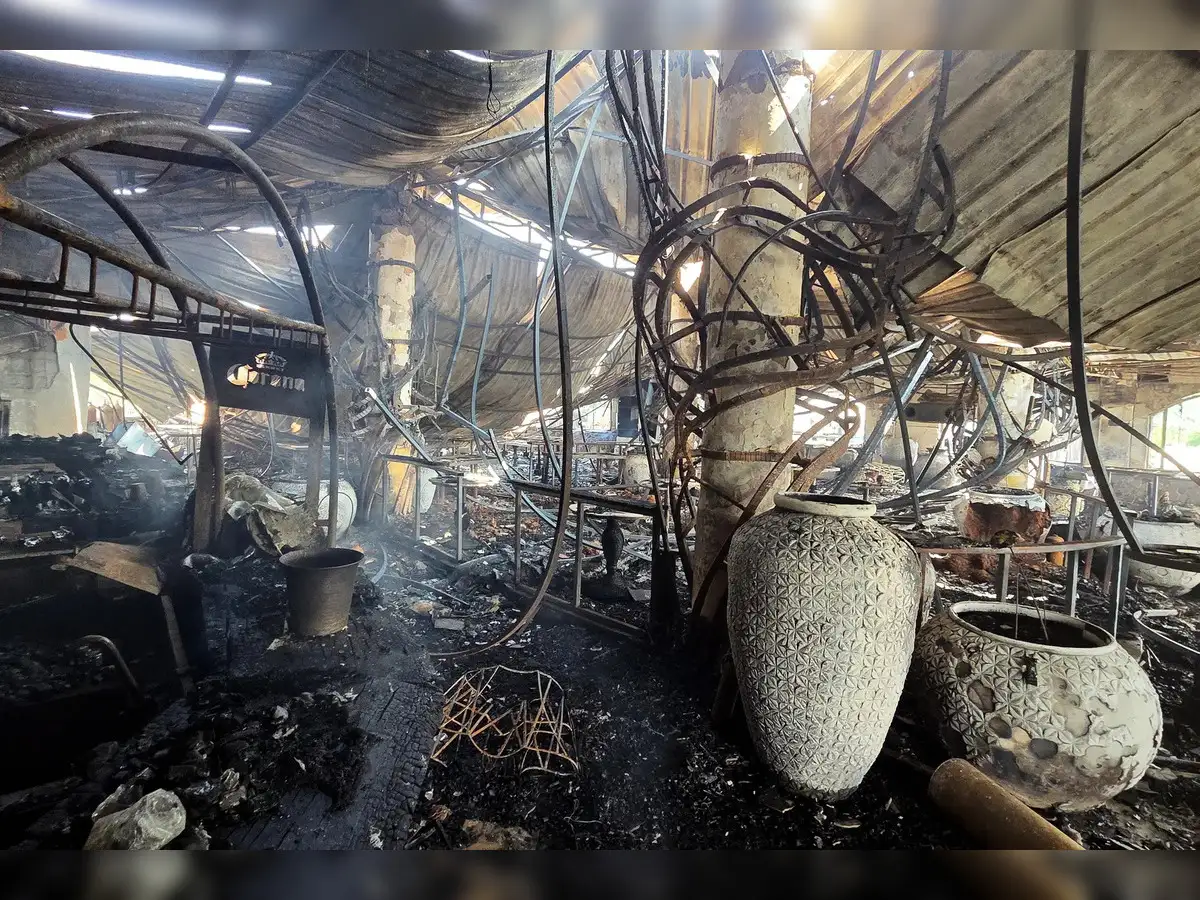
_the Ethiopian volcanic ash cloud affecting India.
—
The Unseen Wall: How a Distant Volcano Paralyzed Skies Over India
In our interconnected world, a crisis in one corner of the globe rarely remains contained. This truth was starkly demonstrated recently when a volcanic eruption in the rugged highlands of Ethiopia sent a silent, invisible wall of ash drifting thousands of kilometers across the Arabian Sea, culminating in the unprecedented cancellation of multiple flights over India. This event was more than a travel inconvenience; it was a powerful reminder of nature’s supremacy over human technology and the intricate vulnerabilities of our modern aviation ecosystem.
The source of this transcontinental disruption was Mount Erta Ale, one of Ethiopia’s most active volcanoes. Often called the “Smoking Mountain” and home to one of the world’s few persistent lava lakes, Erta Ale entered a particularly vigorous phase of eruption. While its fiery spectacle is largely confined to its remote location in the Afar Depression, the real threat travels invisibly on the wind. The eruption spewed vast quantities of volcanic ash—a mixture of fine rock, mineral, and glass particles—high into the atmosphere, where it was caught by the prevailing westerly winds.
The Invisible Peril: Why Ash and Aircraft Don’t Mix
To the casual observer, a haze in the sky might not seem menacing. But for aviation, volcanic ash is the equivalent of kryptonite. The cancellation of flights over India, a region with no active volcanoes, might seem like an overreaction, but it is a precaution born from harrowing experience and hard science.
The primary danger lies in the composition of the ash. These are not soft, fluffy particles like wood ash; they are sharp, abrasive fragments of rock and glass. When ingested into a jet engine, which operates at temperatures high enough to melt metal, the ash melts inside the combustion chamber. It then re-solidifies on the cooler turbine blades, forming a glassy coating that can disrupt airflow, cause engine stall, and, in a worst-case scenario, lead to a complete shutdown. The 1989 incident involving a Boeing 747 of KLM Flight 867, which flew into an ash cloud from Mount Redoubt in Alaska and lost all four engines, serves as a chilling testament to this risk.
Beyond the engines, ash sandblasts windshields, rendering them opaque for pilots. It contaminates cabin air, posing a health risk to passengers and crew. It can clog pitot tubes (which measure airspeed) and damage critical avionics and airframe systems. Given that modern aircraft have no onboard technology to detect ash clouds, the only safe course of action is to avoid them entirely.
From Ethiopian Highlands to Indian Skies: The Atmospheric Pathway
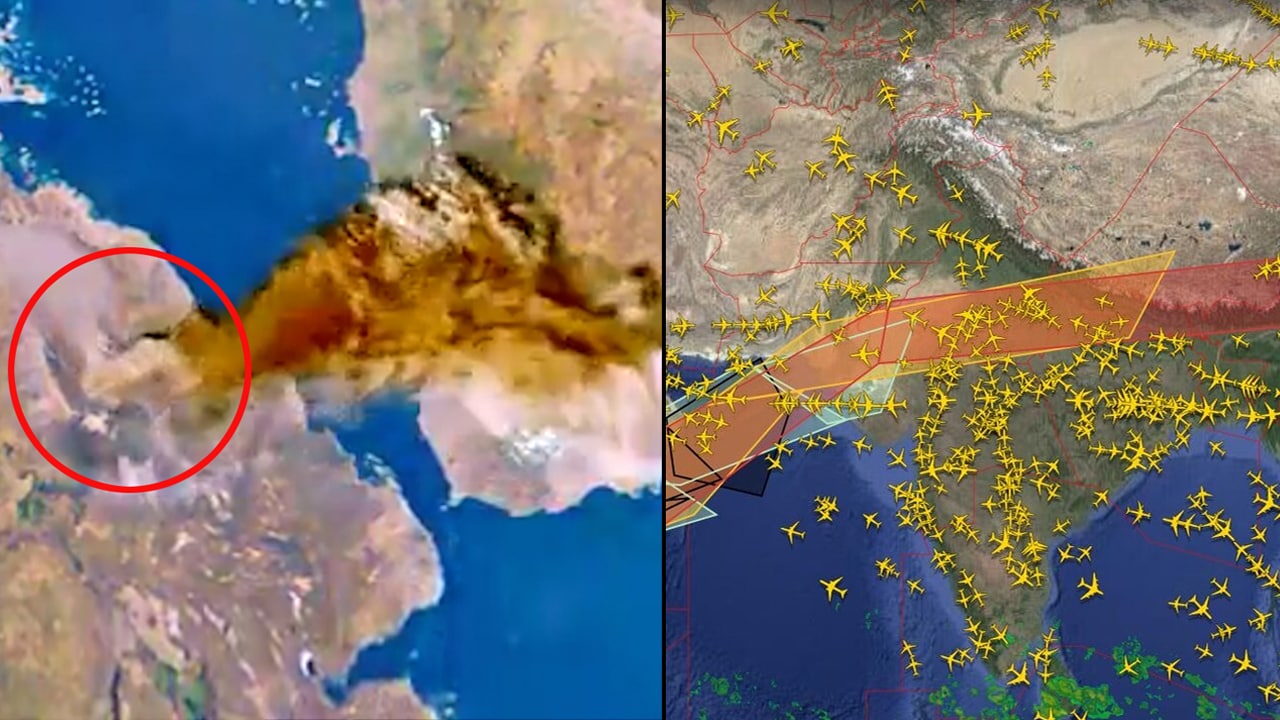
The journey of the Erta Ale ash cloud to India is a story written in the language of meteorology. Following the eruption, the volcanic ash and sulfur dioxide gas were ejected into the stratosphere, where they are beyond the reach of most weather phenomena that would otherwise disperse them. The jet stream, a powerful, high-altitude river of air, then became the conveyor belt, transporting the plume eastwards across the Arabian Peninsula and over the Arabian Sea.
Volcanic Ash Advisory Centers (VAACs), which are part of a global network managed by the International Civil Aviation Organization (ICAO), tracked this plume meticulously. Using satellite data, atmospheric dispersion models, and pilot reports, the London VAAC, responsible for this region, issued regular advisories mapping the predicted movement and density of the ash cloud. When their models showed the high-probability path of the ash crossing into the flight information regions (FIRs) controlled by Mumbai and Delhi, the alarm bells rang.
The Domino Effect: Cancellations, Chaos, and Economic Ripple
The decision to cancel flights is never taken lightly. Airlines, airport authorities, and India’s Directorate General of Civil Aviation (DGCA) were faced with a critical decision. The ash cloud was not a solid, visible mass but a diffuse, high-altitude haze. Its density varied, creating areas of high and low risk. However, the “zero-tolerance” policy born from past disasters meant that even a low probability of encounter was deemed unacceptable for commercial flights.
The cancellations were targeted, primarily affecting:
· West-bound long-haul flights: Flights from Indian metros like Delhi, Mumbai, and Bengaluru to destinations in Europe, the Middle East, and Africa were most at risk, as their flight paths would take them directly into the projected ash corridor.
· International routes over the Arabian Sea: Any flight plan that traversed the affected airspace was scrutinized and often cancelled as a precaution.
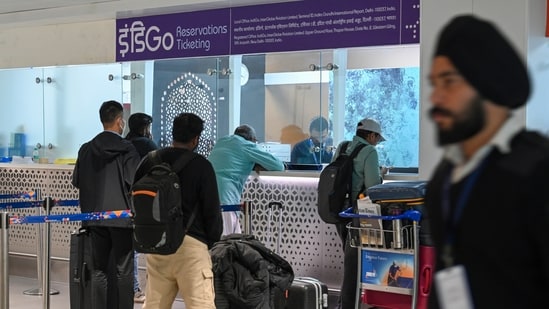
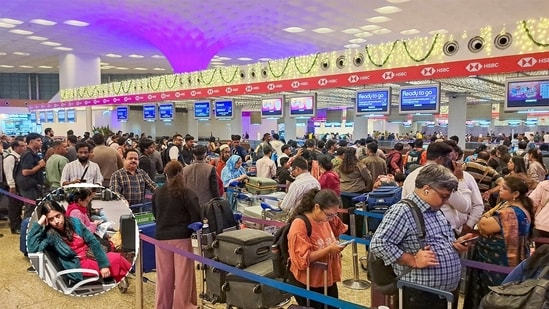
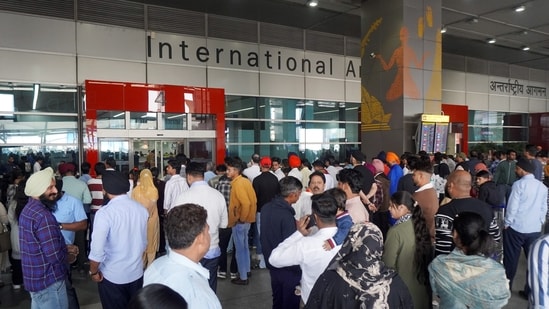
The immediate impact was travel chaos. Airports saw stranded passengers, long queues at help desks, and a cascade of rescheduling nightmares. The economic ripple effect was significant. Airlines faced direct revenue loss from cancelled tickets, alongside incurred costs of rerouting aircraft, accommodating passengers, and managing logistical nightmares. The disruption to cargo flights further strained supply chains, affecting the timely delivery of perishable goods and high-value commodities.
A Wake-Up Call for Global Aviation Preparedness
This event, while disruptive, served as a successful test of the global aviation safety protocols put in place after the 2010 Eyjafjallajökull eruption in Iceland, which caused the largest air traffic shutdown since World War II. That event exposed critical gaps in ash forecasting and risk assessment. In the years since, the system has been refined.
The handling of the Erta Ale ash cloud showed marked improvements:
1. Better Modeling: Advanced dispersion models allowed for more precise predictions of the ash cloud’s movement, enabling targeted, rather than blanket, cancellations.
2. Enhanced Satellite Surveillance: Satellites with specialized sensors can now better detect and quantify ash particles, even in diffuse concentrations.
3. Risk-Managed Approach: Regulators and airlines now work with a more nuanced understanding of ash concentration levels, allowing for potential rerouting instead of outright cancellation in lower-risk scenarios.
However, the incident also highlights lingering challenges. The public, and even some stakeholders, often struggle to understand the necessity of grounding flights for an “invisible” threat from a volcano thousands of miles away. Communication from airlines and authorities must be clear, timely, and educational to maintain trust.
Furthermore, as climate change potentially influences atmospheric circulation patterns, the pathways of such plumes could become less predictable. Investing in even more sophisticated monitoring technology and international collaboration is not just advisable; it is essential.
Conclusion
The cancellation of flights over India due to an Ethiopian volcano is a profound lesson in humility. It underscores that in our age of advanced technology, we remain tethered to the powerful and unpredictable forces of the natural world. The event was not a failure of the system, but rather its validation—a demonstration that the lessons of past near-catastrophes have been learned. The skies over India fell silent not out of fear, but out of a hard-won respect for the silent, drifting wall of ash—a testament to the fact that when nature speaks, the only responsible choice is to listen.
Discover more from AMERICA NEWS WORLD
Subscribe to get the latest posts sent to your email.