By_shalini oraon

Of Principles and Pragmatism: Decoding Owaisi’s Conditional Offer to Nitish Kumar
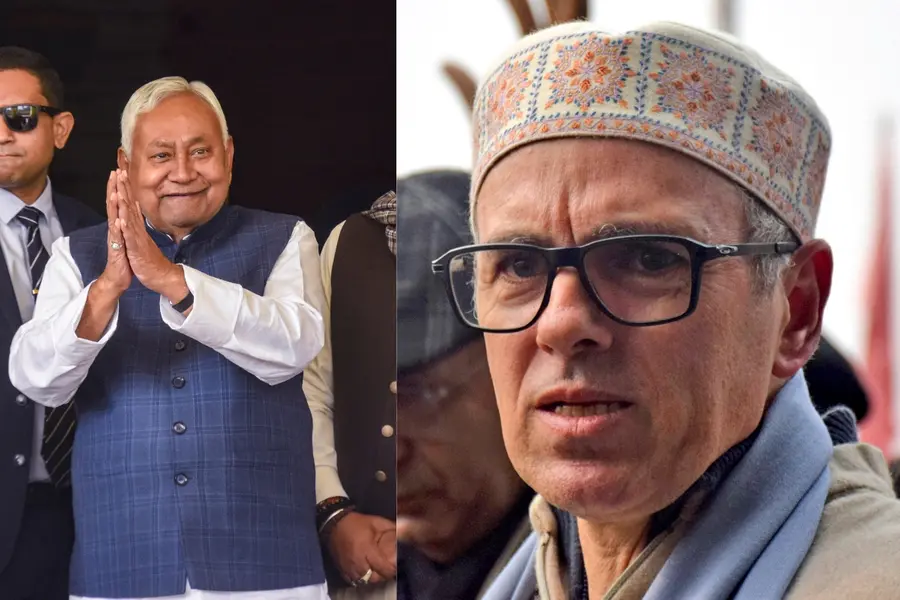
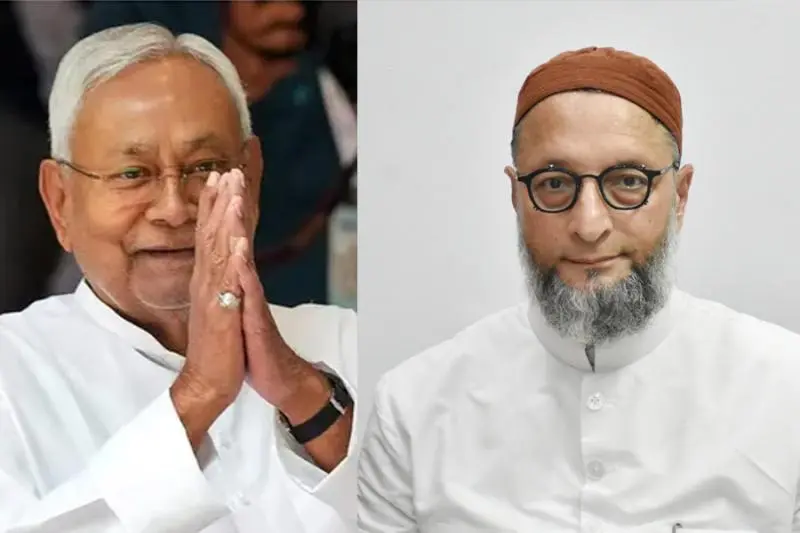
In the perpetually fluid chessboard of Indian politics, a statement from a key player can send ripples across the national landscape. The recent declaration by Asaduddin Owaisi, the firebrand president of the All India Majlis-e-Ittehadul Muslimeen (AIMIM), that he is ready to support a Nitish Kumar-led government in Bihar, albeit with a single, significant condition, is one such move. This is not merely a tactical gambit in Bihar’s politics; it is a statement of intent, a reflection of a shifting political paradigm, and a masterclass in identity politics with national implications. To understand its full weight, one must dissect the actor, the context, the unstated condition, and the potential reverberations.
The Man and The Mission: Asaduddin Owaisi’s Political Project
Asaduddin Owaisi is arguably one of the most articulate and strategically astute voices representing Muslim political assertion in India today. His politics is built on a foundation of unapologetic advocacy for the rights and dignity of Muslims, positioned firmly against what he perceives as the systemic marginalization of the community by both the ruling BJP and the mainstream opposition, particularly the Congress and its allies. His strategy is twofold: first, to consolidate the Muslim vote as a distinct political bloc rather than a default vote bank for the “secular” parties, and second, to expand his party’s footprint beyond its traditional stronghold of Hyderabad.
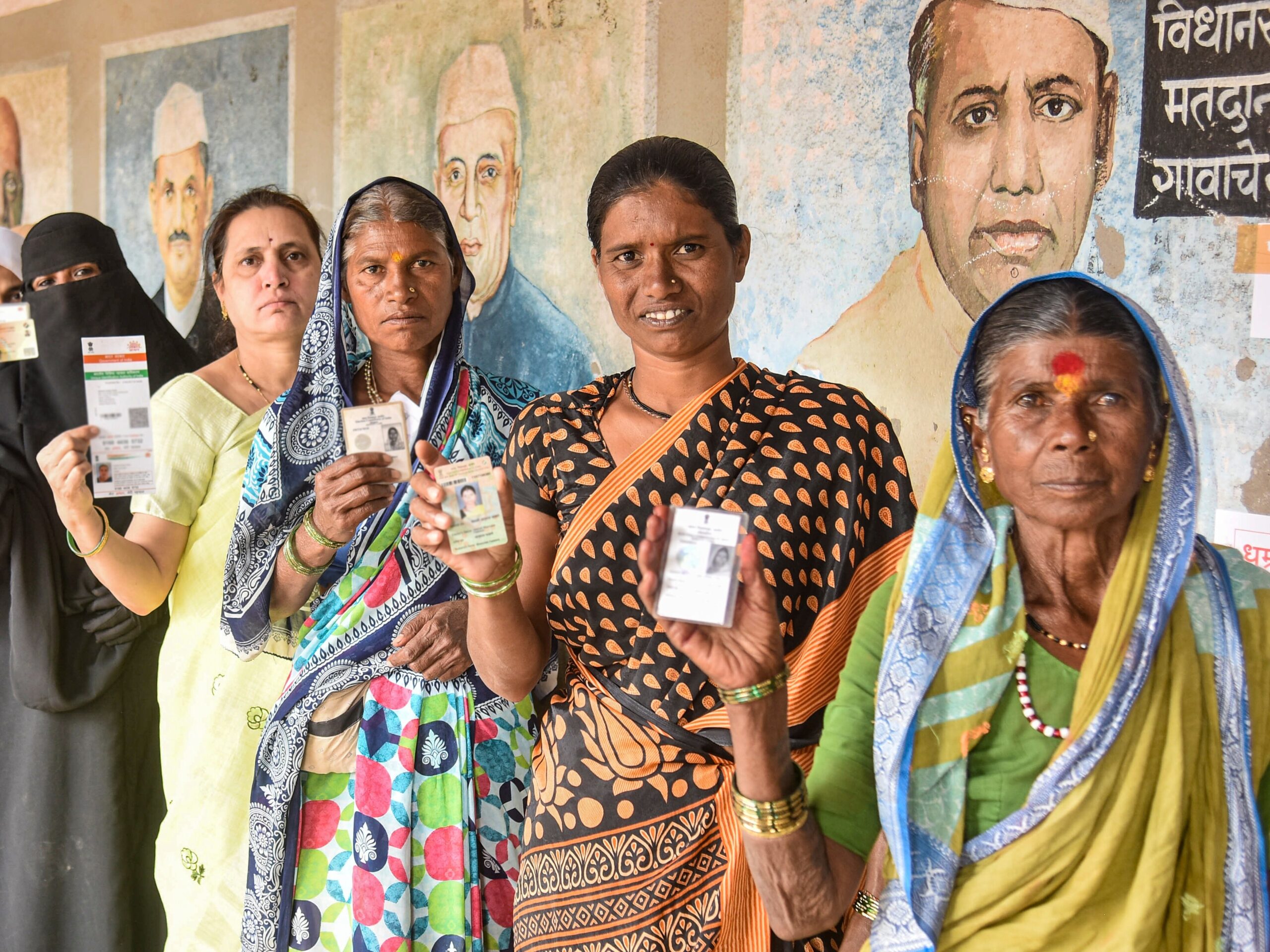
Bihar, with its significant Muslim population (around 17% of the state), has been a key battleground in this expansion project. By winning five seats in the 2020 Bihar Assembly elections, the AIMIM broke the monopoly of the Mahagathbandhan (Grand Alliance) over the Muslim vote. Owaisi’s statement, therefore, must be seen as a continuation of this project—an attempt to position the AIMIM as a pivotal, king-making force that cannot be ignored.
The Condition: The Unstated Core
While the headlines scream “one condition,” Owaisi’s specific demand is crucial. He has stated his support is contingent on the government “working for the welfare of all, especially the weaker sections and minorities, and upholding the Constitution.”
On the surface, this sounds like a generic, almost obligatory, statement every politician is expected to make. However, in the charged context of contemporary India, this is a deeply loaded and strategic condition. It is a political Rorschach test, interpreted differently by different audiences.
1. For the Muslim Constituency: For his core voters, the promise to work for “minorities” is a direct commitment to their safety, security, and socio-economic development. It is a pledge against laws and policies they view as discriminatory, such as the Citizenship Amendment Act (CAA) or policies around madrassas. It is a guarantee that their issues—from police bias to educational backwardness—will be addressed proactively. “Upholding the Constitution” is a dog whistle for protecting the principles of secularism and equality, which they feel are under threat.
2. For the Broader Public: For a wider audience, framing the condition around “weaker sections” and “all” allows Owaisi to project a inclusive, Samajwadi (socialist) image, preventing his party from being pigeonholed as a solely Muslim-centric outfit. It aligns him with the language of social justice, a potent force in Bihar’s politics.
3. As a Political Trap: This condition is also a masterful trap for Nitish Kumar and the Mahagathbandhan. If they refuse his support, they can be portrayed as unwilling to commit to the welfare of minorities and the Constitution. If they accept, Owaisi gains immense legitimacy and a seat at the high table, from where he can further erode the traditional base of the RJD and Congress. It forces them to publicly acknowledge him as a stakeholder, thereby breaking their long-standing narrative that he is a “vote-katwa” (vote-splitter) who indirectly helps the BJP.
The Context: Nitish Kumar’s Diminished Stature and a Weakened Mahagathbandhan
The timing of this offer is impeccable. Nitish Kumar, the perennial survivor of Bihar politics, is at his most vulnerable. His party, the Janata Dal (United), has been consistently shrinking, and his own credibility has taken a hit due to his frequent political flip-flops. The Mahagathbandhan, despite being in power, is an uneasy alliance, with the RJD being the senior partner. The Congress is a weakened force.
In this scenario, Owaisi’s five MLAs, while not numerically significant for immediate survival, represent a symbolic and strategic threat. They are a constant reminder of the cracks in the opposition’s Muslim vote bank. By offering conditional support, Owaisi is essentially telling Nitish Kumar: “You are no longer in a position to dictate terms. Your alliance is fragile, and I hold the key to a part of your core constituency. Engage with me on my terms.”
The National Ramifications: A Message to the 2024 Lok Sabha Elections
The Bihar maneuver cannot be viewed in isolation. It is a opening salvo for the larger battle of the 2024 General Elections. Owaisi is sending a clear message to the entire opposition ecosystem, particularly the INDIA bloc, of which Nitish Kumar is a key architect.
The message is simple: The Muslim vote is not your inheritance; it is a negotiation.
By making this offer in Bihar, a state where the INDIA bloc needs to perform well to challenge the BJP at the centre, Owaisi is demonstrating his capacity to be a spoiler or a facilitator. He is forcing the national opposition to reconsider its strategy of marginalizing him. He is demanding recognition and a share of power in any prospective anti-BJP front, a demand that parties like the Congress and the RJD have been reluctant to entertain for fear of alienating their Hindu voters.
The Dilemma for Nitish Kumar and the Mahagathbandhan
Accepting Owaisi’s offer presents a profound dilemma:
· The Advantage: It potentially neutralizes a spoiler, secures a vocal advocate for a key constituency, and presents a picture of a more broad-based, inclusive alliance.
· The Peril: It risks alienating a section of upper-caste and Extremely Backward Class (EBC) voters who view Owaisi with deep suspicion. It would hand the BJP a potent propaganda weapon to paint the Mahagathbandhan as “appeasing” a “communal” force, thereby consolidating the Hindu vote in the BJP’s favour. Furthermore, it would cede significant political ground to Owaisi within the alliance, potentially giving him a veto on issues pertaining to the community.
Conclusion: The New Calculus of Power
Asaduddin Owaisi’s conditional support for Nitish Kumar is far more than a simple political offer. It is a sophisticated power play that underscores the evolving nature of identity politics in India. It moves the Muslim political discourse from passive allegiance to assertive bargaining. It challenges the comfortable duopoly that has often characterized the political arena and introduces a third, unpredictable force.
Whether Nitish Kumar accepts this offer or not is almost secondary to the statement’s success. Owaisi has already achieved a key objective: he has positioned himself as a principled, pragmatic, and pivotal player. He has demonstrated that his influence extends beyond the five legislators he commands; it lies in the substantial community he represents. In the high-stakes game of Indian politics, Owaisi has just reminded everyone that he is not just a player on the board, but one who is capable of changing the game itself. The condition has been set; the ball is now in the court of the established powers, and their response will reveal much about the fragile alliances and hard choices that will define India’s political future.
Discover more from AMERICA NEWS WORLD
Subscribe to get the latest posts sent to your email.