
By_shalini oraon

The Echo of Explosions and the Cry for Peace: A World Responds as Russia Strikes Kyiv
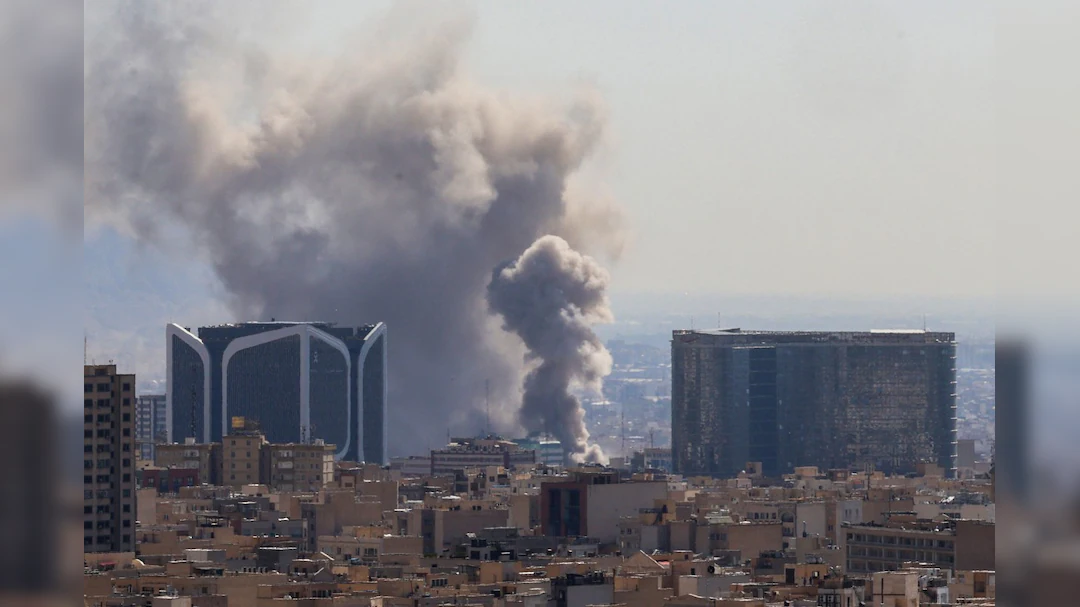
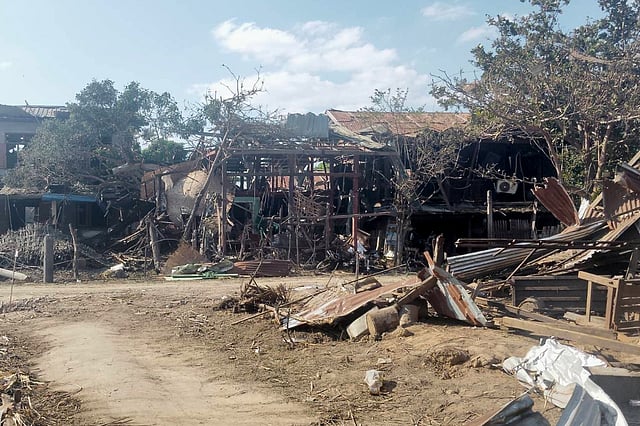
In the early morning darkness, the familiar, terrifying scream of air raid sirens once again pierced the air over Kyiv. What followed was the thunderous percussion of missile strikes, the shudder of impact, and plumes of smoke rising over a city that has become a global symbol of resilience. The latest large-scale Russian bombardment of Ukraine’s capital is not an isolated event, but a stark, violent punctuation mark in a war now well into its third year. Yet, with each explosion, another sound rises—a unified, global chorus of condemnation from world leaders, calling for peace and reiterating unwavering support for Ukraine. This dynamic—the brutal kinetic reality of war against the diplomatic and moral mobilization of nations—defines the current phase of the conflict.
The Attack: A Message of Terror and a Test of Defenses
The strikes on Kyiv, and across other Ukrainian regions, serve multiple strategic purposes for the Kremlin. Militarily, they aim to degrade Ukraine’s energy infrastructure, a tactic revisited from previous winters to plunge civilians into cold and darkness, crippling the economy and breaking civilian morale. They also seek to overwhelm and penetrate Ukraine’s increasingly sophisticated, Western-supplied air defense systems, a high-stakes game of cat and mouse where every intercepted missile is a success, and every hit a tragedy.
Politically, the timing of such attacks often coincides with international events—G7 meetings, NATO summits, or EU aid debates—serving as a brutal reminder of Russia’s capacity for violence and an attempt to sway European resolve. Psychologically, targeting Kyiv, the heart of the nation, is an act of terror designed to shatter any sense of normalcy. It is a direct assault on the seat of government and the spirit of a people who have refused to capitulate.
The Global Response: A Chorus of Condemnation and Commitment
Within hours of the attacks, the international response was swift and unequivocal. From the halls of the United Nations to the capitals of Europe and North America, a familiar, yet no less critical, script played out.
· The United States and the United Kingdom, as Ukraine’s primary military backers, led the charge in denouncing the “barbaric” attacks. U.S. officials reiterated their commitment to providing Ukraine with the air defense interceptors it desperately needs, a promise that translates directly into saved lives and protected infrastructure. British statements emphasized that such cruelty only strengthens the resolve to support Ukraine for “as long as it takes.”
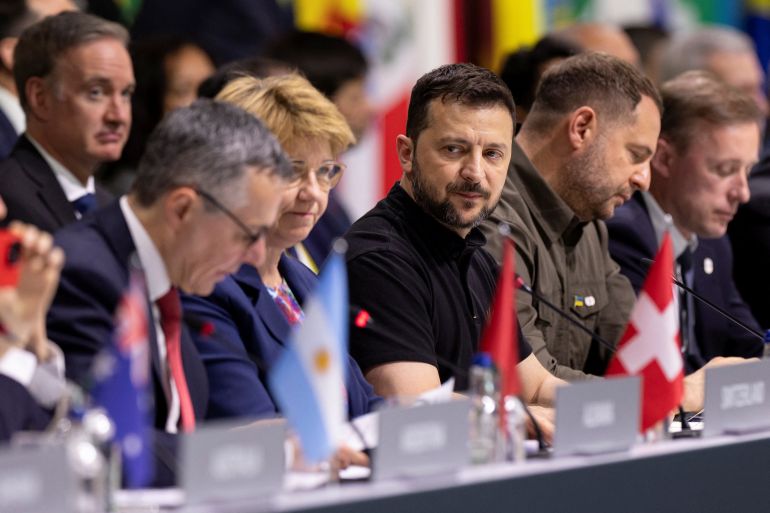
· European Union and NATO leaders framed the assault as an attack on European security itself. The President of the European Commission declared, “Our determination to support Ukraine is unwavering. Such atrocities bring us closer, not farther apart.” This sentiment is crucial, as it counters the Kremlin’s narrative that Western fatigue is inevitable. The immediate prioritization of accelerated military aid and energy equipment shipments became the tangible outcome of the verbal condemnations.
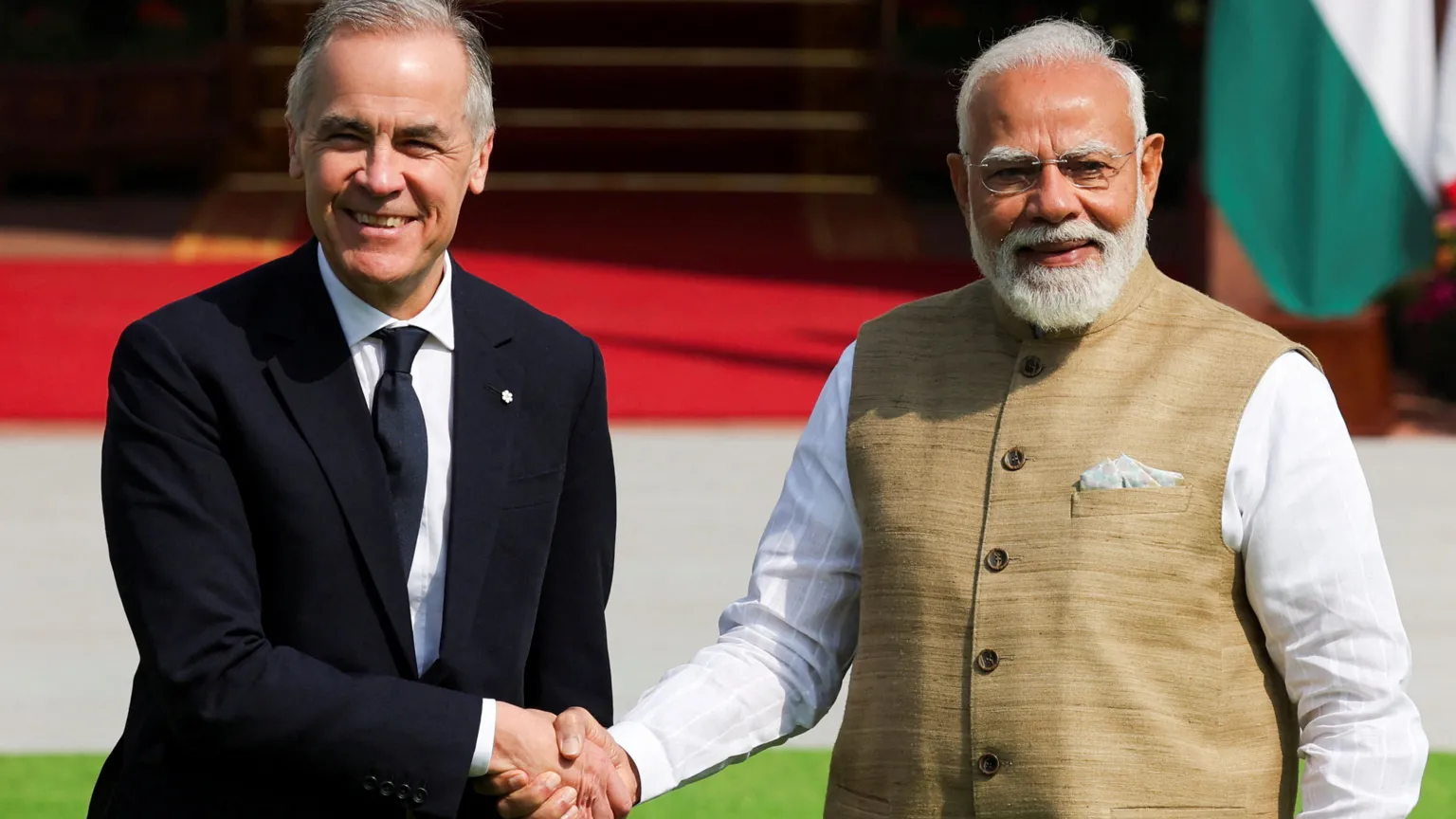
· The Global South and Non-Aligned Voices: The response here is more varied but increasingly significant. Nations like India and Brazil, while stopping short of direct military condemnation, have repeatedly expressed grave concern and called for an immediate cessation of hostilities and a return to diplomacy. Their focus is often on the global fallout: food security disrupted by Black Sea grain blockades and the economic instability that affects the developing world most acutely. Their calls for “peace” are rooted in these practical, existential concerns for their own populations.
The Dual Imperative: Peace and Support
The world leaders’ statements consistently fuse two concepts that, in the brutal logic of this war, are inseparable: the call for peace and the promise of sustained support. This is the central nuance often lost in simplified narratives. The “peace” being advocated by Ukraine’s partners is not a peace of surrender or frozen conflict, which would reward aggression and endanger Ukraine’s sovereign future. As Ukrainian President Volodymyr Zelenskyy has tirelessly stated, “A just peace is a peace after victory.”
Therefore, the support—in the form of artillery shells, Patriot batteries, F-16s, and financial aid—is framed not as an escalation, but as the essential precondition for a meaningful peace. The argument, articulated clearly by leaders from Warsaw to Washington, is that only by strengthening Ukraine’s position on the battlefield can it eventually negotiate from a position of strength. Military support is presented as the hard, necessary path to a durable diplomatic solution. Conversely, calls for a ceasefire without a Ukrainian capacity to defend itself are seen by Kyiv and its allies as a de facto ratification of Russian conquest, setting a catastrophic precedent for global security.
The Road Ahead: Resolve Amidst Exhaustion
The recurring cycle of attack and international response highlights the protracted nature of this struggle. For all the robust rhetoric, Western leaders face domestic political headwinds and concerns over resource allocation. The challenge is to transform the urgent, emotional condemnation following a strike on Kyiv into the sustained, bureaucratic, and politically costly commitment required for the long haul.
Meanwhile, for Ukrainians, the global statements of solidarity are both a moral lifeline and a source of anxiety. They listen closely for not just expressions of sympathy, but for concrete announcements: new weapons packages, timelines for delivery, and sanctions that truly cripple the Russian war machine.
The missiles that struck Kyiv were a brutal assertion of force. But the immediate, global wave of condemnation and renewed pledges of support represent a different kind of power—the collective will of a world order that, however imperfectly, is striving to defend a principle: that sovereign borders cannot be redrawn by artillery, and that a nation’s right to exist is not negotiable. The gap between the immediacy of the violence and the slower, complex machinery of international aid is where this war is won or lost. Every siren in Kyiv now triggers not just a scramble for shelter, but a renewed diplomatic scramble across capitals to ensure that the response to terror is not just words, but action powerful enough to one day silence the sirens for good.
Discover more from AMERICA NEWS WORLD
Subscribe to get the latest posts sent to your email.

![Smoke rises after Israeli strikes in Beirut's southern suburbs, on March 2 [Mohamad Azakir/Reuters]](https://america112.com/wp-content/uploads/2026/03/hgh.webp)









droversointeru
I know this if off topic but I’m looking into starting my own blog and was wondering what all is required to get set up? I’m assuming having a blog like yours would cost a pretty penny? I’m not very internet smart so I’m not 100 certain. Any recommendations or advice would be greatly appreciated. Thank you