

america news world 2025 Tech Trends Spark Hope and Power Growth
Discover ANW top tech trends for 2025 – AI, blockchain, and more reshaping businesses. Read now at AMERICA NEWS WORLD!
Top Technology Trends 2025
Hey there, tech fans! Today, we’re diving into some exciting news from ANWa big name in IT software and app development. They just dropped a massive report on the top technology trends for 2025, and it’s packed with ideas that could change the game for businesses everywhere. At AMERICA NEWS WORLD (ANW) – your go-to spot at america112.com – we’re breaking it all down for you. Whether you’re in India, the USA, or anywhere else, this is stuff you’ll want to know. Let’s hop in!
META WORLD has been around for over 20 years, helping |
| helping companies grow with smart tech solutions. Now, they’ve shared their big predictions for 2025. Think artificial intelligence (AI), blockchain, super apps, and more. These aren’t just cool ideas – they’re tools to make life easier, safer, and richer. So, let’s unpack the top 13 trends they’re buzzing about, plus a few extras we couldn’t resist adding. Ready? Here we go!
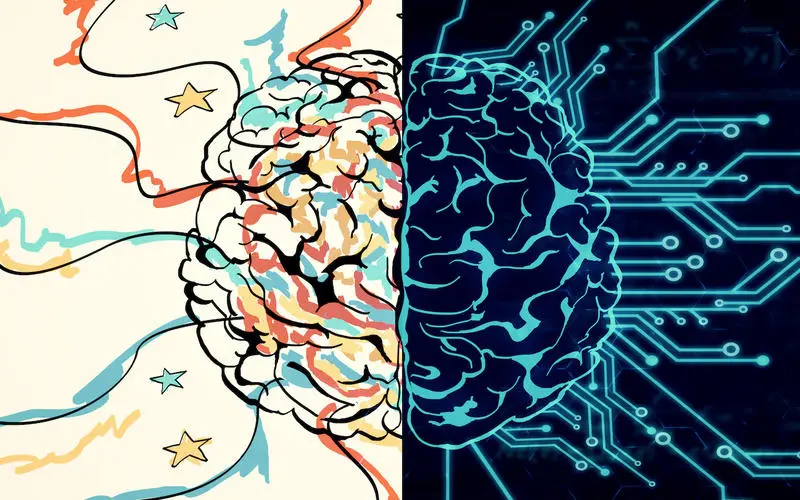
1. Adaptive AI: The Brain That Learns
Imagine a machine that doesn’t just follow orders but learns as it goes. That’s adaptive AI. It uses data to get smarter every day. For example, hospitals can spot health problems early, saving lives. Businesses can figure out what you like and make better stuff. META WORLD says by 2026, companies using this will zoom past others by 25%. But here’s the catch – we’ve got to keep it safe and fair. Privacy matters, right?

2. Digital Immune System: Your Cyber Shield
Ever worry about hackers? A digital immune system (DIS) is like a superhero for your devices. It uses AI to sniff out threats and stop them cold. Gartner predicts companies with DIS will cut downtime by 80% by 2025. American Airlines already uses it to stay strong. It’s like having a guard dog that never sleeps – pretty powerful, huh?

3. AI Trust, Risk, and Security Management (AI TRiSM)
AI is amazing, but it’s got risks. AI TRiSM is all about making sure it’s safe and trustworthy. Think of it as rules for AI to play nice. Radixweb says by 2026, businesses that nail this will see 50% better results. It’s a big deal for trust – from healthcare to banks, everyone’s watching this one.

4. Super App Development: One App, Endless Fun
What if one app did it all? Chat, shop, ride, eat – super apps like WeChat are taking over. Over 50% of people worldwide will use them soon, says Radixweb. It’s simple and smooth, cutting out app overload. Imagine the time you’d save! This trend’s got youth in India and the USA hooked already.

Picture a world where you train or design in virtual reality. That’s the industrial metaverse. It’s set to be worth $5 trillion by 2030. Workers can practice safely, and builders can see plans in 3D. It’s wild, and it’s changing how we work – one headset at a time.

6. Quantum Computing: Speed That Shocks
Quantum computing isn’t your average tech. It’s crazy fast, using “qubits” to solve big problems. Google and Amazon are all in, and the market’s hitting $1.7 billion by 2025. It could crack codes or find new drugs – the future’s wide open with this one.

7. Blockchain: Trust You Can Touch
Blockchain is like a digital lockbox – secure and clear. It’s perfect for money, health records, or votes. Gartner says it’ll be worth $3.1 trillion by 2030. It cuts scams and boosts trust. Healthcare’s jumping on it to keep data safe. Cool, right?

8. IoT and Hyperconnectivity: Everything Talks
The Internet of Things (IoT) connects your stuff – 50 billion devices by 2023! Hyperconnectivity ties it all together. Smart homes save energy, cities run smoother. It’s like the world’s chatting, and we’re all invited.

9. Web 3.0: The Internet Grows Up
Web 3.0 is the next big thing – decentralized, smart, and secure. Blockchain and AI power it, making the web ours again. It’s already raised $4.5 billion for new ideas. Think less control, more freedom – that’s the vibe for 2025.

10. Sustainable Technology: Green Wins Big
Green tech is hot! It cuts waste and saves the planet. Cloud tools and emissions trackers are in. Half of tech bosses are on board, says Radixweb. It’s not just nice – it’s smart business as costs climb.

11. Generative AI: Creativity Unleashed
Generative AI makes art, words, and tunes that feel human. It’s personalizing shopping and predicting trends. Businesses love it for fresh ideas. It’s like having a genius on speed dial – and it’s everywhere in 2025.

12. Phygital Convergence: Real Meets Digital
Phygital mixes the physical and digital worlds. Smart gadgets and AI create wild experiences. Shops use it to wow you, factories to speed up. It’s seamless and fun – a trend that’s sticking around.

13. Datafication: Numbers Tell All
Datafication turns life into stats. It digs deep, finding what customers want. Companies use it to sharpen their game. It’s like a crystal ball – but real, and it’s blowing up in 2025.

Bonus Trends We Love
Radixweb stopped at 13, but we’ve got more! Neuromorphic Computing mimics brains for fast, low-power AI – think instant health scans. Energy Tech pushes solar and wind as costs drop – green’s the future. Digital Twins let you test stuff virtually – no breakdowns, just wins. These are huge for youth and pros alike!
Why This Matters to You
So, why care? These trends aren’t just tech talk – they’re your future. Businesses using them will grow fast. Jobs will shift – think coding, AI, green tech. For young folks in India and the USA, this is your playground. Want to stay ahead? Dive in now.
At AMERICA NEWS WORLD (ANW), we’re all about keeping you in the know. Radixweb’s report is a goldmine, and we’ve got your back with the latest. Need more? Check out this external news link for extra juice on tech shifts.
Graphs and Data That Pop
Let’s make it visual! Here’s what Radixweb and others say:
- Adaptive AI Growth: Outpaces rivals by 25% by 2026.
- DIS Impact: 80% less downtime by 2025 (Gartner).
- Super Apps: 50% of the world hooked soon.
- Quantum Market: $1.7B by 2025.
- Blockchain Value: $3.1T by 2030.
Imagine a bar graph: Adaptive AI at 25%, DIS at 80%, Super Apps at 50%. It’s climbing fast! Highlight this – it’s your edge.
How Radixweb Fits In
Radixweb isn’t just talking – they’re doing. With 650+ experts and 5,500+ projects, they build this future. From healthcare to retail, they’ve got the chops. Their CTOs and COOs are asking: How do we win in 2025? This list is their answer – and yours.
Let’s Wrap It Up
Tech’s moving quick, and 2025’s a big year. Adaptive AI, blockchain, super apps – they’re not dreams, they’re here. Radixweb’s laid it out, and we’ve spiced it up for you at AMERICA NEWS WORLD. Want to ride this wave? Start now – learn, build, grow.
Got ideas? Hit us up at america112.com. We’re here for the youth, the dreamers, the doers – across India, the USA, Asia, Europe, Africa, Australia, everywhere. Tech’s magic, and you’re part of it. Let’s make 2025 epic!
Discover more from AMERICA NEWS WORLD
Subscribe to get the latest posts sent to your email.































**, we dive into why your electric bill is climbing and what can be done. ### Why Are Electricity Prices Rising? Electricity costs are soaring across the United States. According to the U.S. Energy Information Administration (EIA), household electricity prices are expected to jump 13% from 2022 to 2025. In some states, the increase is even steeper. For instance, Maine saw a 36.3% spike, while Connecticut faced an 18.4% rise between May 2024 and May 2025. Nationwide, the average household paid 17.47 cents per kilowatt-hour in May 2025, up from 16.41 cents a year earlier—a 6.5% increase. So, what’s driving these hikes? First, there’s a massive surge in electricity demand. More people are using air conditioners during hotter summers. Electric vehicles and heat pumps are also becoming popular. However, the biggest culprit is the rapid growth of AI-powered data centers. These facilities, run by tech giants like Amazon, Google, and Microsoft, use as much electricity as small cities. A single AI search, like one on ChatGPT, consumes 10 times more power than a regular Google search. Additionally, natural gas prices, a key fuel for power plants, have climbed. The aging US power grid also struggles to keep up. Many transmission lines and power plants date back to the post-World War II era. As a result, utilities are spending billions to upgrade infrastructure, and those costs are passed on to consumers. > **Data Highlight: Electricity Price Trends (2022-2025)** > Source: U.S. Energy Information Administration > - **2022**: 14.96 cents per kWh > - **2023**: 15.87 cents per kWh > - **2024**: 16.41 cents per kWh > - **2025 (May)**: 17.47 cents per kWh > *Note*: Some states like Maine (+36.3%) and Connecticut (+18.4%) saw sharper increases. ```chartjs { "type": "line", "data": { "labels": ["2022", "2023", "2024", "2025 (May)"], "datasets": [{ "label": "Average US Electricity Price (cents per kWh)", "data": [14.96, 15.87, 16.41, 17.47], "borderColor": "#007bff", "backgroundColor": "rgba(0, 123, 255, 0.2)", "fill": true }] }, "options": { "responsive": true, "maintainAspectRatio": false, "scales": { "y": { "beginAtZero": false, "title": { "display": true, "text": "Price (cents per kWh)" } }, "x": { "title": { "display": true, "text": "Year" } } } } } ``` ### The AI Power Problem The AI boom is transforming how we live, work, and search online. But it comes at a cost. Data centers that power AI tools are sprouting up fast. Between 2021 and 2024, the number of US data centers doubled. By 2030, they could consume 5% to 9% of the nation’s electricity, according to the Electric Power Research Institute. This is a big jump from just 4% in 2022. For example, PJM Interconnection, which serves 67 million people across 13 states, reported a massive spike in demand. In 2024, its capacity auction prices jumped 833%, with data centers driving nearly 70% of the increase. This led to higher bills for households in states like Pennsylvania, New Jersey, and Ohio. In Columbus, Ohio, typical electric bills rose by $27 a month in 2025. Moreover, AI tasks are energy hogs. Generating a single high-definition AI image uses as much power as charging a smartphone halfway. As more people use AI for work or fun, the strain on the grid grows. Tech companies are racing to build bigger data centers, but the power supply isn’t keeping up. This mismatch is pushing prices higher. > **Image**: An Amazon Web Services data center in Boardman, Oregon, August 2024. (Source: Jenny Kane/AP) > *Caption*: Data centers like this one are driving up electricity demand across the US. ### Other Factors Behind the Price Surge While AI is a major player, it’s not the only reason for rising bills. Natural gas prices have spiked, making it more expensive to generate electricity. Also, the US power grid is old and needs upgrades. The Department of Energy says 70% of transmission lines are nearing the end of their lifespan. Replacing them costs billions, and consumers foot the bill. Extreme weather is another issue. Heat waves and storms are more frequent, forcing utilities to repair or harden the grid. In California, utilities spent $27 billion from 2019 to 2023 on wildfire prevention and insurance. These costs trickle down to customers. Meanwhile, some states are phasing out coal plants, but new renewable energy projects face delays due to permitting issues. For more insights on how energy costs affect households, check out **[AMERICA NEWS WORLD (ANW)](https://america112.com/)** for the latest updates. ### Solutions to Ease the Burden Thankfully, there are ways to tackle rising electricity costs. First, experts suggest speeding up the permitting process for new power plants, especially solar and wind. The International Energy Agency (IEA) predicts that solar and wind could add 110 terawatt-hours of power for data centers by 2030. Streamlining permits could bring these projects online faster. Next, tech companies are stepping up. Google recently signed deals to reduce AI data center power use during peak grid times. Amazon is investing in small modular nuclear reactors to power its operations cleanly. These efforts could lower costs and emissions in the long run. Additionally, hardening the grid can help. In Florida, utilities are using concrete poles and advanced tech to make power lines hurricane-proof. In California, moving lines underground reduces wildfire risks. These upgrades cost money upfront but save on repairs later. Finally, power purchase agreements (PPAs) let data centers buy renewable energy directly. This reduces reliance on fossil fuels and keeps costs down for consumers. Co-locating data centers with solar or wind farms is another smart move. For more on clean energy solutions, visit **[AMERICA NEWS WORLD (ANW)](https://america112.com/)**. > **Data Highlight: Projected Data Center Power Demand** > Source: Electric Power Research Institute > - **2022**: 4% of US electricity consumption > - **2030 (Projected)**: 5% to 9% of US electricity consumption > - **Growth**: Data center energy use could double by 2030. ```chartjs { "type": "bar", "data": { "labels": ["2022", "2030 (Projected)"], "datasets": [{ "label": "Data Center Electricity Consumption (% of US Total)", "data": [4, 7], "backgroundColor": ["#28a745", "#dc3545"], "borderColor": ["#28a745", "#dc3545"], "borderWidth": 1 }] }, "options": { "responsive": true, "maintainAspectRatio": false, "scales": { "y": { "beginAtZero": true, "title": { "display": true, "text": "% of US Electricity" } }, "x": { "title": { "display": true, "text": "Year" } } } } } ``` ### What’s Next for Consumers? Electricity prices may keep rising if demand outpaces supply. The White House warns that AI data centers could push prices up 9-58% by 2030 without new investments. The US needs $1.4 trillion by 2030 to meet growing power needs, according to the White House Council of Economic Advisors. This includes building new power plants and transmission lines. However, not all hope is lost. Renewable energy is getting cheaper. Solar and wind projects are expanding, and nuclear power is making a comeback. For example, Microsoft is reviving Pennsylvania’s Three Mile Island nuclear plant to power its AI tools. These efforts could stabilize prices over time. Consumers can also take action. Using energy-efficient appliances, sealing home leaks, and switching to LED lights can lower bills. ### Global Impact and Local Action The AI-driven power surge isn’t just a US problem—it’s global. Data centers worldwide could consume 3-4% of global power by 2030, up from 1-2% today, according to Goldman Sachs. In Europe, countries like Ireland and Germany are seeing similar price hikes. In Asia, Malaysia’s data centers could account for one-fifth of power demand growth. Locally, communities near data centers face challenges. Noise, water use, and power outages are common complaints. Some states, like Pennsylvania, are pushing back. Governor Josh Shapiro has threatened to pull the state from PJM if costs don’t drop. For more on local energy issues, ### Looking Ahead The AI revolution is exciting, but it’s putting pressure on power grids and wallets. While tech companies and utilities work on solutions, consumers are stuck with higher bills. By investing in clean energy, upgrading grids, and managing demand, the US can balance innovation with affordability. Stay informed with **[AMERICA NEWS WORLD (ANW)](https://america112.com/)** for the latest energy news. For a deeper dive into how AI is reshaping the energy landscape, check out this [CBS News article](https://www.cbsnews.com/news/ai-data-centers-electricity-demand-power-grid-us/) on the growing strain on US power grids.](https://america112.com/wp-content/uploads/2025/08/1198006_3_0818-NPRICES-lines-lede.jpg_standard-1.jpg)






![Smoke rises after Israeli strikes in Beirut's southern suburbs, on March 2 [Mohamad Azakir/Reuters]](https://america112.com/wp-content/uploads/2026/03/hgh.webp)