By_shalini oraon

The Check-in Meltdown: When Air India’s “Third-Party System” Failed, and What It Reveals About Modern Air Travel
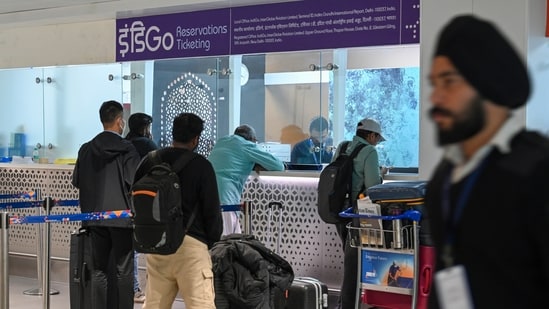
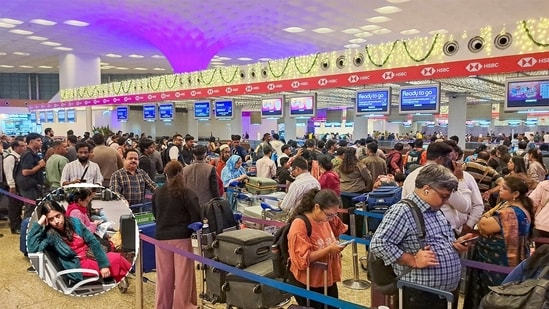
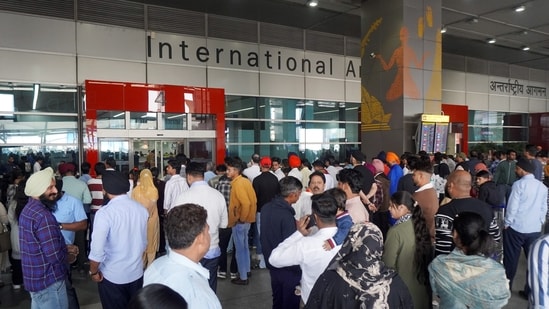
For thousands of Air India passengers across India and the globe, a routine travel day recently descended into a scene of palpable frustration. Long, snaking queues spilled out of terminal doors, harried staff juggled manual processes, and departure boards lit up with the dreaded “delayed” designation. The culprit? Not weather, not air traffic control, but a silent, digital failure: a critical collapse of the airline’s check-in and boarding systems. After hours of chaos, the national carrier issued a statement that has become a familiar refrain in the digital age: a “third-party system” was to blame, and it was now “fully restored.” But behind this brief corporate explanation lies a deeper story about the fragility of our interconnected aviation infrastructure, the passenger experience in the digital era, and the monumental challenge of modernizing an airline.
The Anatomy of a Digital Ground Stop
The incident, affecting several key airports including Delhi, Mumbai, and Bengaluru, functionally imposed a “digital ground stop.” The automated systems that handle core passenger processing—seat allocation, boarding pass generation, baggage tagging, and passenger manifest creation for security and immigration—went dark. Without this digital backbone, the process reverted to a pre-internet era. Agents resorted to manual check-in, a painstakingly slow process involving handwritten boarding passes, manual seat selection from printed manifests, and improvised baggage handling. The domino effect was immediate: flights missed their slots, crews went out of duty time, and aircraft rotations were thrown into disarray, causing delays that rippled through the network for hours after the system was revived.
Air India’s attribution of the fault to a “third-party system” is significant. Modern airlines, especially legacy carriers, are rarely monolithic IT entities. Their operational technology is a complex patchwork of proprietary systems, outsourced solutions, and licensed software from global specialists. The check-in ecosystem, in particular, often involves:
· Passenger Service Systems (PSS): The core software for reservations and inventory. Air India uses the Amadeus Altéa suite, a leading third-party PSS used by hundreds of airlines globally.
· Departure Control Systems (DCS): Handles the airport-facing check-in, boarding, and weight-and-balance functions, often integrated with the PSS.
· Baggage Reconciliation Systems, Boarding Gate Readers, and Kiosk Software: Frequently sourced from different vendors.
A failure in any one node—a server outage at the vendor’s data center, a corrupted software update, a network routing issue, or a cybersecurity incident—can sever the vital data link between the airline’s database and the airport frontline.
Beyond the Glitch: A Symptom of a Larger Transformation
While system outages occur across the aviation industry, this incident casts a spotlight on Air India’s unique position. The airline is in the throes of a $400 million “technology transformation” under the ownership of the Tata Group, aiming to retire its outdated legacy systems and integrate with the more modern digital infrastructure of its sister airlines, Vistara and Air India Express. This period of transition is inherently risky. The airline is likely operating in a hybrid state, where new and old systems must interact, often through complex interfaces with the very third-party providers in question.
The glitch, therefore, is more than an IT hiccup; it is a stress test of this migration. It raises critical questions: Was the outage related to integration testing? Does the current third-party architecture provide sufficient redundancy for an airline of Air India’s scale and ambition? How resilient are the fallback procedures? The event underscores the monumental difficulty of changing the engines mid-flight—quite literally—while maintaining seamless passenger service.
The Passenger Toll and the Trust Deficit
For passengers, the term “third-party system” is cold comfort. Their experience was one of heat, confusion, and potential financial loss—missed connections, important events, or hotel bookings. The social media outburst was immediate, with users posting videos of chaotic scenes, a stark contrast to the airline’s branding of a new, refreshed service ethos.
This erosion of trust is the most significant damage. In the competitive aviation market, reliability is a currency. Each such incident chips away at passenger loyalty, pushing frequent flyers toward competitors perceived as more operationally robust. It also highlights a powerlessness at the individual level; when invisible systems fail, the passenger has no recourse, no alternative, and is entirely at the mercy of the airline’s manual contingency plans, which often appear woefully inadequate for 21st-century volumes.
Lessons for the Networked Sky
The Air India episode is a case study with industry-wide implications:
1. The Paradox of Outsourcing: While third-party systems offer airlines world-class capabilities without the development cost, they also create a central point of failure. An outage at a major PSS provider can, in theory, impact dozens of airlines simultaneously. Airlines must invest in robust, regularly tested Business Continuity Plans (BCPs) that go beyond paper exercises to actionable, staff-trained manual processes.
2. Transparency as a Service: Communication during a crisis is paramount. Airlines need to move beyond vague statements to providing real-time, actionable information to passengers via all channels—apps, SMS, and airport announcements—acknowledging the severity and outlining next steps.
3. Investment in Redundancy: The cost of system redundancy must be weighed against the colossal cost of operational disruption and reputational harm. This includes backup data links, failover servers, and even the maintenance of parallel manual check-in stations.
4. The Human Factor: The incident was a reminder that despite automation, the frontline staff are the ultimate shock absorbers. Their training, empowerment, and support during such crises define the passenger experience.
Restoration is Just the Beginning
The declaration that the system is “fully restored” marks the end of the technical failure but the beginning of the longer recovery. Air India must now manage the cascade of disruptions, comply with regulations on compensation for affected passengers (under Indian DGCA rules and EU261 for relevant flights), and, most crucially, conduct a forensic post-mortem.
This analysis must look beyond the “what” of the third-party failure to the “why.” Was it a capacity issue, a software bug, a network vulnerability, or a integration flaw? The findings must directly inform the ongoing transformation project, ensuring that the future, integrated technology stack is not just modern, but also resilient, redundant, and passenger-centric.
In conclusion, the check-in glitch at Air India was more than a bad day at the airport. It was a stark revelation of the tightrope walked by modern airlines, balanced between legacy systems and a digital future, between outsourced efficiency and operational control. For passengers, it was a reminder that their journey depends on a fragile chain of ones and zeroes. For Air India, as it aspires to become a world-class carrier, the incident is a critical lesson: a true transformation is not just about installing new software, but about building an organization—and partner ecosystem—robust enough to support it when, inevitably, something in the system fails. The path to becoming a global aviation leader is paved with more than just new aircraft and uniforms; it requires an unshakeable digital foundation.
Discover more from AMERICA NEWS WORLD
Subscribe to get the latest posts sent to your email.