By America News World | March 10, 2026
The dust of war rarely settles quietly in the Middle East, and Iran is no exception. Just over a week after Ayatollah Ali Khamenei was killed in a joint US-Israeli military strike, the country Iran’s New Supreme Leader May Have Been Wounded in the Ramadan Warave been wounded in the very war his father was killed in.

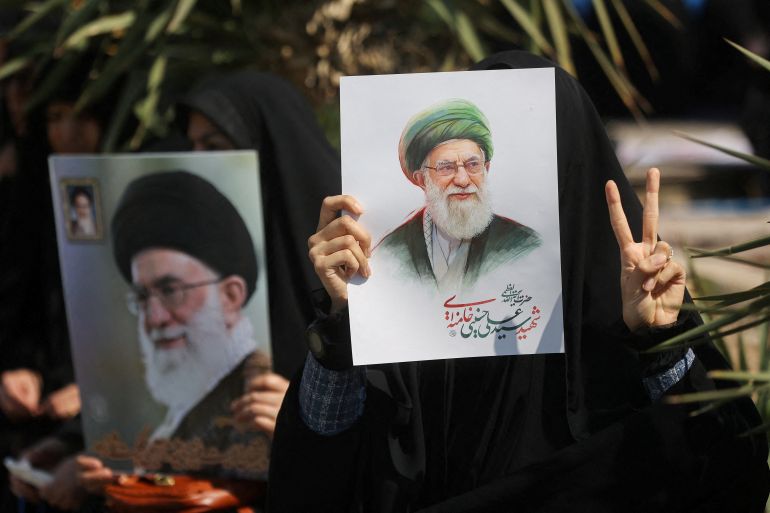
People hold placards with images of Iran’s new supreme leader Mojtaba Khamenei during a gathering to support him, amid the US-Israeli conflict with Iran, in Tehran, Iran. (Image: West Asia News Agency via Reuters)
A Title That Tells a Story
It was Iran’s own state television that first dropped the hint. Broadcasters referred to Mojtaba Khamenei as the “Jaanbaz of Ramadan” — a Persian term that translates to “injured war veteran.” In Iran’s political and military culture, the word Jaanbaz carries deep meaning. It is not tossed around carelessly.
Historically, it has been used to describe fighters who suffered serious physical wounds in battle, particularly those who served during the brutal Iran-Iraq War of the 1980s. Using that term in connection with the newly appointed Supreme Leader, during a conflict that Iran itself calls the Ramadan War, is not a minor editorial slip. It is a signal.
Missing from the Public Eye
Since his appointment, Mojtaba Khamenei has not made a single public appearance. He has delivered no address, held no press conference, and offered no public statement to the Iranian people he now leads. For a man who has just assumed one of the most powerful religious and political positions in the Islamic world, that silence is loud. Supporters have gathered in Tehran holding placards with his image, pledging their loyalty, but Mojtaba himself has been nowhere to be seen.
In most political transitions — even in authoritarian systems — new leaders make at least some symbolic effort to show their face to the public. It reassures both allies and enemies that power has transferred smoothly. Mojtaba’s continued absence breaks that pattern entirely, lending credibility to the theory that he is not simply being cautious or strategic. He may be physically unable to appear.
The Ramadan War and Its Toll
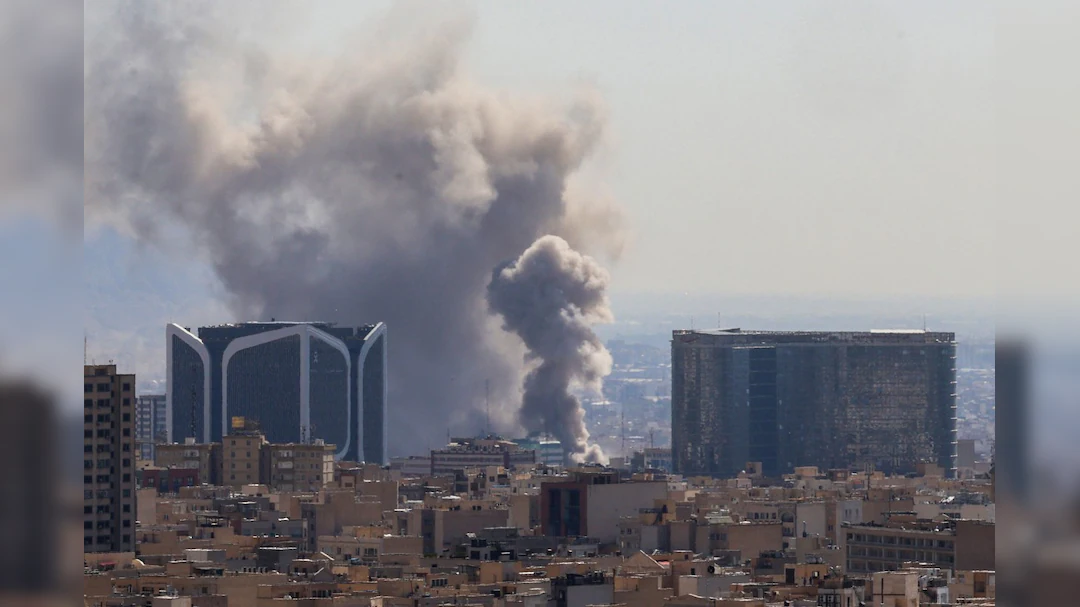
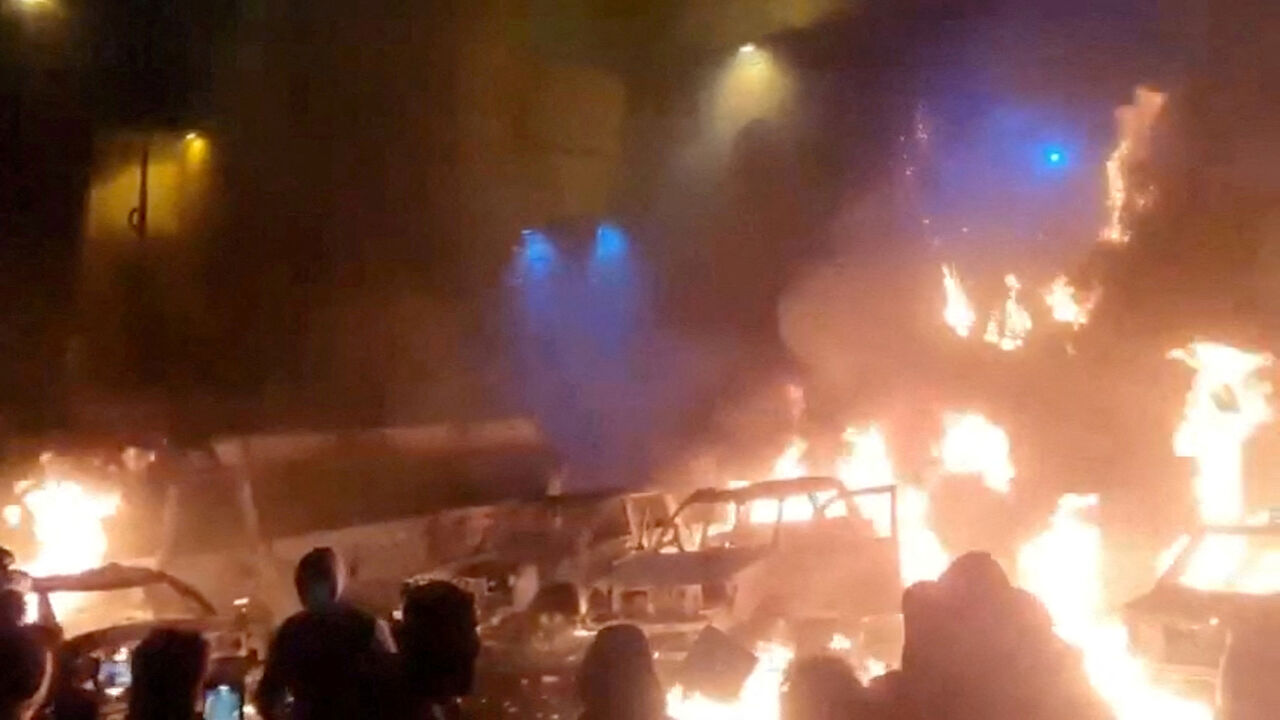
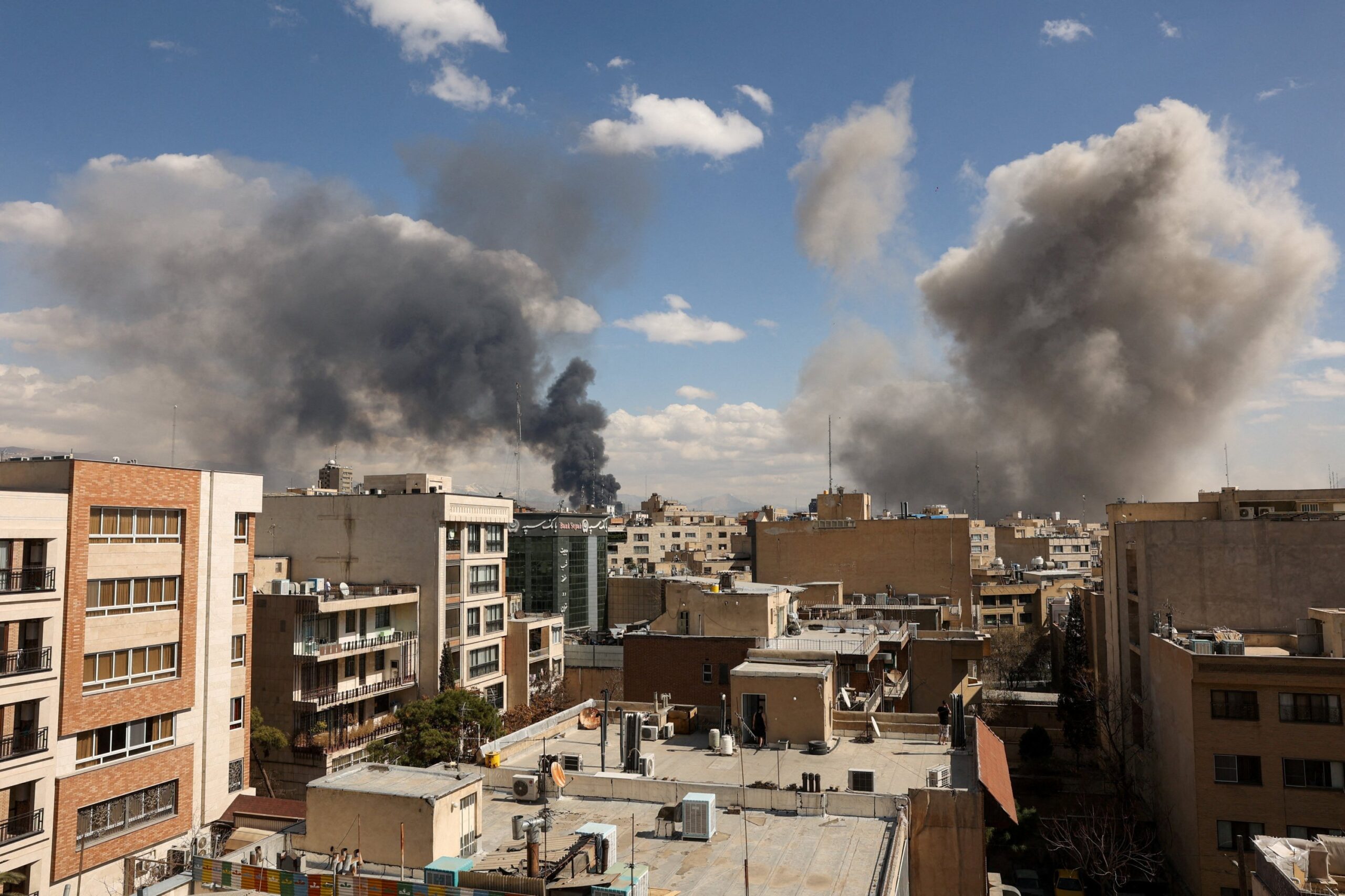
The conflict that Iran is calling the Ramadan War has been devastating on multiple fronts. The US-Israeli strikes that killed Ayatollah Ali Khamenei were part of a broader escalation that has shaken the foundations of the Islamic Republic. Military leadership, infrastructure, and senior officials have all been targeted. In that context, it would not be surprising if members of the Khamenei family, including Mojtaba himself, were caught in the crossfire.
Mojtaba Khamenei has long been regarded as a powerful figure operating largely in the shadows. Unlike his father, who was a constant public presence delivering speeches and setting national policy, Mojtaba built his influence through quieter channels — particularly through the Islamic Revolutionary Guard Corps (IRGC) and various religious networks. He is considered ideologically hard-line, deeply embedded in the security apparatus, and distrustful of foreign powers.
His background makes him both a natural successor to his father and a high-value target for adversaries.
What Iran Has — and Has Not — Said
The Iranian government has not confirmed any injury. Officials have not addressed the Jaanbaz reference directly, nor have they explained why the new Supreme Leader has remained out of public view. State media’s use of the term, however, has not gone unnoticed by analysts and observers watching the situation closely.
Governments often manage sensitive information about the health of top leaders carefully, especially during wartime. Showing vulnerability can invite further attacks and embolden opponents. Iran’s leadership has every reason to be cautious about what it reveals regarding Mojtaba’s condition. But managing the narrative becomes harder when your own state broadcaster drops a word as loaded as Jaanbaz in a live broadcast.
A Leadership Crisis at the Worst Possible Moment
Iran is navigating one of the most turbulent periods in its modern history. The death of Ali Khamenei, who had led the country since 1989, left an enormous leadership gap at a moment of active military conflict. Installing Mojtaba was a rapid response, but a wounded and invisible Supreme Leader is far from the image of strength the regime needs to project right now.
The coming days and weeks will be telling. If Mojtaba Khamenei continues to stay out of public view, pressure will mount on Iranian authorities to explain why. The Jaanbaz reference, whether intentional or accidental, has already opened a door that will be difficult to close. The world is watching — and waiting.
America News World covers breaking international news and geopolitical developments from across the globe.
Discover more from AMERICA NEWS WORLD
Subscribe to get the latest posts sent to your email.

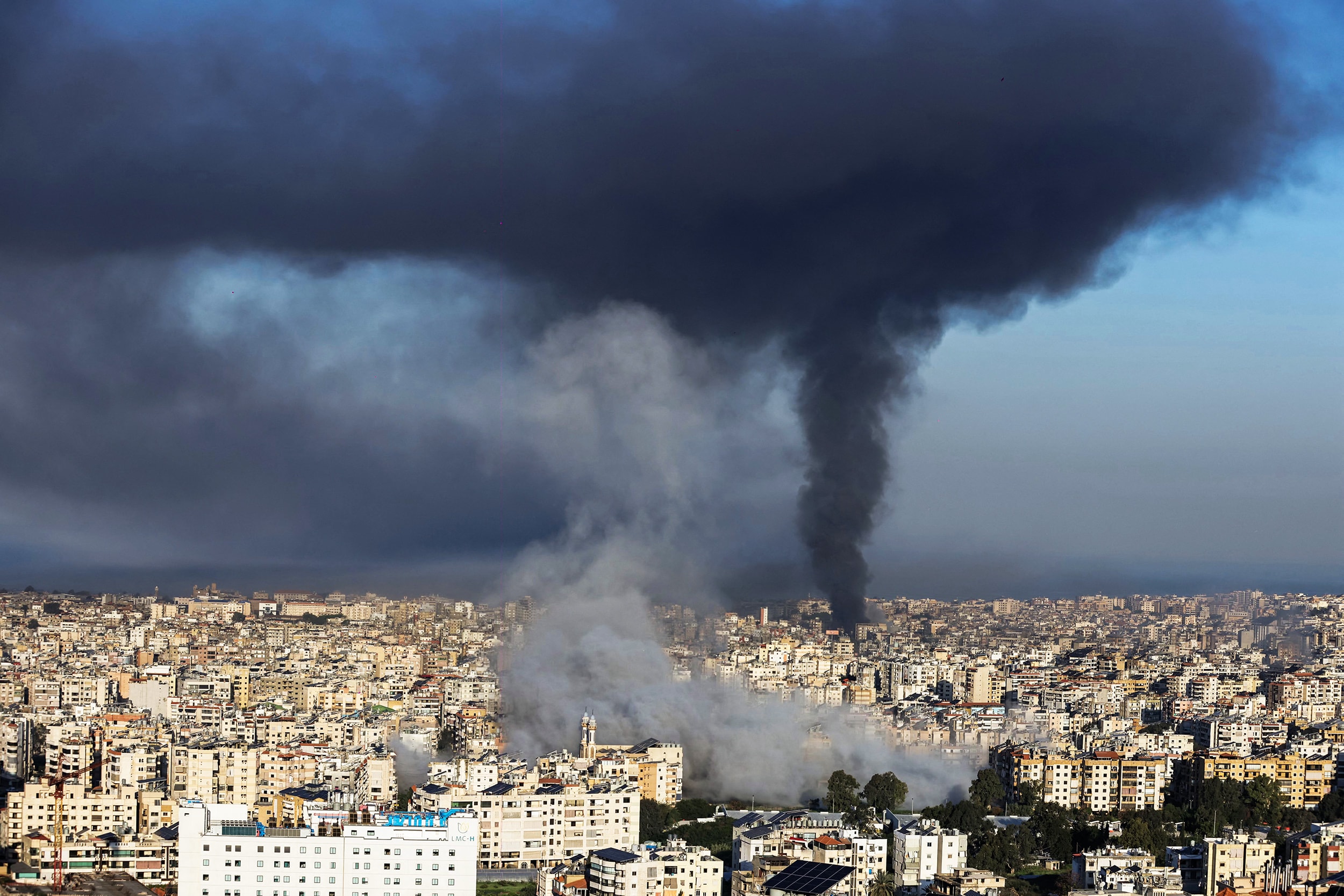
![Smoke rises after Israeli strikes in Beirut's southern suburbs, on March 2 [Mohamad Azakir/Reuters]](https://america112.com/wp-content/uploads/2026/03/hgh.webp)