By America News World desk
October 2, 2025
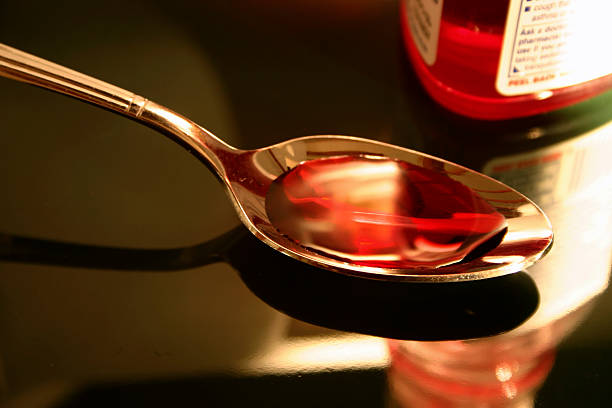
In a shocking development that has sent ripples through India’s healthcare system, two young children have died in Rajasthan after consuming a generic cough syrup distributed by government health centers. The incident, which has prompted a swift ban on 22 batches of the drug and an ongoing investigation, highlights ongoing concerns about the quality control of pharmaceuticals in the region. Adding to the horror, a senior doctor collapsed unconscious after ingesting the syrup in a desperate attempt to reassure worried parents of its safety.

The deaths occurred in Sikar and Bharatpur districts, where the syrup was prescribed at community health centers. Authorities, led by Drug Controller Ajay Phatak, have collected samples from Sikar, Jhunjhunu, and Bharatpur for testing, with results expected within three days. Phatak emphasized that the syrup is not recommended for children under five years old, a guideline that appears to have been overlooked in these tragic cases.
The first victim was a five-year-old boy from Sikar district. According to Assistant Sub-Inspector Rohitashwa Kumar of Dadiya police station, the child was given the medication at Chirana community health center last Sunday. His condition deteriorated rapidly that night, and he passed away the following Monday morning en route to the hospital. The parents initially refused to file a complaint or consent to a post-mortem, but the child’s maternal grandfather stepped forward to lodge a formal report, demanding accountability.
A similar heartbreak unfolded in Bharatpur, where a two-year-old boy named Samrat succumbed after taking the same syrup prescribed at a local health center. His grandmother, Nehni Jatav, recounted the devastating sequence of events: “Three of my grandchildren took the syrup. Two eventually woke up after vomiting, but Samrat never regained consciousness.” The family later connected the dots to the medicine, fueling outrage over the distribution of potentially toxic drugs through public health channels.
Compounding the crisis, Dr. Tarachand Yogi, the in-charge of Bayana community health center, took matters into his own hands—or rather, his mouth—to prove the syrup’s safety. In front of anxious parents, the senior doctor consumed a dose of the implicated medication. Eight hours later, he was found unconscious in a car, highlighting the syrup’s dangers in a dramatic and foolhardy manner. Officials quoted by PTI confirmed that an inquiry has been ordered into this incident, alongside the broader probe into the drug’s contamination.
This isn’t an isolated scandal. The Rajasthan cases echo a pattern of cough syrup-related tragedies in India. Just last month in Madhya Pradesh’s Chhindwara district, six children died from kidney failure linked to allegedly contaminated cough syrups. District Collector Sheelendra Singh banned the sale of two specific brands after tests revealed impurities. Nationally, the Food and Drug Administration (FDA) in Pune has ordered quality checks on cough syrups, signaling heightened scrutiny across the country.
India’s pharmaceutical industry, one of the world’s largest generic drug producers, has faced international backlash for substandard products. In 2022, contaminated cough syrups exported from India were blamed for the deaths of dozens of children in Gambia, Uzbekistan, and Indonesia, prompting the World Health Organization (WHO) to issue global alerts. Investigations revealed excessive levels of diethylene glycol, a toxic solvent used as a cheap substitute for propylene glycol in syrup formulations. This sweet-tasting but deadly chemical causes acute kidney failure, especially in vulnerable children.
In Rajasthan, the government-supplied syrup was intended for common ailments like coughs and colds, making its widespread distribution through public health centers particularly alarming. Phatak noted that complaints had surfaced about children falling ill post-consumption, prompting the drug inspector’s intervention. The ban on 22 batches aims to halt further distribution, but questions remain about how many more doses are in circulation and whether other regions are affected.
Health experts are calling for systemic reforms. “This tragedy underscores the urgent need for stringent quality assurance in generic drugs, especially those procured for government programs,” said Dr. Meera Sharma, a pediatrician based in Jaipur. She highlighted that under-resourced manufacturing units often cut corners to meet demand, bypassing rigorous testing. The Central Drugs Standard Control Organization (CDSCO) has been criticized for lax oversight, with calls for mandatory third-party audits and real-time pharmacovigilance.
For the affected families, the loss is irreplaceable. In Sikar, the community is grappling with grief and anger, with locals protesting outside the health center. “How can we trust the system that poisons our children?” asked one villager. In Bharatpur, Nehni Jatav’s family is seeking justice, vowing not to rest until those responsible are held accountable.
As test reports loom, Rajasthan authorities have assured the public of transparent investigations and potential legal action against manufacturers. The incident has broader implications for India’s $50 billion pharmaceutical sector, which supplies affordable drugs globally. For American audiences with ties to India—through diaspora communities or business interests—this serves as a stark reminder of supply chain vulnerabilities. The U.S. Food and Drug Administration (FDA) routinely imports Indian generics, and past recalls have raised flags about quality.
In response, Indian officials are ramping up inspections. Prime Minister Narendra Modi’s administration has prioritized “Make in India” initiatives, but pharmaceutical safety must take precedence. International partners, including the U.S., could play a role through collaborative monitoring to prevent exports of unsafe products.
This unfolding crisis in Rajasthan demands immediate action: enhanced testing protocols, accountability for prescribers, and compensation for victims’ families. Until then, parents worldwide are urged to scrutinize over-the-counter medications, especially for children. The lives lost in Sikar and Bharatpur are a tragic wake-up call—quality cannot be compromised when health is at stake.
Discover more from AMERICA NEWS WORLD
Subscribe to get the latest posts sent to your email.




















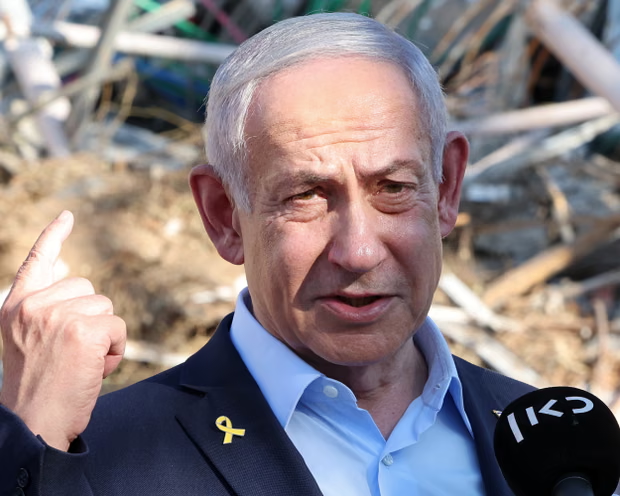
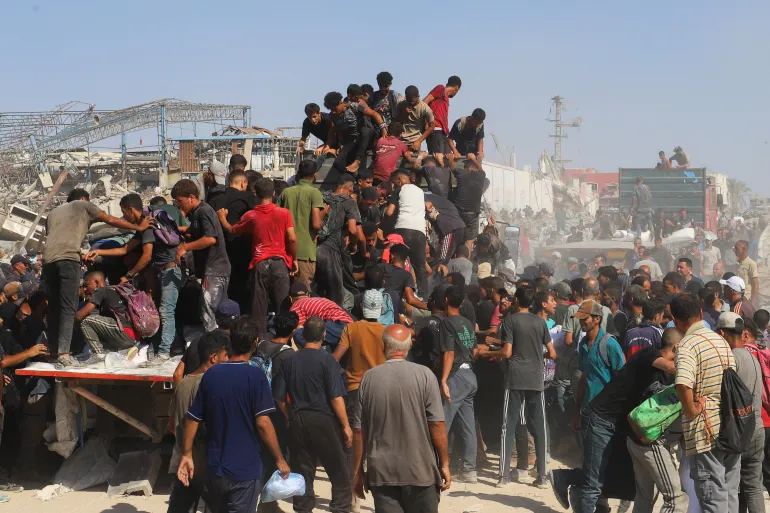
 Moreover, Germany’s move reflects growing global concern about the humanitarian crisis in Gaza. A UN-backed report has warned of famine in the region, and German air force planes have joined airdrops to deliver aid. Merz emphasized that Israel must do more to help Gaza’s civilians, saying, “The suffering there is unbearable.” ### Public and Political Reactions The decision has stirred mixed reactions. In Germany, 66% of people want their government to push Israel to change its actions in Gaza, according to a recent ARD poll. Vice Chancellor Lars Klingbeil called the move a “just decision.” However, Germany’s Central Council of Jews criticized it, calling it “disappointing” and urging more pressure on Hamas instead. The German-Israeli Society also slammed the decision, warning that if Israel stops arms deliveries to Germany, it could hurt German defense plans, like the $3.5-billion Arrow-3 missile shield deal. On the other hand, Israel’s Prime Minister Benjamin Netanyahu expressed disappointment, saying Germany’s move rewards Hamas. He argued that Israel is fighting a “just war” against a group responsible for the October 7, 2023, attack that started the conflict. ### What’s Next? Germany’s freeze on arms exports could inspire other countries to rethink their support for Israel’s Gaza operations. Meanwhile, Merz has called for ceasefire talks and the release of hostages as top priorities. He also warned Israel against annexing the West Bank, where 71 members of Israel’s parliament recently pushed for annexation. For now, Germany will continue to allow some arms exports to Israel, like missile defense systems, that aren’t used in Gaza. This shows Berlin is trying to balance its support for Israel with growing concerns about Gaza’s civilians. ### Data: Germany’s Arms Exports to Israel Here’s a look at Germany’s arms exports to Israel from 2020–2024, based on data from the Stockholm International Peace Research Institute: ```chartjs { "type": "bar", "data": { "labels": ["2015-2019", "2020-2024"], "datasets": [{ "label": "Percentage Share of Israel's Arms Imports", "data": [28, 30], "backgroundColor": ["#4CAF50", "#2196F3"], "borderColor": ["#388E3C", "#1976D2"], "borderWidth": 1 }] }, "options": { "scales": { "y": { "beginAtZero": true, "title": { "display": true, "text": "Percentage (%)" } }, "x": { "title": { "display": true, "text": "Time Period" } } }, "plugins": { "legend": { "display": true, "position": "top" }, "title": { "display": true, "text": "Germany's Share of Israel's Arms Imports" } } } } ``` This chart highlights Germany’s role as a major arms supplier to Israel, with a slight increase in its share from 2015–2019 to 2020–2024. The data underscores why this suspension is significant. ### Global Context The decision comes as other countries voice concerns about Israel’s plans. The United Kingdom’s Prime Minister Keir Starmer called the Gaza City takeover plan “wrong,” while the UN’s human rights chief warned it could lead to more suffering. Saudi Arabia and Egypt have also condemned Israel’s actions, with Egypt warning that Hamas may harm hostages if the plan moves forward. For readers seeking more insights, **AMERICA NEWS WORLD** (**[america112.com](https://america112.com/)**) covers global conflicts and their impacts in depth. Our team at **[america112.com](https://america112.com/)** is committed to bringing you clear, honest updates on stories like this. This news affects not just Germany and Israel but the global conversation about peace and humanitarian aid. If you’re in India or anywhere else, understanding these shifts can help you stay informed about international relations. Visit **AMERICA NEWS WORLD** for more stories that matter.](https://america112.com/wp-content/uploads/2025/08/AFP_693M463-1.jpg)

** for in-depth coverage. The public’s outrage is growing, with many demanding better training for medical staff and improved facilities. Dinesh Joshi asked a poignant question: “If a soldier faces court-martial for neglecting duty, why don’t doctors face similar consequences?” His words resonate with parents everywhere who fear losing their children to systemic failures. For more stories on healthcare and social issues, check out **[AMERICA NEWS WORLD](https://america112.com/)**. We’re committed to bringing you the truth, no matter where it happens. Stay informed and join the conversation about fixing these critical issues.](https://america112.com/wp-content/uploads/2025/08/s8n2rvq8_uttarakhand-1yearold-dies-due-to-medical-negligence-_625x300_01_August_25-1.webp)