
The ride sharing world is booming in 2025, and it’s easy to see why. People want fast, safe, and cheap ways to get around. With so many apps out there, picking the right one can feel tough. Don’t worry—I’ve done the hard work for you. After digging deep into research, I’ve rounded up the top 7 ride sharing apps for 2025. Whether you need a quick ride to class or a long trip across town, this list has you covered. Let’s jump in and explore what makes these apps shine.
What’s a Ride Sharing App Anyway?
A ride sharing app connects you with drivers using their own cars. You tap your phone, and boom—a ride shows up. It’s that simple. These apps have changed how we move, offering a handy alternative to buses or taxis. Plus, they’re often cheaper and faster. At AMERICA NEWS WORLD (ANW), we love keeping you updated on trends like this that make life easier.
Why use them? They save time, cut costs, and skip parking headaches. More people are jumping on board every day. In fact, the ride sharing market could hit $215.70 billion by 2028. That’s huge! Now, let’s see how these apps work.
How Do Ride Sharing Apps Work?
The process is straightforward. First, you open the app and request a ride. Next, it matches you with a nearby driver. Then, the driver decides to take the job or not. Once they’re on the way, you can track them live. After they pick you up, you pay through the app and rate the ride. Easy, right? This smooth system is why millions love ride sharing.
Transitioning to the good stuff—here’s a quick peek at the best apps before we dive deeper.
Quick Look at the Top 7 Ride Sharing Apps
| Rank | App Name | Standout Features |
|---|---|---|
| 1 | Uber | Cashless pay, multiple ride types |
| 2 | Lyft | Scheduled rides, carpooling |
| 3 | Ola | Women-friendly options, entertainment |
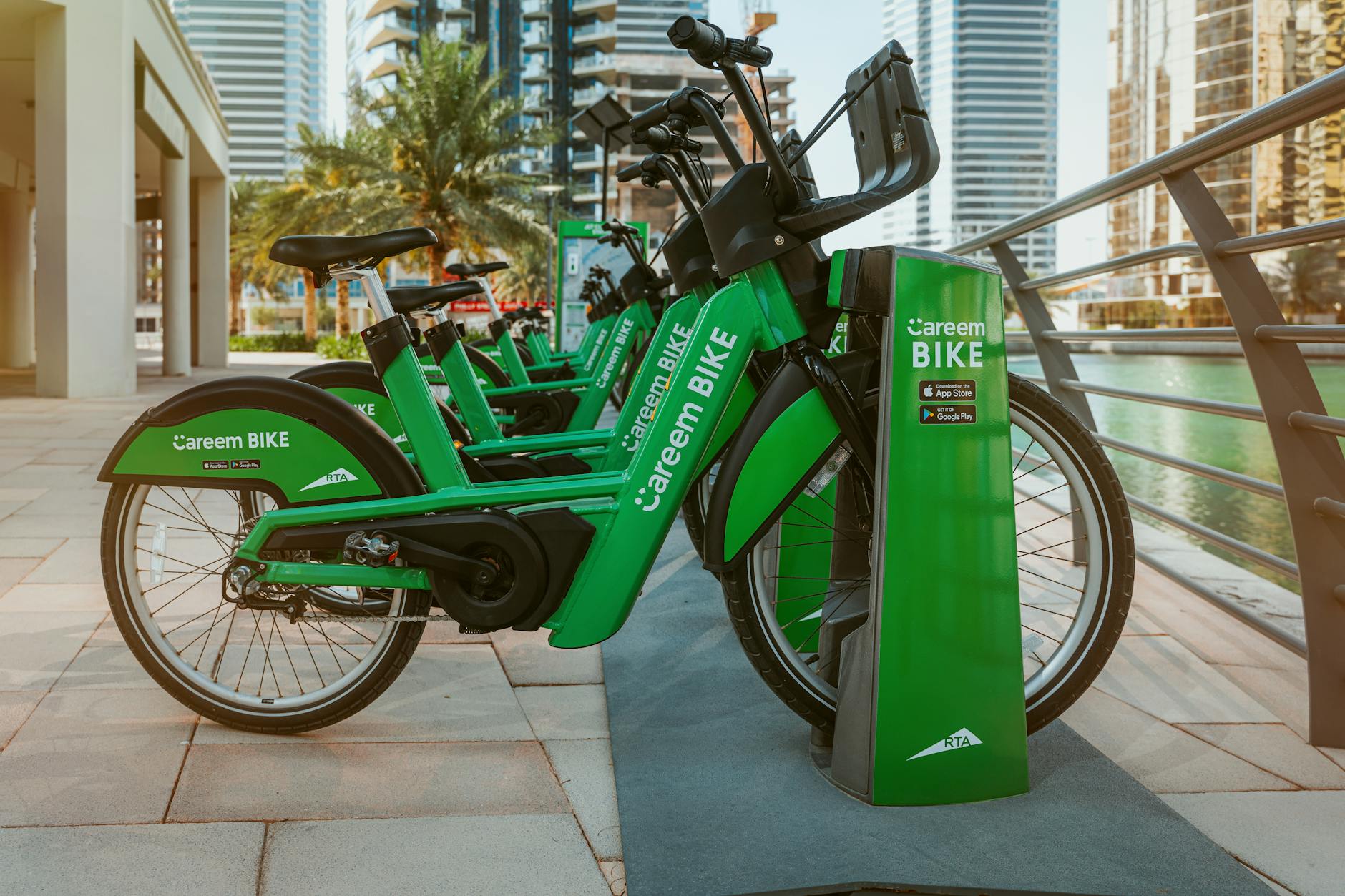
| 4 | Careem | Safety button, pre-scheduled rides |
| 5 | Curb | Pair and pay, wheelchair-friendly |
| 6 | GoJek | Chat feature, multi-stop rides |
| 7 | BlaBlaCar | Long-distance trips, verified drivers |
Now, let’s break down each one so you can pick your favorite.
1. Uber: The Global Giant

Uber leads the pack with 156 million users in 2025. It’s in 70 countries, offering rides, food delivery, and more. You can book a ride, track it live, and pay without cash. It even lets you split fares with friends. Pretty cool, huh?
- Platforms: Android, iOS
- Ratings: 4.7 (Google Play), 4.9 (App Store)
- Website: uber.com
Pros: It’s safe, fast, and everywhere.
Cons: Prices jump during busy times, and some drivers cancel.
Uber’s SOS button and driver ratings make it a top pick for safety. However, it’s not in every city yet.
2. Lyft: The Friendly Rival

Lyft is big in the USA and Canada. It’s Uber’s main competitor, focusing on happy customers. You can schedule rides or share them to save cash. It’s perfect if you like a personal touch.
- Platforms: Android, iOS
- Ratings: 3.9 (Google Play), 4.9 (App Store)
- Website: lyft.com
Pros: Friendly drivers, cost-sharing options.
Cons: Only in certain areas, some safety concerns.
Lyft’s Women+ Connect feature helps female riders feel secure. Still, it’s not global like Uber.
3. Ola: India’s Star

Ola serves 250+ cities in India, Australia, and beyond. It offers rides for women and families, plus in-car entertainment. You can book multiple stops too.
- Platforms: Android, iOS
- Ratings: 3.9 (Google Play), 4.6 (App Store)
- Website: ola.com
Pros: Affordable, lots of vehicle choices.
Cons: Spotty customer support, a few rude drivers.
Ola’s free Wi-Fi and no-rush-hour price hikes are awesome perks.
4. Careem: Middle East Magic

Careem, owned by Uber, works in 12 countries across the Middle East and Africa. It has a safety button and rewards for loyal users. You can even message your driver in the app.
- Platforms: Android, iOS
- Ratings: 4.3 (Google Play), 4.6 (App Store)
- Website: careem.com
Pros: Secure login, real-time tracking.
Cons: Wallet issues, weak support.
Careem’s business profile is great for work trips.
5. Curb: Taxi Meets Tech

Curb brings taxis into the modern age. With 100,000 drivers, it’s big in cities like New York and Chicago. You can book now or later, and it’s wheelchair-friendly.
- Platforms: Android, iOS
- Ratings: 2.9 (Google Play), 4.8 (App Store)
- Website: curb.com
Pros: No surge pricing, easy referrals.
Cons: Slow syncing, price glitches.
Curb’s TaxiTV keeps you entertained on the go.
6. GoJek: Southeast Asia’s Super App

GoJek does more than rides—it’s a one-stop shop in Southeast Asia. You can chat with drivers, add stops, and pay any way you like.
- Platforms: Android, iOS
- Ratings: 4.4 (Google Play), 4.4 (App Store)
- Website: gojek.com
Pros: Safe rides, multi-service options.
Cons: App freezes, poor support.
GoJek’s “Safe Trip Kit” adds extra peace of mind.
7. BlaBlaCar: Long-Distance Champ

BlaBlaCar is all about affordable carpooling for long trips. It’s in 21 countries with 26 million users. You can pick pet-friendly rides or women-only options.
- Platforms: Android, iOS
- Ratings: 4.2 (Google Play), 4.7 (App Store)
- Website: blablacar.com
Pros: Cheap, social, eco-friendly.
Cons: Tricky meetups, limited reach.
It’s perfect for budget travelers who love a chat.
Where Are These Apps Popular?
| Region | Top Apps |
|---|---|
| USA | Uber, Lyft |
| India | Uber, Ola |
| Middle East | Careem, Uber |
| Europe | Uber, BlaBlaCar |
| Southeast Asia | Grab, GoJek, Uber |
Each area has its favorites, so check what’s big near you.
Which App Is the Cheapest?
It depends. Uber might be cheap one day, but prices shift with demand. BlaBlaCar’s carpooling often wins for long trips. My tip? Compare two apps before you book. You’ll snag the best deal that way.
Which App Is the Best?
Uber takes the crown. It’s in 10,000+ cities, safe, and reliable. No wonder it’s a global favorite. But the “best” depends on what you need—speed, cost, or comfort. Test a few and see what clicks.
Fancy Building Your Own App?
Dreaming of your own ride sharing empire? It’s doable! Here’s how:
- Plan It Out: Pick your audience and goals. Build a team—developers, designers, marketers.
- Build It: Add must-have features like tracking and payments. Test it hard.
- Launch It: Spread the word and fix bugs fast.
Feeling overwhelmed? Check out DriveMond at AMERICA NEWS WORLD (ANW). It’s a ready-made solution to kickstart your app.
The Numbers Don’t Lie
Here’s a graph to show the ride sharing market’s growth:
| Year | Market Size (USD) |
|---|---|
| 2023 | $141.50 billion |
| 2025 | $178.20 billion |
| 2028 | $215.70 billion |
Source: Statista
That’s a big jump! Ride sharing is here to stay.
Final Thoughts
Ride sharing apps are changing the game in 2025. Uber, Lyft, and others make life simpler, greener, and cheaper. Each app has its strengths, so pick one that fits your vibe. Want more tips like this? Swing by AMERICA NEWS WORLD (ANW) for the latest scoop.
The road ahead looks bright—literally. These apps are solving problems and opening doors for new ideas. Maybe you’ll even start the next big thing. Until then, ride smart and enjoy the journey!
FAQs
1. What’s the best app for long trips?
Uber and Lyft work well. Uber has no mileage cap, while Lyft limits you to 100 miles.
2. Which app is safest?
Uber stands out with its safety tools like the SOS button.
3. Are ride shares safe?
Yes, millions ride daily without issues. Bad experiences are rare.
4. Why use ride sharing?
It’s cheap, quick, and beats waiting for a bus.
Discover the 7 best ride sharing apps of 2025—Uber, Lyft, and more. Save time, money, and hassle with our top picks! (134 characters)
Discover more from AMERICA NEWS WORLD
Subscribe to get the latest posts sent to your email.































**, we dive into why your electric bill is climbing and what can be done. ### Why Are Electricity Prices Rising? Electricity costs are soaring across the United States. According to the U.S. Energy Information Administration (EIA), household electricity prices are expected to jump 13% from 2022 to 2025. In some states, the increase is even steeper. For instance, Maine saw a 36.3% spike, while Connecticut faced an 18.4% rise between May 2024 and May 2025. Nationwide, the average household paid 17.47 cents per kilowatt-hour in May 2025, up from 16.41 cents a year earlier—a 6.5% increase. So, what’s driving these hikes? First, there’s a massive surge in electricity demand. More people are using air conditioners during hotter summers. Electric vehicles and heat pumps are also becoming popular. However, the biggest culprit is the rapid growth of AI-powered data centers. These facilities, run by tech giants like Amazon, Google, and Microsoft, use as much electricity as small cities. A single AI search, like one on ChatGPT, consumes 10 times more power than a regular Google search. Additionally, natural gas prices, a key fuel for power plants, have climbed. The aging US power grid also struggles to keep up. Many transmission lines and power plants date back to the post-World War II era. As a result, utilities are spending billions to upgrade infrastructure, and those costs are passed on to consumers. > **Data Highlight: Electricity Price Trends (2022-2025)** > Source: U.S. Energy Information Administration > - **2022**: 14.96 cents per kWh > - **2023**: 15.87 cents per kWh > - **2024**: 16.41 cents per kWh > - **2025 (May)**: 17.47 cents per kWh > *Note*: Some states like Maine (+36.3%) and Connecticut (+18.4%) saw sharper increases. ```chartjs { "type": "line", "data": { "labels": ["2022", "2023", "2024", "2025 (May)"], "datasets": [{ "label": "Average US Electricity Price (cents per kWh)", "data": [14.96, 15.87, 16.41, 17.47], "borderColor": "#007bff", "backgroundColor": "rgba(0, 123, 255, 0.2)", "fill": true }] }, "options": { "responsive": true, "maintainAspectRatio": false, "scales": { "y": { "beginAtZero": false, "title": { "display": true, "text": "Price (cents per kWh)" } }, "x": { "title": { "display": true, "text": "Year" } } } } } ``` ### The AI Power Problem The AI boom is transforming how we live, work, and search online. But it comes at a cost. Data centers that power AI tools are sprouting up fast. Between 2021 and 2024, the number of US data centers doubled. By 2030, they could consume 5% to 9% of the nation’s electricity, according to the Electric Power Research Institute. This is a big jump from just 4% in 2022. For example, PJM Interconnection, which serves 67 million people across 13 states, reported a massive spike in demand. In 2024, its capacity auction prices jumped 833%, with data centers driving nearly 70% of the increase. This led to higher bills for households in states like Pennsylvania, New Jersey, and Ohio. In Columbus, Ohio, typical electric bills rose by $27 a month in 2025. Moreover, AI tasks are energy hogs. Generating a single high-definition AI image uses as much power as charging a smartphone halfway. As more people use AI for work or fun, the strain on the grid grows. Tech companies are racing to build bigger data centers, but the power supply isn’t keeping up. This mismatch is pushing prices higher. > **Image**: An Amazon Web Services data center in Boardman, Oregon, August 2024. (Source: Jenny Kane/AP) > *Caption*: Data centers like this one are driving up electricity demand across the US. ### Other Factors Behind the Price Surge While AI is a major player, it’s not the only reason for rising bills. Natural gas prices have spiked, making it more expensive to generate electricity. Also, the US power grid is old and needs upgrades. The Department of Energy says 70% of transmission lines are nearing the end of their lifespan. Replacing them costs billions, and consumers foot the bill. Extreme weather is another issue. Heat waves and storms are more frequent, forcing utilities to repair or harden the grid. In California, utilities spent $27 billion from 2019 to 2023 on wildfire prevention and insurance. These costs trickle down to customers. Meanwhile, some states are phasing out coal plants, but new renewable energy projects face delays due to permitting issues. For more insights on how energy costs affect households, check out **[AMERICA NEWS WORLD (ANW)](https://america112.com/)** for the latest updates. ### Solutions to Ease the Burden Thankfully, there are ways to tackle rising electricity costs. First, experts suggest speeding up the permitting process for new power plants, especially solar and wind. The International Energy Agency (IEA) predicts that solar and wind could add 110 terawatt-hours of power for data centers by 2030. Streamlining permits could bring these projects online faster. Next, tech companies are stepping up. Google recently signed deals to reduce AI data center power use during peak grid times. Amazon is investing in small modular nuclear reactors to power its operations cleanly. These efforts could lower costs and emissions in the long run. Additionally, hardening the grid can help. In Florida, utilities are using concrete poles and advanced tech to make power lines hurricane-proof. In California, moving lines underground reduces wildfire risks. These upgrades cost money upfront but save on repairs later. Finally, power purchase agreements (PPAs) let data centers buy renewable energy directly. This reduces reliance on fossil fuels and keeps costs down for consumers. Co-locating data centers with solar or wind farms is another smart move. For more on clean energy solutions, visit **[AMERICA NEWS WORLD (ANW)](https://america112.com/)**. > **Data Highlight: Projected Data Center Power Demand** > Source: Electric Power Research Institute > - **2022**: 4% of US electricity consumption > - **2030 (Projected)**: 5% to 9% of US electricity consumption > - **Growth**: Data center energy use could double by 2030. ```chartjs { "type": "bar", "data": { "labels": ["2022", "2030 (Projected)"], "datasets": [{ "label": "Data Center Electricity Consumption (% of US Total)", "data": [4, 7], "backgroundColor": ["#28a745", "#dc3545"], "borderColor": ["#28a745", "#dc3545"], "borderWidth": 1 }] }, "options": { "responsive": true, "maintainAspectRatio": false, "scales": { "y": { "beginAtZero": true, "title": { "display": true, "text": "% of US Electricity" } }, "x": { "title": { "display": true, "text": "Year" } } } } } ``` ### What’s Next for Consumers? Electricity prices may keep rising if demand outpaces supply. The White House warns that AI data centers could push prices up 9-58% by 2030 without new investments. The US needs $1.4 trillion by 2030 to meet growing power needs, according to the White House Council of Economic Advisors. This includes building new power plants and transmission lines. However, not all hope is lost. Renewable energy is getting cheaper. Solar and wind projects are expanding, and nuclear power is making a comeback. For example, Microsoft is reviving Pennsylvania’s Three Mile Island nuclear plant to power its AI tools. These efforts could stabilize prices over time. Consumers can also take action. Using energy-efficient appliances, sealing home leaks, and switching to LED lights can lower bills. ### Global Impact and Local Action The AI-driven power surge isn’t just a US problem—it’s global. Data centers worldwide could consume 3-4% of global power by 2030, up from 1-2% today, according to Goldman Sachs. In Europe, countries like Ireland and Germany are seeing similar price hikes. In Asia, Malaysia’s data centers could account for one-fifth of power demand growth. Locally, communities near data centers face challenges. Noise, water use, and power outages are common complaints. Some states, like Pennsylvania, are pushing back. Governor Josh Shapiro has threatened to pull the state from PJM if costs don’t drop. For more on local energy issues, ### Looking Ahead The AI revolution is exciting, but it’s putting pressure on power grids and wallets. While tech companies and utilities work on solutions, consumers are stuck with higher bills. By investing in clean energy, upgrading grids, and managing demand, the US can balance innovation with affordability. Stay informed with **[AMERICA NEWS WORLD (ANW)](https://america112.com/)** for the latest energy news. For a deeper dive into how AI is reshaping the energy landscape, check out this [CBS News article](https://www.cbsnews.com/news/ai-data-centers-electricity-demand-power-grid-us/) on the growing strain on US power grids.](https://america112.com/wp-content/uploads/2025/08/1198006_3_0818-NPRICES-lines-lede.jpg_standard-1.jpg)