
By_shalini oraon

An International Crisis at Sea: Indians Caught in U.S.-Venezuela Crossfire Over Seized Tanker
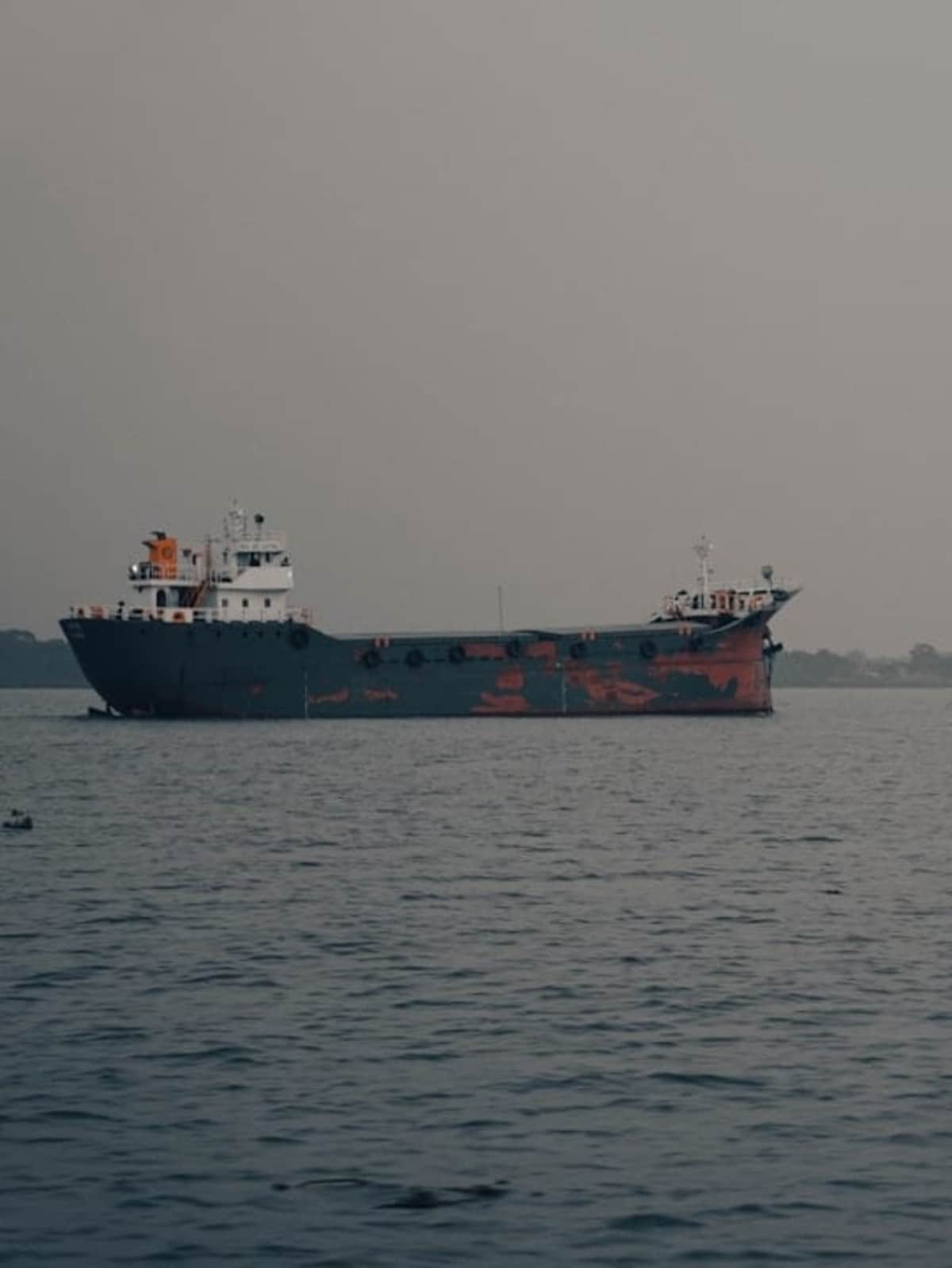
A Russian-flagged oil tanker, slicing through the waters of the Southern Caribbean, became the unlikely epicenter of a complex geopolitical storm this week. The vessel, reportedly carrying a cargo of Venezuelan crude oil, was seized by U.S. authorities, thrusting its 28-member crew into international limbo. Among them, according to reports confirmed by Indian diplomatic sources, are three Indian nationals—ordinary seafarers now entangled in a high-stakes contest between global powers. This incident is more than a maritime seizure; it is a stark vignette of how escalating sanctions, energy politics, and the clash of sovereignty can directly impact the lives of the world’s essential, yet often invisible, migrant workforce.
The Sanctions Web: Why the Tanker Was Taken
The seizure is a direct enforcement action under the sweeping U.S. sanctions regime against Venezuela. Since 2019, the United States has imposed severe restrictions aimed at crippling the oil revenue of President Nicolás Maduro’s government, which it views as illegitimate. These sanctions prohibit the sale, transport, and purchase of Venezuelan petroleum by U.S. entities and individuals, and increasingly, target third parties globally who facilitate such trade.
The tanker in question, whose name has been cited in maritime reports, was allegedly engaged in transporting Venezuelan crude in violation of these sanctions. U.S. authorities, operating under legal authorities that allow them to pursue sanctions-busting assets globally, moved to detain the ship. This action fits a pattern of U.S. efforts to enforce an effective maritime blockade on Venezuela’s oil exports, targeting a shadow fleet of often older, Russian-linked tankers that have stepped in to carry the cargo others will not.
The Human Element: The Crew in Legal and Diplomatic Limbo
For the 28 souls onboard, the legal and diplomatic clash has created a profound crisis. The crew—a mix of nationalities typical in the global shipping industry, now including Indians, Russians, and possibly others—did not charter the ship or decide its cargo. They are contract workers performing their jobs. Yet, they find themselves effectively detained, their vessel impounded, and their personal freedom and future employment in jeopardy.
The situation for the three Indian seafarers is particularly anxiety-inducing. They are caught in a multi-layered jurisdictional maze:
1. The Flag State: The vessel is Russian-flagged, placing it under the nominal jurisdiction of Russia, which has condemned the seizure as an illegal act of “state piracy.”
2. The Enforcing State: The United States, exercising its sanctions laws, controls the fate of the vessel and its cargo.
3. The Port State: Depending on where the ship is physically taken (reports suggest a U.S. allied territory in the region), local laws also apply.
4. The Seafarers’ State: India, through its embassies, must now engage in consular protection—advocating for the welfare, legal rights, and repatriation of its citizens.
Their status is precarious. Are they witnesses? Material to an investigation? Or simply stranded employees? International maritime law, particularly the Maritime Labour Convention (MLC), 2006, mandates the right of crew members to repatriation and sets clear responsibilities for shipowners regarding their welfare. However, in a sanctions scenario where the vessel’s owner or operator may itself be under indictment or financial blockade, these responsibilities often fall into a void, leaving seafarers abandoned—a phenomenon tragically common in recent years.
The Wider Ripple Effects: Geopolitics and Global Shipping
This single seizure sends tremors through several interconnected worlds:
· U.S.-Venezuela Relations: It represents a continued tightening of the screws on Maduro’s regime, aimed at forcing political concessions ahead of upcoming elections. It is a tangible demonstration that the U.S. is willing to intercept vessels far from its shores to enforce its policy.
· U.S.-Russia Tensions: The Russian flag on the tanker adds a volatile element. Moscow is a key ally of Caracas, providing political, economic, and military support. The seizure will be viewed in Moscow as a direct challenge and a U.S. overreach into maritime domains. It risks further inflaming an already toxic bilateral relationship.
· The Shadow Fleet Ecosystem: The global oil trade, under the pressure of sanctions on Iran, Venezuela, and Russia, has given rise to a vast “shadow fleet” of aging tankers operating with opaque ownership and insurance. This incident serves as a warning to operators, insurers, and crews within that ecosystem about the escalating risks.
· The Indian Diaspora and Diplomacy: For India, with its massive population of skilled seafarers powering global trade, this is a critical consular case. The Ministry of External Affairs has stated it is “in touch with relevant authorities” for the “welfare and early release” of its nationals. India must delicately navigate its relationship with the U.S., its strategic partner, while vigorously defending the rights of its citizens caught in a dispute they have no part in.
A Call for Humanitarian Corridors
The plight of the Indian crew members, and their fellow seafarers, highlights a growing humanitarian and legal crisis in international waters. Seafarers are not instruments of state policy. There is an urgent need for the international community, through bodies like the International Maritime Organization (IMO), to clarify protocols for the treatment of crew in sanctions enforcement actions. Clear “humanitarian corridors” must be established to ensure that regardless of a ship’s legal status, its crew can be repatriated safely, paid their due wages, and not punished for the commercial or political decisions of their employers.
As legal proceedings against the vessel and its owners slowly unfold, the immediate focus must remain on the 28 people onboard. Their story is a powerful reminder that behind the headlines of sanctions, counter-sanctions, and great-power rivalry, are individuals simply doing their jobs to support families thousands of miles away. The resolution of their ordeal will be a test not just of U.S. law or Russian resolve, but of the global community’s commitment to upholding the fundamental dignity and rights of the workers who keep the wheels of world trade turning, even in the stormiest of political seas.
Discover more from AMERICA NEWS WORLD
Subscribe to get the latest posts sent to your email.





















![Smoke rises after Israeli strikes in Beirut's southern suburbs, on March 2 [Mohamad Azakir/Reuters]](https://america112.com/wp-content/uploads/2026/03/hgh.webp)